How AI-Generated Books Are Slipping Into Bookstores and Bestseller Lists
The New York Times · July 28, 2026
Key takeaways
- AI-generated books are increasingly appearing on real bookstore shelves and platforms like Amazon, often without clear labeling.
- Automated publishing and ranking systems make it easy for AI content mills to outpace human authors in speed and search visibility.
- Readers should check for detailed reviews and verifiable author info before trusting a book, especially in self-help, travel, or how-to genres.
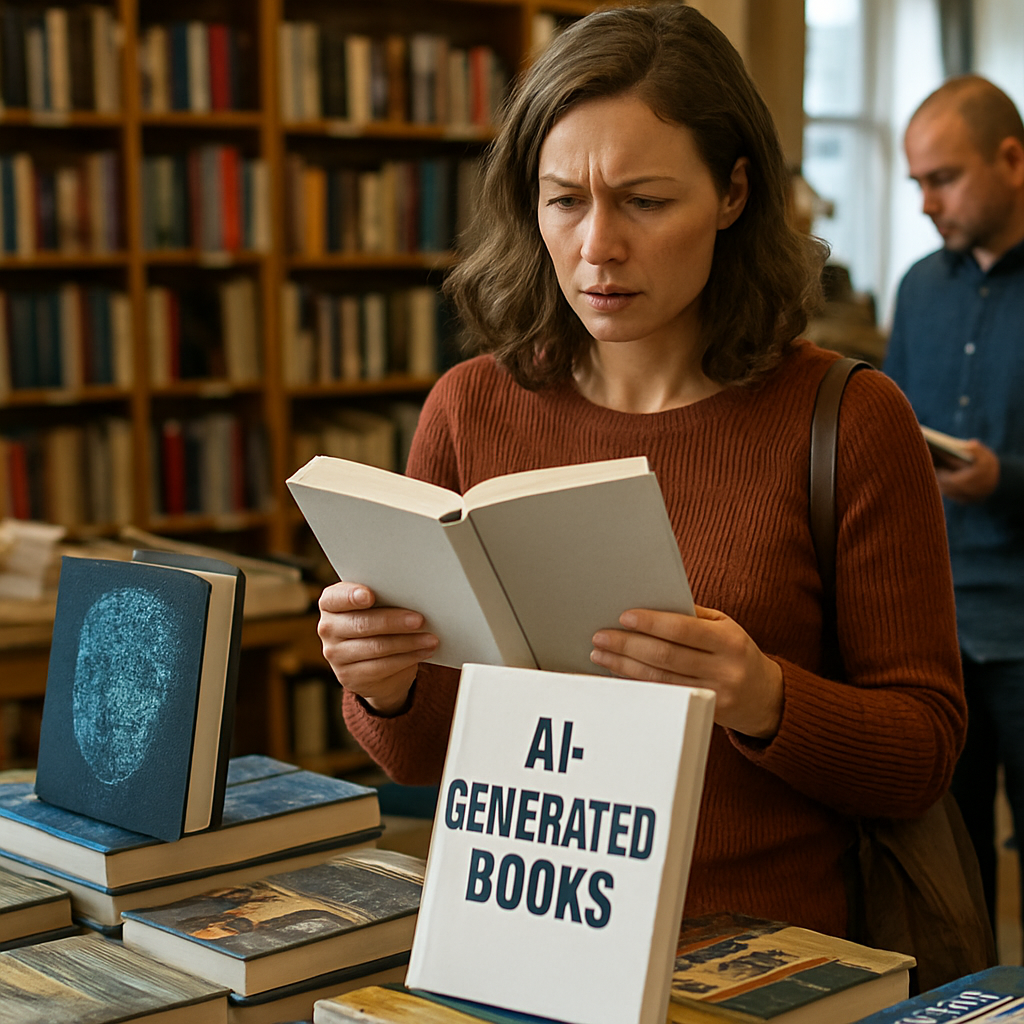
What's Happening A wave of AI-generated books is making its way onto real bookstore shelves and into online marketplaces like Amazon, often without clear disclosure that a human author didn't actually write them. According to a recent New York Times investigation, these titles are slipping past the usual gatekeeping systems — think algorithmically optimized covers, generic but search-friendly titles, and content churned out fast enough to flood niche categories before anyone notices.
How They're Getting Through Self-publishing platforms were built to lower barriers for real authors, but that same openness is now being exploited by AI content mills. These operations can generate dozens of books in the time it takes a traditional author to draft a single chapter. Some are dumped directly into Kindle's self-publishing pipeline; others get printed and distributed through smaller retailers that don't have the resources to vet every submission. Because platforms like Amazon rely heavily on automated review and ranking systems, a well-optimized AI book can climb category rankings before a human ever double-checks its origin.
Why Readers Are Getting Fooled The books often look convincing at a glance — polished covers, plausible author bios (sometimes AI-generated too), and blurbs that read like real endorsements. It's only once readers dig into the actual text that things fall apart: repetitive phrasing, shallow research, or factual errors that a real expert would never make. In genres like self-help, travel guides, and children's books, this is especially risky since readers are trusting the content for actual guidance.
The Bigger Industry Problem This isn't just an annoyance for readers — it's an existential issue for authors and publishers. Genuine writers are finding their book titles and even their names impersonated or overshadowed by AI competitors flooding the same categories. Publishing industry groups are now pushing for clearer AI-disclosure requirements and stronger moderation tools, but enforcement remains inconsistent, and the technology to generate these books keeps getting cheaper and faster.
What You Can Do Before buying, check for reviews that mention specific chapters or details (a sign a real reader engaged with the actual content), search the author's name for a verifiable background, and be skeptical of books with suspiciously generic titles stuffed with keywords. If something reads like it was written to rank rather than to inform or entertain, it probably was.
Why it matters
If you buy books based on bestseller rankings or search results, you could be paying for AI-generated content masquerading as expert or authentic work. This trend also threatens real authors' livelihoods and raises bigger questions about trust in what we read.
Want deals on what you love?
Val finds local offers matched to your interests — free to start.
Meet Val