AI Music Explained: Can You Legally Remix Madonna With AI?
The New York Times · July 24, 2026
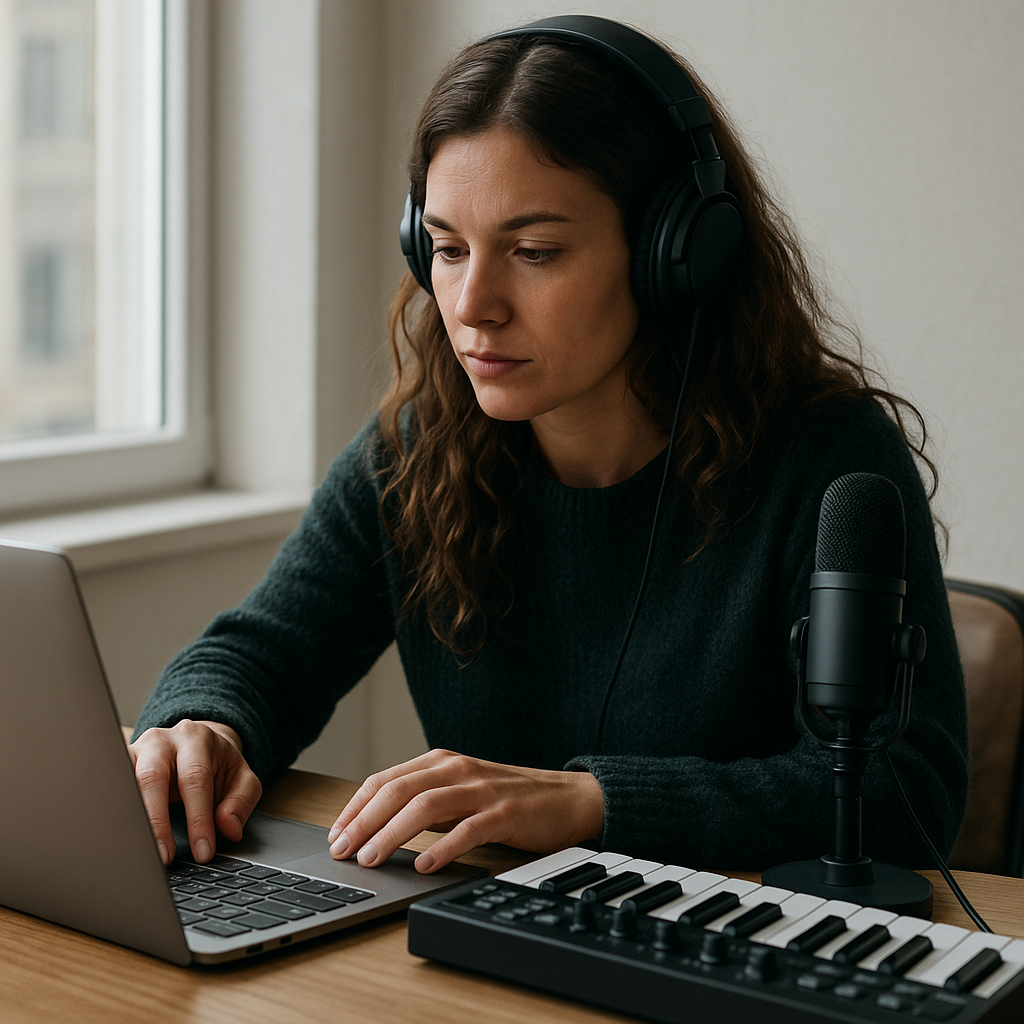
Key takeaways
- AI can now clone an artist's voice from just seconds of audio, raising legal gray areas that current copyright law doesn't clearly address.
- Purely AI-generated songs generally can't be copyrighted in the U.S. unless a human meaningfully shapes the final output.
- Some states, like Tennessee with its ELVIS Act, are passing new laws to protect artists' voices from unauthorized AI cloning.
AI music generators have gotten good enough that you can type a prompt and get a full song back — vocals, instrumentation, mixing, all of it. That's exciting for tinkerers and terrifying for an industry that still hasn't fully recovered from the Napster era. So let's break down what's actually going on.
What can AI music tools actually do? Modern AI models can generate original songs from text prompts, clone specific voices (including artists like Madonna, Drake, or Frank Sinatra), and remix existing tracks into new genres or styles. Some tools need just a few seconds of a voice sample to produce a convincing clone. Others can write full compositions — lyrics, melody, and production — with zero human input beyond a prompt.
Is it legal to remix Madonna with AI? This is the messy part. Copyright law protects the underlying song (lyrics and melody) and the specific recording separately, and neither clearly covers an AI-generated voice clone that doesn't use the original audio at all. Right now, there's no federal law in the U.S. that explicitly bans creating a fake Madonna vocal — but that doesn't mean it's risk-free. Artists and labels have been sending takedown notices and pursuing legal action under theories like right of publicity (your voice and likeness as personal property) and unfair competition, even when traditional copyright doesn't clearly apply. Tennessee's ELVIS Act, passed in 2024, specifically protects a person's voice from AI cloning — a sign more states may follow.
Who owns an AI-generated song? This is still being sorted out in courts and the U.S. Copyright Office. Current guidance says purely AI-generated material without meaningful human authorship generally can't be copyrighted. But if a human meaningfully shapes, edits, or arranges the output, that human contribution might be protectable. Translation: the fully automated song you generated for fun probably isn't legally "yours" in a way you can enforce — but if you rework it substantially, that might change.
Will anyone actually listen to it? Here's the underrated question. Streaming platforms are already flooded with AI-generated tracks, some by bad actors trying to farm royalty payouts. Spotify and others have started policies to flag or limit clearly fraudulent AI uploads. For real listeners, the novelty of an AI Madonna cover may wear off fast — humans still tend to care about the story and person behind the music, not just the sound.
The bottom line AI music tools are moving faster than the laws meant to govern them. Nothing is fully settled — not ownership, not liability, not what counts as fair use. If you're experimenting with AI remixes for fun, you're probably fine. If you're trying to monetize a fake Beyoncé track, you're in much riskier territory, and the legal ground is shifting under everyone's feet.
Why it matters
If you make music, remix content, or just love a good AI experiment, the rules around what's legal are changing in real time. Understanding the gray areas now can save you a legal headache — or a takedown notice — later.
Want deals on what you love?
Val finds local offers matched to your interests — free to start.
Meet Val