The Most Profound Peanuts Quote Ever Still Doesn't Get Its Due, 60 Years Later
Polygon · August 29, 2026
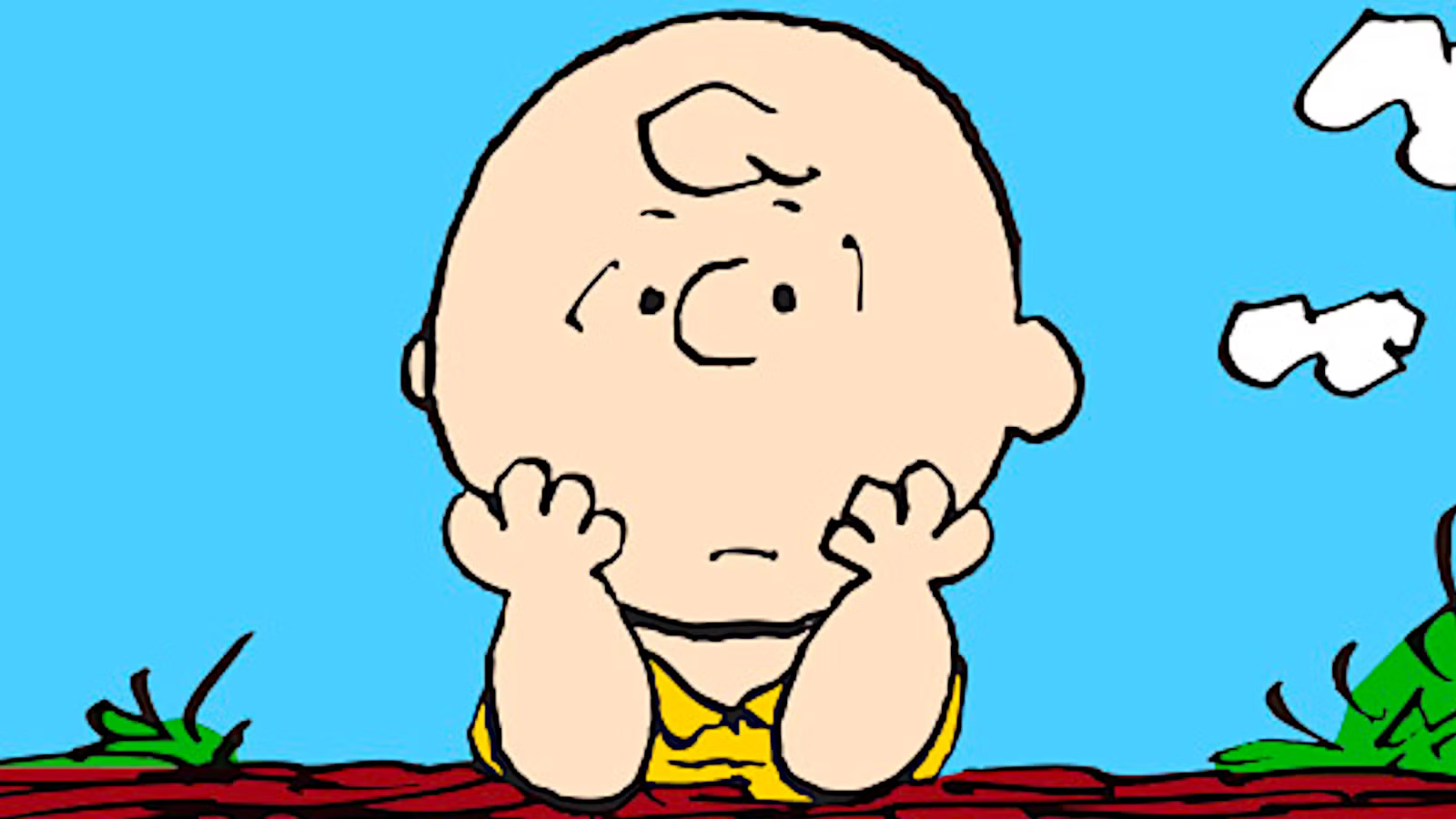
Key takeaways
- Peanuts' most profound lines often ran quietly, without fanfare, buried in otherwise gag-driven strips.
- Charles Schulz's final strip published the day after his death in 2000 — a coincidence, since Sunday strips were drawn weeks in advance.
- Peanuts' reputation leans on its cute merchandising surface, overshadowing the genuinely existential, adult-resonant writing underneath.
A Comic Strip That Did More Than Make Kids Laugh
Peanuts ran for 50 years, ended one day after Charles Schulz's death in 2000, and somehow still gets treated like a nostalgia item instead of what it actually was: one of the most quietly profound pieces of American writing of the 20th century. Schulz wasn't just drawing a beagle dreaming about the Red Baron — he was smuggling real, adult-sized existential dread into the funny pages, and doing it through the mouths of eight-year-olds.
That's the case Polygon makes 60 years on from one of the strip's sharpest lines, and it's hard to argue. Somewhere between Snoopy's typewriter bits and Linus's blanket, Schulz kept dropping lines that hit like a gut punch disguised as a punchline — the kind of thing you read as a kid for the joke and reread as an adult for the ache.
Why the Quote Still Doesn't Get Its Flowers
The issue, as the piece points out, is that Peanuts' reputation has calcified around its cutest surfaces: Snoopy plush toys, Charlie Brown Christmas specials, the football gag. That's the version that gets merchandised, memed, and mythologized. The genuinely bleak, funny, human stuff — kids articulating anxiety, loneliness, and fear of happiness better than most prestige dramas manage — gets quietly filed under "charming" instead of "devastating."
Even Schulz himself, according to the piece, didn't necessarily flag this particular line as his best work. He wrote thousands of strips across five decades, and the truly profound ones often slipped in unannounced, buried in a Sunday panel between gags about Lucy's football or Woodstock's chirping. There was no fanfare, no framing device telling readers "this one's the important one." It just happened, the way real insight tends to.
The Bigger Point About Schulz
The timing angle only reinforces this. Schulz's final strip ran the day after he died — not because he planned it that way, but because Sunday strips were drawn weeks in advance. He announced his retirement two months before his death, health failing from strokes and cancer, and still kept working until he physically couldn't. That's not a man chasing a poignant ending. That's a man who simply never stopped being honest on the page, right up until the page stopped coming.
Why This Still Matters Now
Sixty years later, Peanuts is proof that kids' entertainment doesn't have to dumb anything down to reach a mass audience. Schulz smuggled real melancholy, real self-doubt, and real philosophy into a strip that ran next to the crossword. That's a much harder trick than it looks, and it's worth remembering every time someone reduces Peanuts to a Snoopy keychain.
Why it matters
Peanuts shaped how generations think about comics as a serious storytelling medium, not just kids' entertainment. Revisiting its sharpest lines 60 years later is a reminder that some of the best writing hides in the most unassuming places.
Want deals on what you love?
Val finds local offers matched to your interests — free to start.
Meet Val