Asian Stocks Slide as Inflation Surprises and Tariff Fears Resurface
Seeking Alpha · November 25, 2026
Key takeaways
- Asian stock markets sold off broadly after inflation data came in hotter than expected, raising doubts about near-term rate cuts.
- Renewed U.S. tariff concerns added pressure, especially on export-heavy tech, auto, and industrial sectors.
- The combination of inflation and tariff fears tends to amplify market volatility since tariffs can themselves push prices higher.
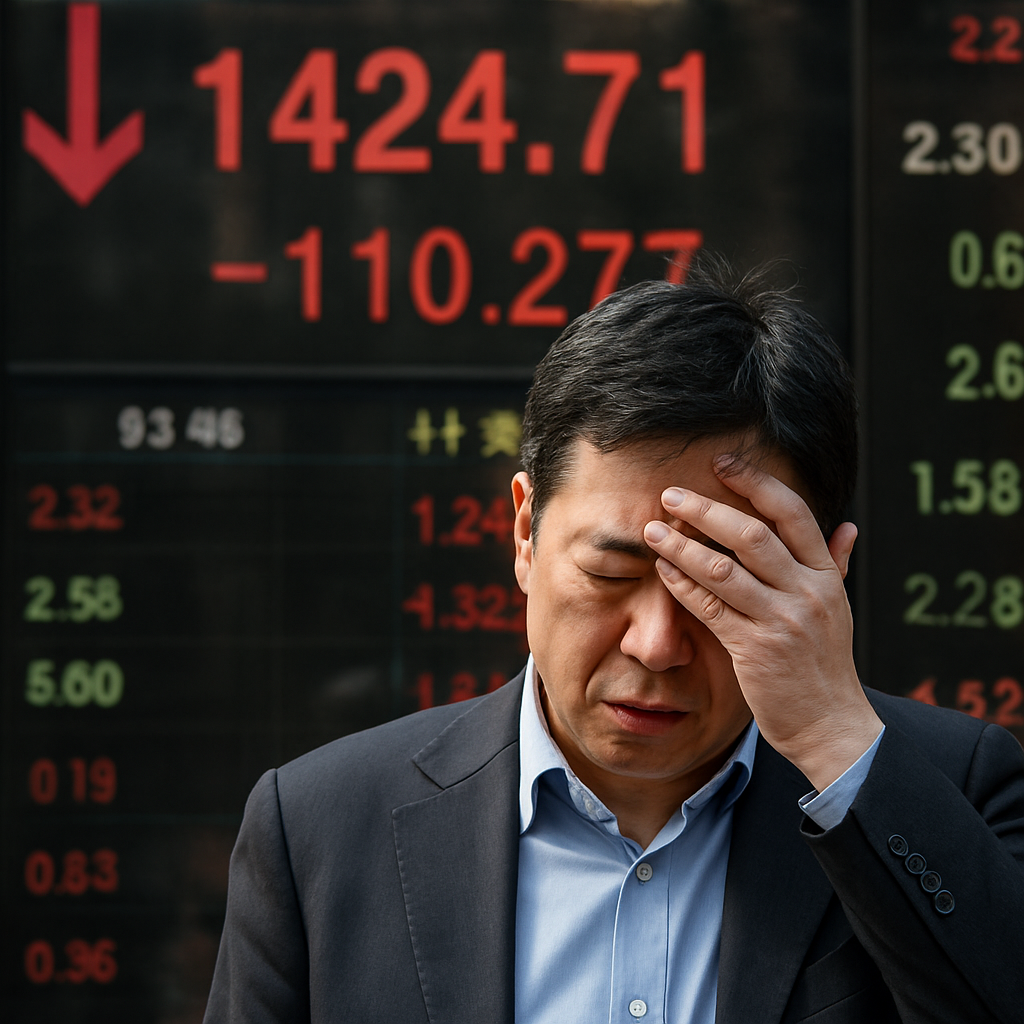
What Happened Asian equity markets fell across the board as traders digested a one-two punch: inflation data that came in hotter than expected, plus fresh worries about U.S. tariff policy. Major indices in Japan, South Korea, Hong Kong, and mainland China all slipped, with tech and export-heavy sectors taking some of the biggest hits since those stocks are most exposed to trade friction.
The selloff wasn't isolated to one country or sector — it spread broadly, which is usually a sign that investors are repricing risk across the entire region rather than reacting to a single company or headline.
Why Inflation Data Spooked Markets Hotter inflation readings matter because they shape expectations for central bank policy. When inflation runs above forecasts, it reduces the odds of rate cuts (or raises the odds of rate hikes), which makes borrowing more expensive and squeezes corporate profits. Investors had been pricing in a more dovish path for monetary policy, so a surprise on the inflation front forces a quick recalibration — and that recalibration often shows up as a sell-first, ask-questions-later reaction.
The Tariff Overhang Layered on top of the inflation surprise is the ongoing uncertainty around U.S. tariff policy. Tariffs directly affect the cost of goods moving between the U.S. and Asian manufacturing hubs, which means companies in electronics, autos, and industrial supply chains are especially sensitive to any signal — real or rumored — about new trade restrictions. When tariff concerns resurface, markets tend to discount future earnings for exporters almost immediately, even before any policy is finalized.
Why It's a Double Whammy Inflation worries and tariff worries actually compound each other. Tariffs themselves can push consumer prices higher, which means a tariff headline doesn't just threaten trade volumes — it also reinforces the narrative that inflation could stay elevated longer. That's part of why this selloff hit broadly instead of being contained to one theme.
What to Watch Next Investors will be watching for official commentary from central banks in the region, along with any statements from U.S. trade officials that could clarify — or escalate — tariff plans. Broad-based selloffs like this one often stabilize once there's more clarity, but until then, expect continued volatility, especially in export-dependent sectors.
The Bigger Picture This isn't just an Asia story. Global markets are interconnected, and a selloff driven by inflation and trade fears in Asia often ripples into U.S. and European trading sessions too. If you're tracking global markets or have exposure to international funds, this is the kind of headline worth keeping an eye on in the days ahead.
Why it matters
If you hold international funds, tech stocks, or anything tied to global trade, this kind of broad selloff can ripple into your portfolio fast. Understanding the inflation-tariff connection helps you separate short-term noise from longer-term risk.
Want deals on what you love?
Val finds local offers matched to your interests — free to start.
Meet Val