China's Kimi K3: How Big a Threat Is It to US AI Labs?
Seeking Alpha · July 25, 2026
Key takeaways
- Moonshot AI's Kimi K3 is drawing comparisons to DeepSeek's earlier market-moving debut for being competitive at reportedly lower cost.
- Analysts are split on whether it's a genuine threat to US AI labs or just another benchmark headline with limited real-world impact.
- The bigger takeaway: efficiency gains from Chinese labs keep pressuring the 'more compute equals better AI' narrative driving US tech spending.
Another Chinese AI Model Just Rattled the Room
Every few months, a new Chinese AI model shows up, posts impressive benchmark numbers, and sends a ripple through US tech stocks. This time it's Kimi K3, the latest release from Moonshot AI, and Seeking Alpha's analyst community is asking the obvious question: is this the real deal, or just another headline?
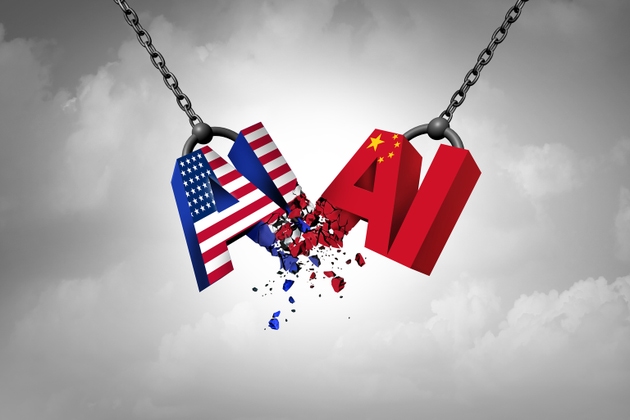
If that setup sounds familiar, it should. DeepSeek pulled the same move earlier, claiming frontier-level performance at a fraction of the training cost of US models, and it briefly wiped hundreds of billions off Nvidia's market cap in a single session. Kimi K3 is being framed in similar terms — a capable, reportedly cheaper model that challenges the assumption that only OpenAI, Anthropic, and Google can play at the top of the leaderboard.
Why This Keeps Happening
The pattern is becoming predictable. Chinese labs, often operating with fewer high-end GPUs due to export restrictions, keep finding efficiency gains that let them train competitive models without the eye-watering compute budgets of their US rivals. Whether that's through smarter architecture choices, distillation techniques, or just aggressive engineering, the result is the same: models that perform close to the frontier at a fraction of the reported cost.
For investors, that's the uncomfortable part. The entire bull case for AI infrastructure spending — hundreds of billions poured into chips, data centers, and power — rests on the idea that better AI requires exponentially more compute. Every time a lower-cost model shows up performing near parity, it pokes a hole in that thesis, at least in the short term.
Threat or Noise? What Analysts Are Actually Debating
The honest answer is that it's split. Some see Kimi K3 as evidence that the AI compute arms race is overhyped and that efficiency will eventually commoditize model performance, pressuring the pricing power of US labs like OpenAI and Anthropic. Others argue these Chinese models tend to lag on real-world reliability, enterprise support, safety tooling, and the ecosystem lock-in that makes US models sticky for business customers — meaning benchmark scores don't always translate into market share.
There's also the open question of whether reported training costs from Chinese labs are fully transparent, something that was heavily scrutinized after the DeepSeek episode.
What This Means Going Forward
Don't expect this to be the last time a Chinese model spooks the market. The bigger story is a genuine global race where cost efficiency is becoming as important as raw capability. For US AI labs and the chipmakers that supply them, that means pressure to justify massive spending with clear performance and monetization gains — not just bigger numbers.
Why it matters
If cheaper Chinese AI models can match US performance, it challenges the massive spending story behind AI stocks like Nvidia, Microsoft, and OpenAI's backers. That matters whether you're watching your portfolio or just trying to understand where the AI race is really headed.
Want deals on what you love?
Val finds local offers matched to your interests — free to start.
Meet Val