Chinese Rocket Launch Fails, Communications Satellite Lost
Seeking Alpha · August 10, 2026
Key takeaways
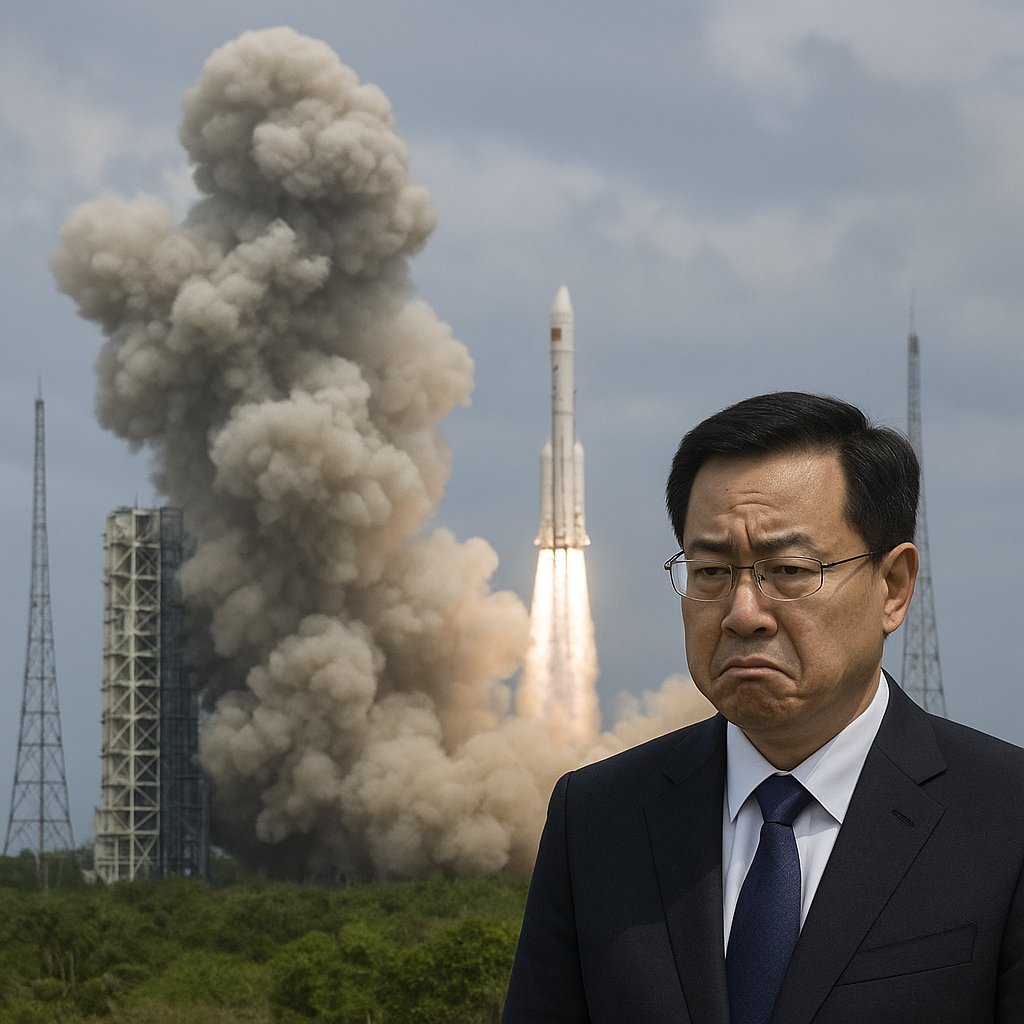
- A Chinese rocket failed mid-launch, resulting in the loss of a communications satellite payload.
- The failure adds scrutiny to China's fast-expanding space and satellite launch program.
- Space and satellite-related stocks often react to launch failures due to cost, insurance, and reliability concerns.
What Happened
A Chinese rocket failed during the launch of a communications satellite, according to a brief report from Seeking Alpha. Launch failures like this are rare but not unheard of, and they typically mean the payload — in this case a comms satellite — is lost along with the rocket. Details on the specific rocket model, the satellite's operator, and the cause of the failure are still emerging, but the headline alone is enough to ripple through the space and satellite industry.
Why a Failed Launch Matters
Rocket launches are expensive, high-stakes bets. A single satellite can cost anywhere from tens of millions to hundreds of millions of dollars to build, and the launch vehicle itself represents a massive additional investment. When a launch fails, it's not just a lost payload — it's lost revenue, delayed timelines for whatever service that satellite was meant to support (think broadband, TV, or military communications), and a hit to confidence in the rocket program involved.
For China specifically, this comes at a moment when the country has been aggressively ramping up its space ambitions — building out its own satellite internet constellations to compete with SpaceX's Starlink, expanding its space station program, and pushing commercial launch providers to scale up cadence. A failure, even one isolated incident, becomes a data point in the broader narrative about how reliable China's rapidly expanding launch industry actually is.
The Bigger Picture for Investors and Space Watchers
Space and satellite stocks — both in the U.S. and China — tend to be sensitive to news like this, especially as the sector heats up with more private and state-backed players racing to put hardware in orbit. Any failure, anywhere, tends to prompt renewed scrutiny of launch insurance costs, regulatory reviews, and investor sentiment toward companies with exposure to the launch supply chain.
It's also a reminder that despite decades of progress, spaceflight remains an inherently risky business. Even the most experienced space programs — American, Chinese, Russian, or private — post failure rates that would be unacceptable in almost any other industry. That's part of why launch insurance exists as its own multi-billion-dollar market.
What to Watch Next
Expect Chinese state media and space officials to eventually release more details on what went wrong and what satellite was lost. Investors with exposure to satellite communications, space launch providers, or aerospace supply chains should keep an eye on any follow-up reporting, since a pattern of failures (versus an isolated incident) would carry more weight than a single event.
Why it matters
Satellite launches underpin everything from internet connectivity to global communications infrastructure, so failures carry real financial and strategic weight. For anyone tracking the space industry or satellite-exposed stocks, incidents like this are a signal worth watching for patterns.
Want deals on what you love?
Val finds local offers matched to your interests — free to start.
Meet Val