Church & Dwight Q2 Sales Growth Driven by Portfolio Shakeup, Ad Spend
Seeking Alpha · July 31, 2026
Key takeaways
- Church & Dwight's Q2 sales growth was driven by a repositioned product portfolio and higher advertising investment.
- The strategy reflects a broader CPG industry trend of sharpening brand focus amid inflation-conscious consumers.
- Watch whether the sales growth is sustainable once elevated ad spending levels normalize in future quarters.
What Happened
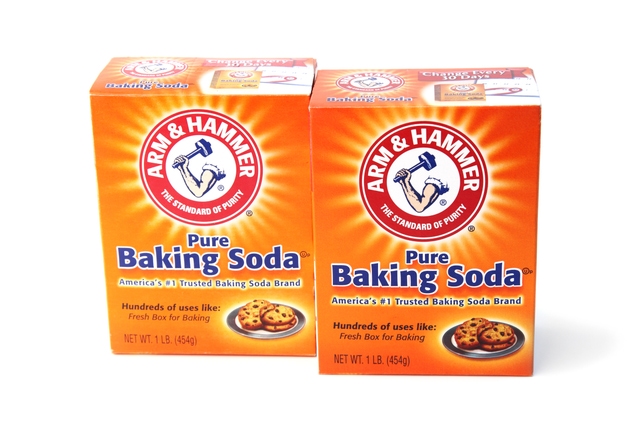
Church & Dwight, the consumer goods company behind household names like Arm & Hammer, OxiClean, and Trojan, posted Q2 sales growth that the company is attributing to two main strategic moves: reshaping its product portfolio and pumping more money into advertising.
In plain terms, that means the company has been actively deciding which brands to lean into and which to trim, while simultaneously spending more to get its products in front of shoppers. For a company that owns dozens of brands across categories like laundry care, personal care, and household cleaning, this kind of active portfolio management is a signal that leadership is trying to sharpen focus on its highest-performing products rather than spreading resources thin.
Why Portfolio Repositioning Matters
Consumer goods companies live and die by shelf space and brand loyalty. When a company like Church & Dwight repositions its portfolio, it typically means shifting investment toward categories with stronger growth potential or higher margins, and potentially divesting or deprioritizing brands that aren't pulling their weight. This kind of discipline has become increasingly common across the consumer packaged goods (CPG) sector as companies deal with inflation-weary shoppers who are more willing to switch to store brands or cheaper alternatives.
The fact that this repositioning is showing up as a driver of sales growth suggests the strategy is working, at least for now. It's a reminder that even legacy household brands need constant recalibration to stay relevant on crowded store shelves and in an increasingly digital shopping environment.
The Ad Spending Play
Increased advertising spend is the other half of the equation here. In a market where private label and discount brands have been chipping away at name-brand loyalty, spending more on marketing is a direct bet that brand awareness and visibility still move the needle. Companies often ramp up ad budgets when they're confident a product will convert that attention into actual purchases — otherwise it's just burning cash.
For Church & Dwight, boosting ad spend alongside a more focused portfolio suggests a coordinated push: get the right products in front of consumers, then make sure they're seen. It's a classic CPG playbook, but the timing and execution matter, especially with consumer spending patterns still shifting post-pandemic.
What Investors and Shoppers Should Know
For investors, this kind of quarter is worth watching for whether the sales growth holds up as ad spending normalizes, or if it was mostly a one-time bump from marketing dollars. For everyday shoppers, it likely means more visible advertising for Church & Dwight brands and possibly some shifts in which products get prime shelf placement or promotional attention going forward.
Why it matters
Church & Dwight's approach offers a window into how major consumer brands are fighting to stay relevant against private-label competition. If you follow consumer goods stocks or just want to understand why certain brands suddenly seem to be everywhere, this is the strategy at work.
Want deals on what you love?
Val finds local offers matched to your interests — free to start.
Meet Val