Euro Hits 17-Month Low: What's Driving the Currency Slide
Seeking Alpha · October 5, 2026
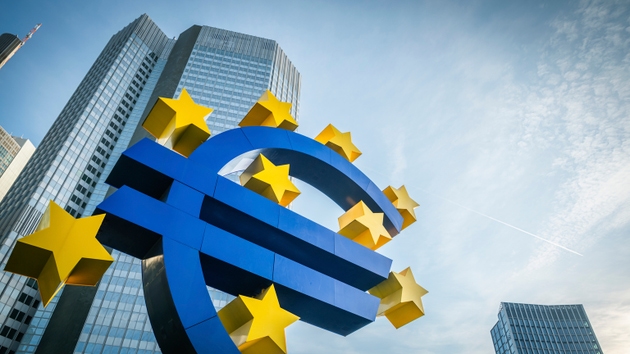
Key takeaways
- The euro fell to its weakest level in 17 months amid rising political and fiscal uncertainty across the eurozone.
- Fragile governments, election risk, and budget disputes are rattling investor confidence in the currency.
- A weaker euro affects everything from travel costs to import prices to broader market sentiment — watch upcoming political and budget news for the next move.
The Euro Just Hit a Wall
The euro has slumped to its lowest level in 17 months, and it's not hard to see why. A mix of political instability in major eurozone economies and growing worries about government debt loads is spooking currency traders. When investors get nervous about a region's politics and its ability to manage its finances, they pull money out — and that's exactly what's happening to the euro right now.
Why Political Risk Is Driving This
Currency markets hate uncertainty, and Europe has been serving up plenty of it. Fragile coalition governments, snap elections, and budget standoffs have become recurring themes across several eurozone countries. Each time a government looks shaky or a budget fails to pass smoothly, traders read it as a signal that economic policy could stall or swing unpredictably — and they price that risk straight into the currency.
The Fiscal Piece of the Puzzle
On top of the politics, there's a fiscal story brewing. Several eurozone members are carrying debt loads that are drawing scrutiny from bond markets, and there's growing concern about how governments plan to close budget gaps without tanking growth. When fiscal credibility gets questioned, it often shows up first in the currency before it even hits bond yields in a big way. A weaker euro is, in some sense, the market's early warning signal.
What This Means in Practice
A weaker euro isn't just a headline number — it has real ripple effects. For everyday consumers and travelers, it means your dollars (or other strong currencies) stretch further on European goods, trips, and services. For businesses, it can be a double-edged sword: European exporters may get a competitive boost because their goods become cheaper abroad, but companies that import raw materials or energy priced in dollars will feel the pinch of higher costs. For investors, currency swings like this often bleed into broader market sentiment, affecting European stocks, bonds, and even how global central banks think about policy coordination.
Where Things Go From Here
The big question now is whether this is a temporary dip or the start of a longer slide. That depends heavily on how quickly political stability returns and whether fiscal plans get sorted out in a way that reassures markets. If governments can show a credible path forward, the euro could stabilize. If not, don't be surprised if this 17-month low becomes just another stop on the way down. Keep an eye on upcoming budget votes and election headlines — they're likely to be the next catalysts for currency moves.
Why it matters
A sliding euro impacts anyone who travels to Europe, invests in European markets, or works with businesses tied to the eurozone. It's also a signal of deeper political and fiscal stress that could ripple into global markets.
Want deals on what you love?
Val finds local offers matched to your interests — free to start.
Meet Val