FAA Clears Runway for Air Taxis and Supersonic Jets in 2026
Seeking Alpha · July 21, 2026
Key takeaways
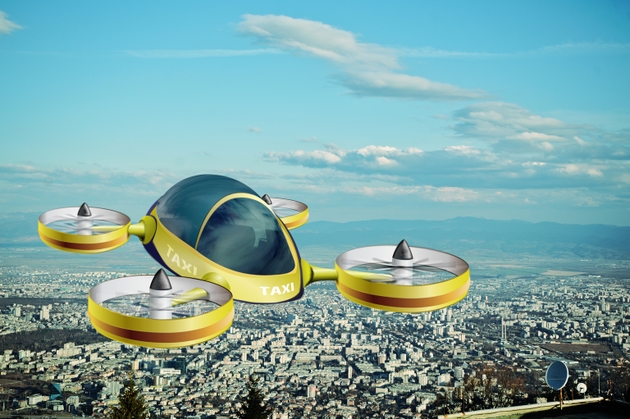
- The FAA is creating new certification pathways specifically for electric air taxis (eVTOL aircraft) instead of forcing them through rules built for traditional planes.
- Regulators are also revisiting supersonic flight restrictions, opening the door to domestic supersonic routes for the first time since the Concorde era.
- Faster regulatory clarity could accelerate commercial timelines for companies like Joby, Archer, and Boom Supersonic, though safety reviews will still take time.
The Skies Are Getting a Regulatory Update
The FAA is moving to clear the runway—literally—for two of aviation's most futuristic bets: electric air taxis and supersonic passenger jets. New guidance and streamlined certification pathways are aimed at getting eVTOL (electric vertical takeoff and landing) aircraft and next-gen supersonic planes out of the testing phase and into commercial service faster than previously expected.
Why Air Taxis Have Been Stuck in Neutral
Companies like Joby Aviation and Archer Aviation have been building and flying air taxi prototypes for years, but the bigger hurdle has never been the hardware—it's been the paperwork. The FAA has historically certified new aircraft types under rules built for traditional planes and helicopters, which don't map cleanly onto battery-powered, multi-rotor vehicles designed to hop between rooftop pads in cities. The agency's newer approach creates a more tailored certification framework specifically for powered-lift aircraft, which should shorten the runway (again, literally) between test flights and paying passengers.
Supersonic Jets Get a Second Look
On the supersonic side, the FAA is revisiting decades-old restrictions that effectively banned commercial supersonic flight over land in the U.S. since the Concorde era. Companies like Boom Supersonic have been developing quieter "boomless" designs that reduce or eliminate the disruptive sonic boom, and regulators are now working on updated noise standards that could open domestic supersonic routes for the first time in over 50 years.
What This Means for the Industry
For manufacturers, faster and clearer FAA pathways mean investors and airlines get more confidence to commit real money to these programs instead of waiting in regulatory limbo. For the flying public, it means air taxi service in congested cities and potentially faster cross-country supersonic flights could move from "someday" to "within a few years" territory. That said, certification timelines in aviation are notoriously optimistic on paper and slower in practice—safety reviews for entirely new categories of aircraft take time, and the FAA isn't going to cut corners just to hit a press release deadline.
The Bigger Picture
This isn't just a niche aviation story. Air taxis could reshape urban commuting in places like Los Angeles, New York, and Miami, cutting hour-long drives into 10-minute flights. Supersonic jets, meanwhile, could revive an entire category of premium air travel that's been dormant since 2003. Both bets are still early, but regulatory movement is usually the first real signal that an industry is about to shift from concept to commercial reality.
Why it matters
If you live in a major city or fly often, these rule changes could eventually mean skipping traffic in an air taxi or cutting cross-country flight times in half. It's also a signal for investors watching aviation and mobility stocks that regulatory risk is starting to ease.
Want deals on what you love?
Val finds local offers matched to your interests — free to start.
Meet Val