Fed's Warsh: Rate Move 'Removes a Dose of Accommodation' — What It Means
Seeking Alpha · September 16, 2026
Key takeaways
- Fed official Kevin Warsh said the latest policy move "removes a dose of accommodation," signaling a measured pullback in monetary support.
- This kind of language usually means slightly higher borrowing costs and closer market attention to rate-sensitive sectors.
- It's a gradual signal, not a dramatic shift — future Fed meetings and inflation data will clarify the longer-term direction.
What Happened
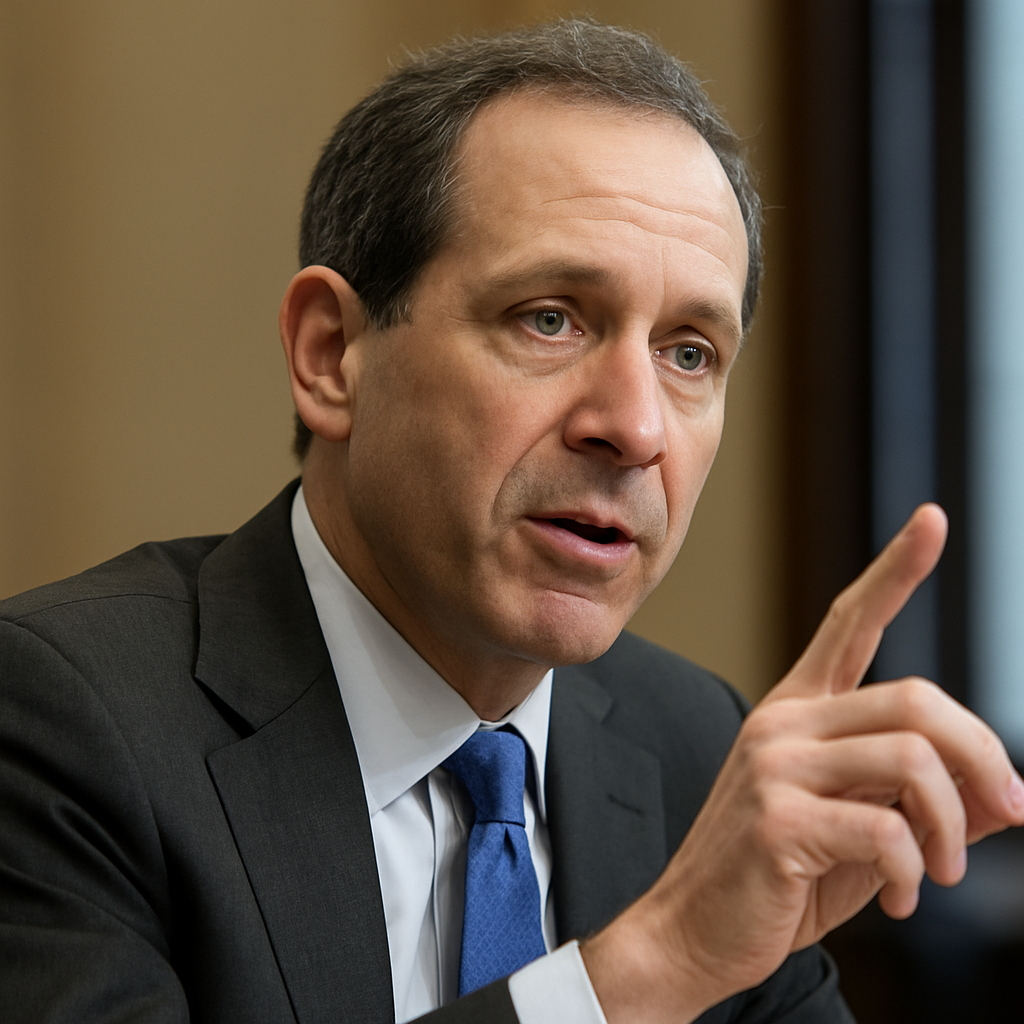
At a recent Federal Reserve press conference, Kevin Warsh described the central bank's latest move as one that "removes a dose of accommodation" from the economy. In plain English: the Fed is dialing back some of the easy-money support it had been providing, a signal that policymakers think the economy — or inflation — no longer needs quite as much help.
Why the Fed Is Doing This
Central banks add "accommodation" when they want to juice growth — think lower rates, more liquidity, cheaper borrowing. They pull it back when they're worried about overheating, sticky inflation, or an economy that's running hotter than expected. Warsh's comment suggests the Fed sees enough strength (or enough inflation risk) in the current data to justify tightening the reins, even slightly.
This kind of language matters because Fed officials choose their words carefully. "Removes a dose" implies this isn't a dramatic reversal — it's a measured, incremental step. The Fed isn't slamming the brakes; it's easing off the gas a little.
What It Means for Markets
When the Fed signals less accommodation, markets typically react in a few predictable ways: bond yields can tick up, borrowing costs for mortgages and credit cards can inch higher, and stock investors start recalculating how much cheap money will be available going forward. Growth stocks and rate-sensitive sectors (real estate, tech, small caps) tend to be the most reactive to this kind of Fed language.
Investors and traders parse every word from Fed officials because monetary policy shifts ripple through everything from your 401(k) to your next auto loan rate.
What Regular People Should Watch
You don't need to trade Fed futures to care about this. If borrowing costs shift, that affects mortgage rates, credit card APRs, and savings account yields. A less accommodative Fed generally means saving gets a bit more rewarding while borrowing gets a bit more expensive.
The Bigger Picture
Warsh's remarks are part of a broader Fed communication strategy: prepare markets gradually rather than shock them. Whether this is the start of a longer tightening trend or a one-off adjustment will depend on upcoming inflation reports, jobs data, and how the economy responds in the next few months. Keep an eye on the next Fed meeting and any follow-up commentary — that's where the real trend will become clear.
Why it matters
Fed policy shifts affect mortgage rates, savings yields, credit card costs, and stock market performance for everyday people. Understanding language like 'removing accommodation' helps you anticipate whether borrowing is about to get pricier or saving is about to get more rewarding.
Want deals on what you love?
Val finds local offers matched to your interests — free to start.
Meet Val