Treasury Buybacks Aren't Moving Yields, Fund Managers Say
Seeking Alpha · September 15, 2026
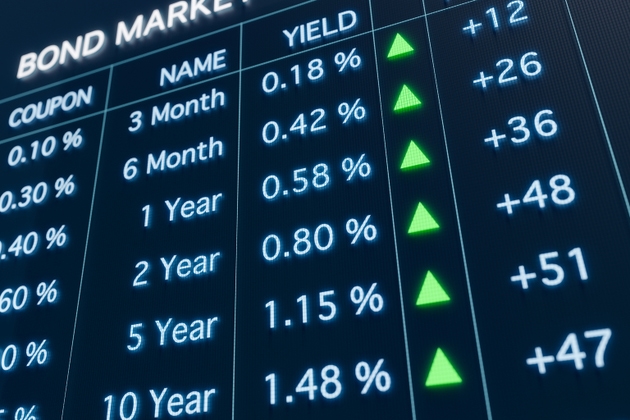
Key takeaways
- Fund managers surveyed say Treasury's bond buyback program has had little to no effect on actual yield levels.
- The buyback program is designed to improve market liquidity, not to influence interest rates directly.
- Fed policy, inflation data, and new debt issuance remain the real drivers of yields — and by extension, mortgage and loan rates.
The Big Picture
The U.S. Treasury has been quietly buying back older, less-liquid government bonds as part of a program meant to smooth out trading in the massive $28 trillion Treasury market. The idea: fewer clunky, hard-to-trade old bonds floating around means a healthier, more efficient market overall.
But according to a new survey of fund managers, the buybacks haven't done much of anything to actual yields — the interest rates that ripple out into mortgages, auto loans, credit cards, and savings accounts. Most managers polled said the impact on yield levels has been minimal to nonexistent.
Why the Buybacks Aren't Moving the Needle
Treasury's buyback program is relatively small compared to the sheer size of the bond market. When the Treasury buys back, say, a few billion dollars of old debt, it's a rounding error next to trillions in outstanding Treasuries and daily trading volume. Fund managers who actually trade this stuff every day are essentially saying: this is a plumbing fix, not a rate lever.
That matters because a lot of retail investors assume any Treasury action automatically means falling or rising rates. This survey is a reality check — the buybacks are about market functioning and liquidity, not about steering the cost of borrowing.
What Actually Does Move Yields
If buybacks aren't the driver, what is? The usual suspects: Federal Reserve policy decisions, inflation data, jobs reports, and how much new debt the Treasury needs to issue to fund the government. Those are the levers that actually push the 10-year yield up or down, which in turn shapes mortgage rates and what your savings account pays you.
What This Means If You're Watching Rates
If you've been holding off on a mortgage refinance or a big purchase hoping buyback news would tip rates in your favor, this survey suggests you can stop watching that particular headline. It's not where the action is.
Instead, keep an eye on Fed meetings and inflation prints — those are still the real yield drivers. The buyback program is more of a background maintenance story for bond market nerds than a signal for everyday financial decisions.
The Bottom Line
Treasury's buyback program is doing its job of keeping the bond market running smoothly, but it's not the rate-cutting (or hiking) tool some hoped it might be. Fund managers who trade this market daily are telling us to look elsewhere for clues on where borrowing costs are headed next.
Why it matters
If you're tracking interest rates for a mortgage, refinance, or savings decision, this is a reminder to focus on Fed meetings and inflation data rather than Treasury buyback headlines. It helps separate market 'plumbing' news from what actually moves the rates that affect your wallet.
Want deals on what you love?
Val finds local offers matched to your interests — free to start.
Meet Val