Rising Mortgage Rates Put U.S. Construction Jobs on the Line
Seeking Alpha · October 8, 2026
Key takeaways
- Elevated interest rates are raising costs for both construction loans and buyer mortgages, squeezing builder margins from both ends.
- Slower housing starts translate directly into fewer jobs for construction trades, subcontractors, and material suppliers.
- Future job trends in construction will largely track interest rate decisions — rate relief could quickly reverse the slowdown.
What's Happening
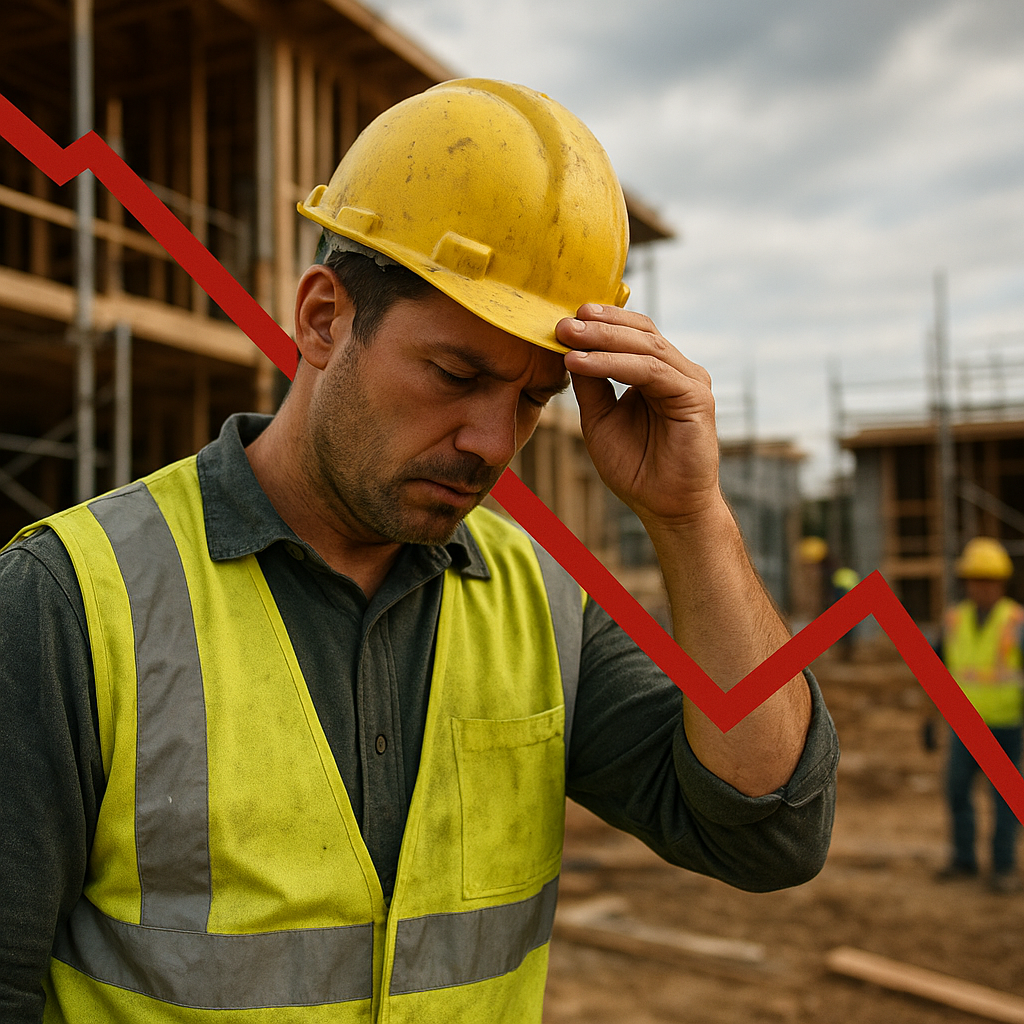
The U.S. residential construction sector is facing fresh pressure as elevated borrowing costs squeeze homebuilders and buyers alike. Higher interest rates have made both construction loans and mortgages pricier, forcing builders to pull back on new projects. That pullback isn't just a numbers problem on a spreadsheet — it directly threatens jobs for framers, electricians, plumbers, and the broader web of trades that depend on steady housing starts.
Why Borrowing Costs Are the Real Culprit
Homebuilders typically rely on short-term financing to fund construction before a property sells. When rates climb, those loans become more expensive, eating into margins on every project. At the same time, higher mortgage rates price out would-be buyers, slowing sales and leaving builders with unsold inventory. The combination creates a double squeeze: costlier money to build with, and a smaller pool of buyers ready to purchase once the home is done.
This isn't an abstract economic theory — it shows up fast in hiring decisions. Builders facing thinner margins and slower sales cycles tend to delay new groundbreakings, which means fewer new jobs on site and, in some cases, layoffs on existing crews.
The Ripple Effect on Workers
Construction employment is especially sensitive to interest rate swings because so much of the industry runs on project-by-project hiring. When starts slow, subcontractors feel it first, followed by suppliers and material producers. Regions heavily dependent on new-home construction — fast-growing Sun Belt metros, for example — could see outsized impacts if the slowdown persists.
The risk isn't just fewer new jobs; it's also stalled career pipelines. Apprenticeship programs and training pathways in the trades depend on consistent demand. A prolonged downturn can push skilled workers into other industries, creating labor shortages later when demand eventually rebounds.
What Comes Next
Much depends on where interest rates head from here. If the Federal Reserve signals rate cuts or financing conditions ease, builders could resume projects fairly quickly since land and permits are often already in the pipeline. But if borrowing costs stay elevated for an extended stretch, expect continued caution from builders, slower housing starts data, and softer job reports tied to the construction sector.
For now, the industry sits in a holding pattern — watching rate decisions closely while trying to avoid overcommitting to new projects that might not pencil out if costs stay high.
Bottom Line
Higher borrowing costs are doing more than cooling the housing market — they're putting real jobs at risk across the construction trades. Keep an eye on interest rate moves; they're the single biggest lever determining whether builders hire or hold back.
Why it matters
If you work in or around construction, or you're watching the housing market as a buyer, this trend affects your paycheck and your purchase timeline alike. Understanding the link between rates and jobs helps you anticipate hiring slowdowns or housing supply shifts before they hit the headlines.
Want deals on what you love?
Val finds local offers matched to your interests — free to start.
Meet Val