Iran Says Strait of Hormuz Stays Closed Until U.S. Meets 7 Conditions
Seeking Alpha · October 4, 2026
Key takeaways
- Iran says it will keep the Strait of Hormuz closed until the U.S. meets seven unspecified conditions, escalating tensions in the Gulf.
- The strait is a critical global oil chokepoint, handling roughly 20% of the world's crude supply, making any disruption a major market concern.
- Oil prices, energy stocks, and shipping markets are likely to react quickly as more details emerge about the standoff.
What Happened Iran has announced that the Strait of Hormuz — one of the most critical oil chokepoints on the planet — will remain closed until the United States meets a list of seven conditions. The announcement, reported by Seeking Alpha, adds a new layer of uncertainty to an already tense standoff between Tehran and Washington, with the exact terms of Iran's demands still emerging through official channels.
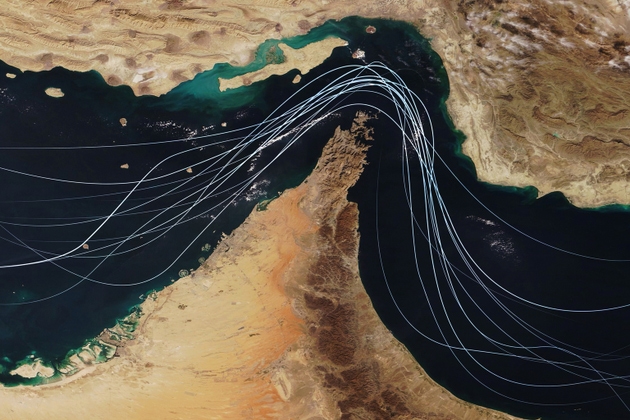
Why the Strait of Hormuz Matters So Much If you've never heard of the Strait of Hormuz, here's the quick version: it's a narrow waterway between Iran and Oman that roughly a fifth of the world's oil supply passes through every single day. Tankers carrying crude from Saudi Arabia, the UAE, Kuwait, Qatar, and Iraq funnel through this strait on their way to global markets. There's no easy detour — it's the chokepoint, full stop.
That's exactly why any threat to close it, even partially or rhetorically, sends ripples through oil futures, shipping insurance rates, and energy stocks almost instantly. Markets don't wait for confirmation; they price in risk the moment a headline like this drops.
What We Know (and Don't Know Yet) As of now, the specifics of Iran's seven conditions haven't been fully detailed in public reporting. What is clear is that Tehran is framing continued access through the strait as leverage in its broader standoff with Washington — turning a strategic waterway into a bargaining chip. This isn't the first time Iran has floated the idea of restricting passage through Hormuz; it's long been viewed as one of the country's most powerful pressure points in disputes with the West.
What matters for everyday readers and investors alike is how quickly — or slowly — this develops. Is this a formal shutdown backed by military posturing, or a diplomatic statement meant to pressure negotiations? Those are very different scenarios with very different market implications.
What to Watch Next Keep an eye on oil prices (WTI and Brent crude) over the coming days — that's the fastest signal for how seriously markets are taking this. Watch also for U.S. State Department or Pentagon responses, since any hint of naval escalation in the Gulf tends to move markets faster than diplomatic statements. Energy sector stocks, airline stocks (which are sensitive to fuel costs), and shipping/logistics companies are all worth monitoring if this situation escalates.
For now, this is a developing story with real economic stakes attached. The Strait of Hormuz doesn't get name-checked often, but when it does, it's usually because something big is happening in global energy markets — and this looks like one of those moments.
Why it matters
A prolonged closure or even the threat of one at the Strait of Hormuz can send oil prices climbing, raise shipping and insurance costs, and ripple through everything from gas prices to airline tickets. For anyone watching markets, energy investments, or global trade, this is a story worth tracking closely.
Want deals on what you love?
Val finds local offers matched to your interests — free to start.
Meet Val