Midterm Signals: Property Tax Breaks, Billionaire Taxes & Grocery Inflation
Seeking Alpha · November 5, 2026
Key takeaways
- Property tax relief proposals are gaining bipartisan traction as home values and local tax bills outpace wage growth.
- Billionaire and wealth tax proposals are becoming central campaign platforms, not just progressive talking points, due to broad public support.
- Persistently high grocery prices are fueling political pressure for price-gouging laws and antitrust action against food retailers.
The Pattern Behind the Headlines
Off-year elections are usually a sleepy preview, but this cycle sent a loud message: voters are furious about the cost of living, and candidates on both sides are scrambling to respond. Three themes kept surfacing in races across the country — property tax relief, taxing billionaires, and supermarket prices. None of these are new issues, but the intensity and specificity of the proposals signal where the 2026 midterm playbook is heading.
Property Tax Breaks Go Mainstream
Property taxes have quietly become a bigger pain point than mortgage rates for a lot of homeowners, especially as home values climbed faster than local budgets adjusted. Candidates in multiple states leaned hard into targeted relief — caps on assessment increases, rebates for seniors and first-time buyers, and freezes tied to income. This isn't just a red-state or blue-state move; it's showing up everywhere because local tax bills hit every voter directly, regardless of party.
Billionaire Taxes as a Campaign Centerpiece
At the same time, several high-profile candidates made taxing extreme wealth a headline policy rather than a footnote. Wealth taxes, surcharges on high earners, and closing carried-interest-style loopholes are being pitched as the funding mechanism for everything from housing to transit to childcare. The political logic is simple: polling consistently shows broad public support for taxing billionaires more, even among voters who otherwise lean fiscally conservative. Whether these proposals survive legal and legislative hurdles is a separate question — but as campaign messaging, they're proving effective.
Why Grocery Prices Are a Political Weapon
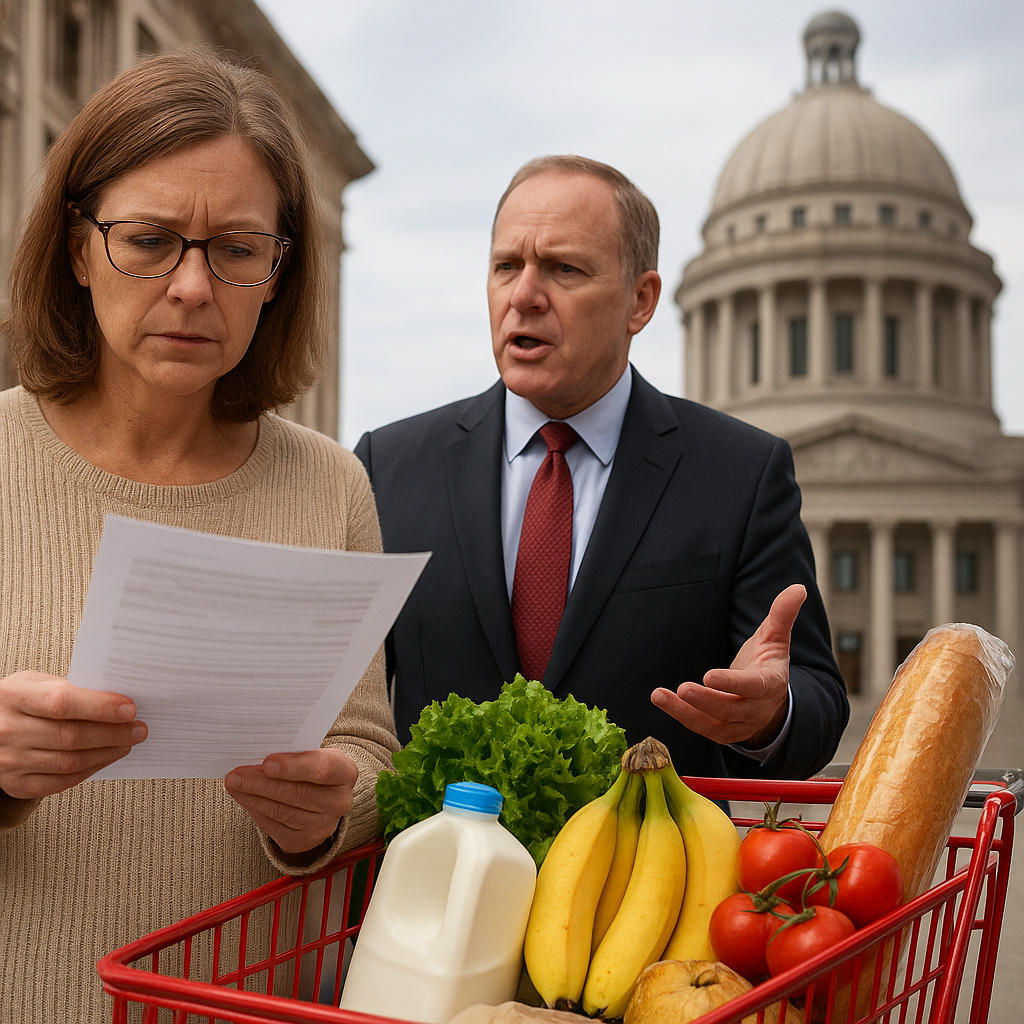
Supermarket inflation might be the most visceral of the three issues because voters feel it every single week. Even as headline inflation has cooled from its post-pandemic peak, grocery prices remain stubbornly elevated compared to a few years ago, and that gap is sticking in people's minds at checkout. Candidates are responding with everything from anti-price-gouging bills to grocery tax exemptions to calls for more antitrust scrutiny of food and retail giants.
What It Means Going Forward
Put together, these three threads point to one overarching story: affordability, not ideology, is driving voter behavior right now. Candidates who can credibly connect their platform to a household's monthly budget — housing costs, tax bills, and the grocery receipt — are outperforming those running on more abstract messaging. Expect this affordability framing to dominate primary fights and general election strategy heading into the 2026 midterms, with property tax relief and wealth tax proposals likely to become litmus-test issues in both parties.
Why it matters
These midterm signals show that affordability — not traditional left-right issues — is now the dominant force shaping elections. For everyday readers, that means tax policy, grocery costs, and wealth taxation could see real legislative movement heading into 2026.
Want deals on what you love?
Val finds local offers matched to your interests — free to start.
Meet Val