Saudi Airport Missile Attack Triggers Growing Flight Disruptions
Seeking Alpha · October 10, 2026
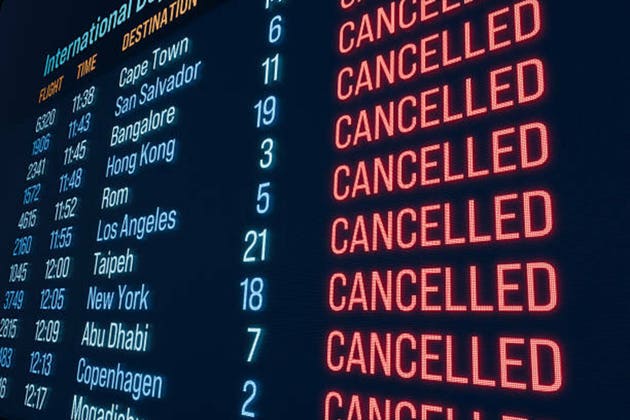
Key takeaways
- A missile attack on a Saudi airport has caused growing flight delays, cancellations, and reroutes across the region.
- Disruptions often extend beyond the attack site due to airspace closures and heightened airline caution.
- The incident could impact Saudi Arabia's aviation hub ambitions and ripple into oil and airline markets.
What Happened
A missile attack on a Saudi Arabian airport has set off a chain reaction of flight disruptions, with airlines scrambling to adjust schedules as the fallout spreads. Details are still emerging, but the strike has already rattled regional air traffic, pushing carriers to delay, reroute, or cancel flights tied to the affected airport.
This isn't an isolated blip. Saudi Arabia sits at a major crossroads for international air travel, connecting Europe, Asia, and Africa. When one of its airports takes a hit, the ripple effects move fast — through connecting flights, cargo schedules, and even oil markets that watch the region closely.
Why Flights Are Getting Hit
Airports don't need a direct strike to feel the impact of an attack nearby. Airspace closures, heightened security protocols, and airline risk assessments can ground flights even when the physical infrastructure is untouched. Carriers tend to err on the side of caution, which means disruptions often outlast the initial incident itself.
For travelers, that translates into real headaches: last-minute cancellations, long delays, and scrambling to rebook through alternate routes. For airlines, it means absorbing costs and reputational risk while trying to reassure passengers that flying through the region is still safe.
The Bigger Picture
Saudi Arabia has become an increasingly important aviation hub as it pushes its Vision 2030 economic diversification plan, investing heavily in tourism and global connectivity. An attack that disrupts flights isn't just a security story — it's a direct hit to that broader strategy. Investors and industry watchers will be paying close attention to how quickly operations normalize, since prolonged disruptions could dent confidence in the kingdom's aviation ambitions.
There's also a market angle. Geopolitical flare-ups in the Gulf region historically move oil prices and airline stocks, even when the direct damage is contained. Expect analysts to be watching energy markets and airline earnings guidance closely in the coming days.
What to Watch Next
Keep an eye on official statements from Saudi aviation authorities and major carriers operating in the region. If more airports or airspace get affected, disruptions could cascade into European and Asian flight networks that route through the Gulf. Travelers with upcoming trips through Saudi hubs should monitor airline alerts closely and build in flexibility for rebooking.
This story is developing, and the scope of disruption — along with any broader security response — will shape how long the turbulence lasts.
Why it matters
If you're flying through Saudi Arabia or connecting through Gulf hubs, this could directly affect your travel plans in the coming days. It's also a story worth watching if you track energy markets or airline stocks, since Gulf tensions tend to move both.
Want deals on what you love?
Val finds local offers matched to your interests — free to start.
Meet Val