US Clears $24.3B F-35 Jet Sale to Saudi Arabia: What It Means
Seeking Alpha · September 18, 2026
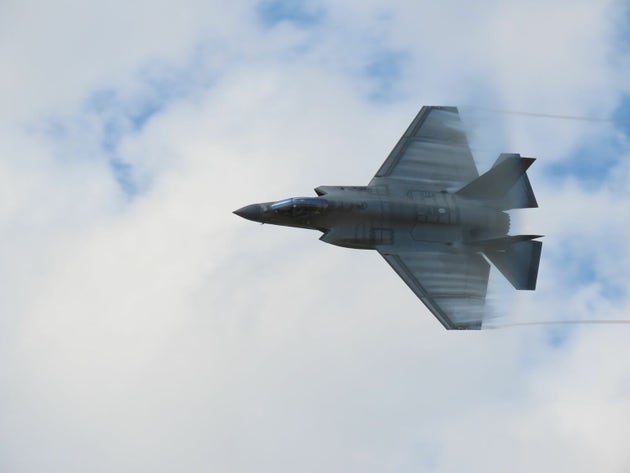
Key takeaways
- The State Department approved a potential $24.3B F-35 fighter jet sale to Saudi Arabia, though it still needs congressional review before finalizing.
- This would make Saudi Arabia one of the few Middle Eastern nations besides Israel to operate F-35s, marking a shift in US regional defense policy.
- Lockheed Martin and its supply chain stand to benefit significantly if the deal is finalized, making it a notable data point for defense sector investors.
The Deal: What Just Happened
The US State Department has given the green light on a potential $24.3 billion sale of F-35 fighter jets to Saudi Arabia. This is a State Department approval, not a done deal — it now heads to Congress for review before any contracts get signed. But clearing this hurdle is a big deal in itself, since F-35 sales to the region have historically been politically loaded.
Why F-35s to Saudi Arabia Is a Bigger Deal Than It Sounds
For years, the US has kept a tight grip on who gets access to the F-35 — America's most advanced stealth fighter — largely to preserve Israel's military edge in the Middle East. Israel has been the only country in the region flying F-35s. Opening the door to Saudi Arabia signals a real shift in how Washington is balancing its relationships in the region, especially as Gulf states like Saudi Arabia and the UAE keep pushing for parity in defense capabilities with Israel.
This also comes against the backdrop of ongoing US efforts to expand the Abraham Accords and deepen ties with Riyadh, including talks around normalization with Israel and broader defense cooperation agreements.
The Money Angle
$24.3 billion is a massive contract, and it's the kind of deal that ripples through the defense industry. Lockheed Martin, the F-35's manufacturer, stands to benefit directly, along with a web of subcontractors and suppliers tied to the jet's production. Foreign military sales like this also matter for jobs and manufacturing lines in the US, since F-35 production supports thousands of jobs across multiple states.
For investors watching defense stocks, approvals like this are a signal worth tracking — even before ink hits paper, congressional notification and eventual contract signing tend to move sentiment around defense primes.
What Happens Next
Congress now has a window to review and potentially object to the sale, though these reviews rarely block major deals once the executive branch has signed off. If it moves forward, expect the actual sale, delivery timelines, and jet configurations to be negotiated over the following months or years — foreign F-35 deals typically take a while to actually deliver hardware.
Worth watching: how Israel and its allies in Congress respond, since maintaining Israel's regional military edge has been a bedrock of US defense policy for decades.
Why it matters
This deal signals a major shift in US Middle East defense policy and could reshape the regional balance of power. It's also a headline worth watching if you follow defense stocks or geopolitics, since deals like this tend to move markets and diplomatic relationships alike.
Want deals on what you love?
Val finds local offers matched to your interests — free to start.
Meet Val