AI Bubble Fears Grow: Could Trump's Government Stakes Plan Mean a Taxpayer Bailout?
thenewamerican · November 1, 2026
Key takeaways
- House Democrats introduced a resolution opposing any federal bailout for struggling AI companies or their investors.
- The Trump administration is reportedly considering taking government equity stakes in major AI companies, drawing bipartisan concern.
- AI infrastructure spending could reach $5.5 to $10 trillion by the early 2030s, while the Nasdaq 100 already lost over $2 trillion in value in October amid sustainability doubts.
What's Actually Happening
The AI boom has a money problem, and Washington just started talking about it out loud. On Thursday, House Democrats introduced a resolution flatly opposing any federal bailout for AI companies or their financial backers if the industry's massive bets go south. The timing isn't random — it comes as the Trump administration is reportedly exploring taking actual government stakes in major AI companies, a move that has both Democrats and some Republicans raising eyebrows.
Here's the backdrop: the Trump administration has treated AI dominance as a national priority, fast-tracking environmental reviews, opening federal land for data centers, and handing out loans, grants, tax breaks, and federal guarantees — all in the name of beating China. But the financial math behind the AI buildout is starting to look shaky.
Why the Numbers Are Scary
The Nasdaq 100 dropped more than 5.8% in October alone, erasing over $2 trillion in market value as investors started questioning whether the AI spending spree actually pencils out. And the spending projections are staggering: Morgan Stanley expects global AI infrastructure investment to top $1 trillion a year by 2027, while JPMorgan projects $5.5 trillion in cumulative spending by 2030. Some industry estimates suggest total capital needs could hit $10 trillion through 2032.
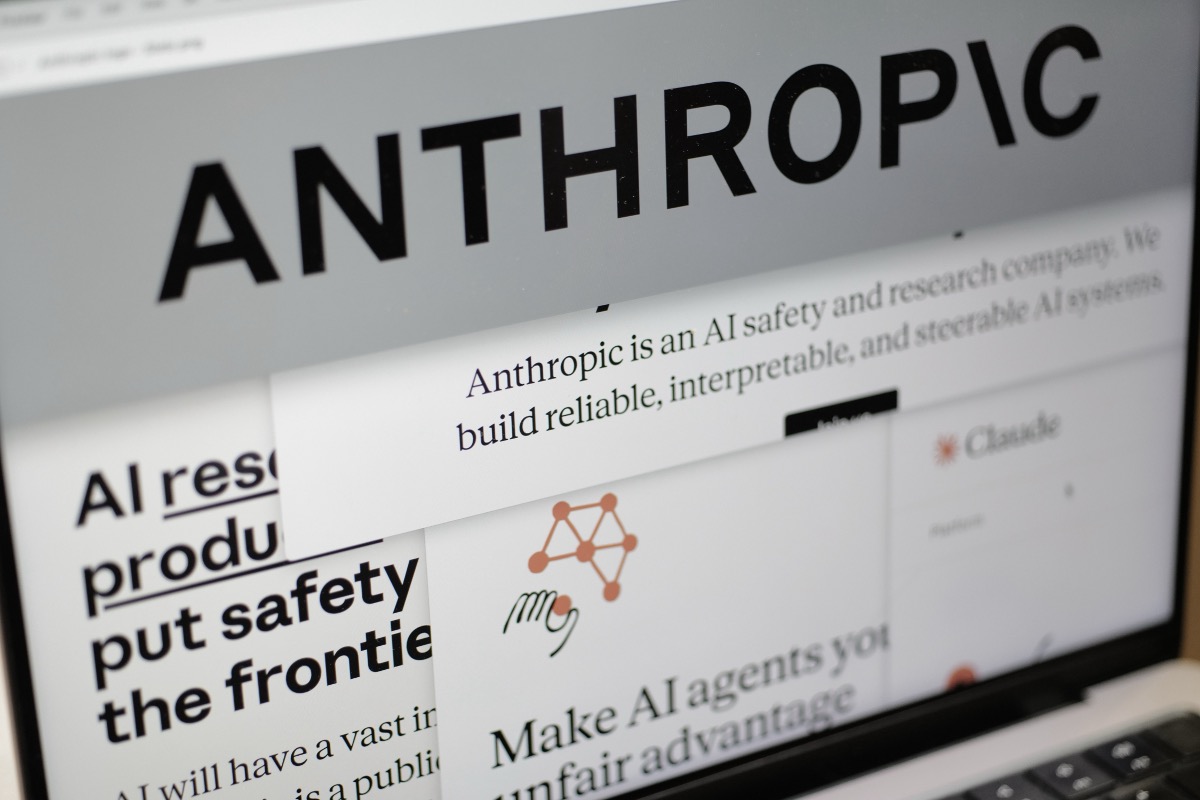
Even the companies leading the charge aren't immune. Anthropic reported an eye-popping $80.7 billion net loss in the first half of 2026 — though much of that was noncash financing-related accounting, not operational bleeding. Still, numbers like that make lawmakers nervous about who's holding the bag if the bubble pops.
The Bailout Question Nobody Wants to Answer
This is where it gets politically interesting. Normally, a bailout fight pits Democrats against Republicans who want to protect business. But here, the lines are blurrier. Some Republicans are reportedly uneasy about the idea of the government owning equity stakes in private AI companies, worried it sets a precedent for picking winners and losers — or worse, socializing losses if those bets fail.
Democrats' resolution is essentially a preemptive strike: don't let what happened with banks in 2008 happen with AI data centers and chipmakers in 2026 or 2027. The administration's interest in equity stakes complicates that message, since taking a stake could be framed as either smart upside participation for taxpayers or the first step toward an eventual rescue.
What to Watch Next
This debate is just getting started, but it's worth tracking because the AI industry's spending plans are now so large they touch the broader economy — stock markets, pension funds, and government budgets included. If Washington decides AI infrastructure is "too big to fail," that's a policy shift with real consequences for taxpayers, markets, and the tech sector's incentives going forward.
Why it matters
If the AI industry's massive spending bets go wrong, the fallout could hit markets, retirement accounts, and ultimately taxpayers if a bailout or government ownership stake gets involved. This debate is an early signal of how Washington plans to handle the risk behind the AI boom.
Want deals on what you love?
Val finds local offers matched to your interests — free to start.
Meet Val