Alito and Thomas Dissent as Supreme Court Blocks Trump's Mail-In Ballot Rules
The New York Times · September 15, 2026
Key takeaways
- The Supreme Court declined to let Trump-backed mail-in ballot rule changes take effect, keeping existing voting procedures in place for now.
- Justices Alito and Thomas dissented, meaning they would have allowed the new rules to go forward — continuing their long pattern on mail-in voting cases.
- This is a procedural, emergency-docket ruling, not a final decision — the underlying legal fight over mail-in ballots is still ongoing.
What Happened
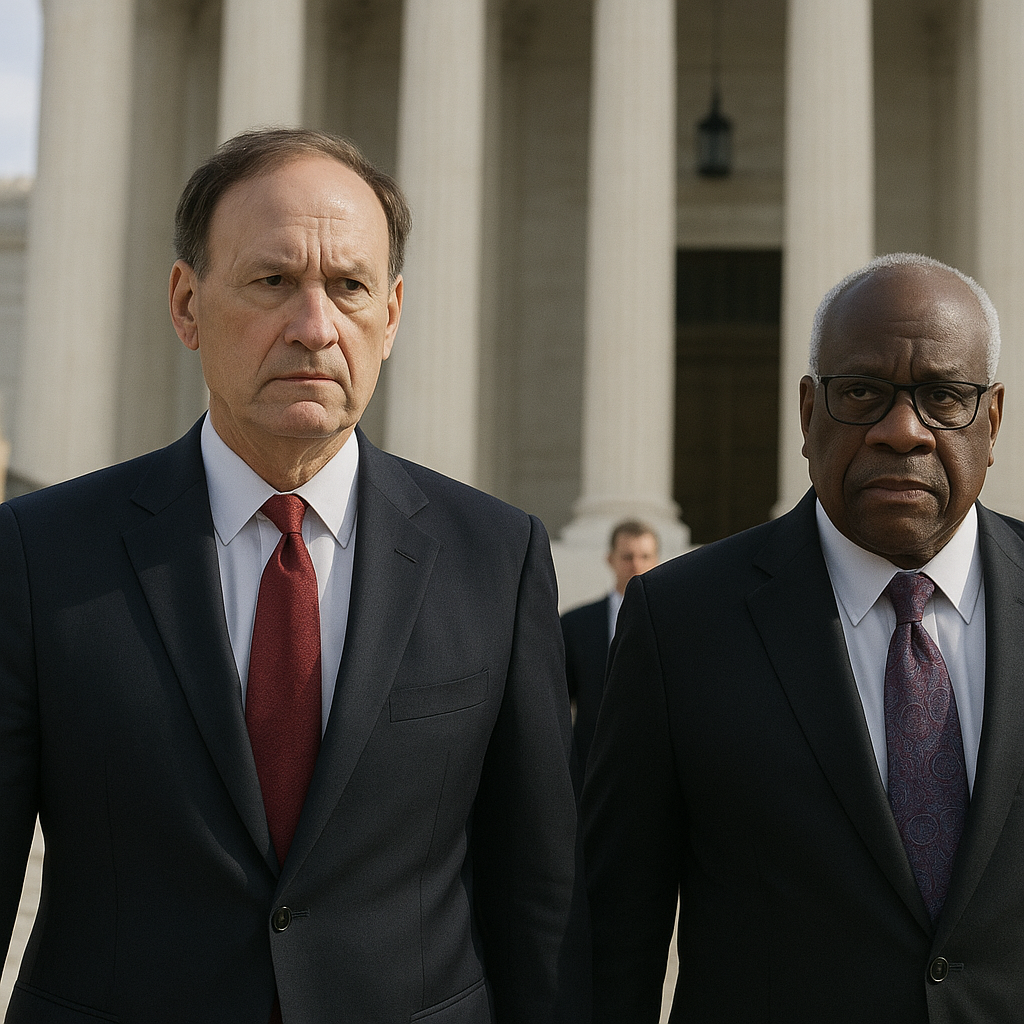
The Supreme Court declined to let a set of Trump-backed mail-in ballot restrictions take effect, but the decision wasn't unanimous. Justices Samuel Alito and Clarence Thomas dissented, signaling they would have allowed the rules to stand while litigation continued. The case adds to a growing pile of election-law disputes making their way through the courts as the 2026 midterms approach.
While the majority didn't issue a lengthy opinion — these emergency-docket rulings rarely do — the dissent from Alito and Thomas is notable because it shows a real ideological split on the Court over how much deference judges should give to state and federal actors trying to change voting procedures close to an election.
Why Two Justices Broke Off
Alito and Thomas have a long track record of favoring judicial restraint when it comes to blocking election rules mid-cycle, often citing the "Purcell principle" — the idea that courts shouldn't change voting rules too close to an election, even if those rules are legally shaky. Ironically, that same principle is usually invoked to leave existing rules alone, not to let new restrictions take effect. Their dissent suggests they viewed the mail-in ballot changes differently, perhaps seeing them as clarifying rather than disruptive.
This isn't a one-off. Alito and Thomas have consistently sided with efforts to tighten mail-in and absentee voting access in cases stretching back to 2020. Their dissent here keeps that pattern intact, even as the broader Court has moved more cautiously.
Why It Matters for Voters
For now, the practical effect is that Trump's proposed mail-in ballot rules do not take effect. States and counties can proceed under existing procedures. But the underlying legal fight isn't over — this was a procedural ruling, not a final decision on the merits. Expect the case to keep moving through lower courts, with the possibility it lands back at the Supreme Court for a full merits review before future elections.
The 2-justice dissent also matters as a signal. It tells election lawyers, state officials, and campaign strategists on both sides which way the wind might blow if a similar case returns with a fuller record. A dissent today can be a roadmap for arguments tomorrow.
What to Watch Next
Keep an eye on how lower courts handle the underlying case now that the emergency request has been resolved. Also watch whether other states test similar mail-in ballot restrictions, betting that this Supreme Court might eventually side with the Alito-Thomas view if the issue returns with more justices willing to engage on the merits rather than just the emergency docket.
Why it matters
If you vote by mail or rely on absentee ballots, court fights like this directly shape the rules you'll follow in upcoming elections. Even a split, non-final ruling shows where the Supreme Court might land if a bigger case on mail-in voting comes back around.
Want deals on what you love?
Val finds local offers matched to your interests — free to start.
Meet Val