AMD RX 9050 vs RTX 5050: Why AMD's New Budget GPU Trails NVIDIA (For Now)
tweaktown · July 31, 2026
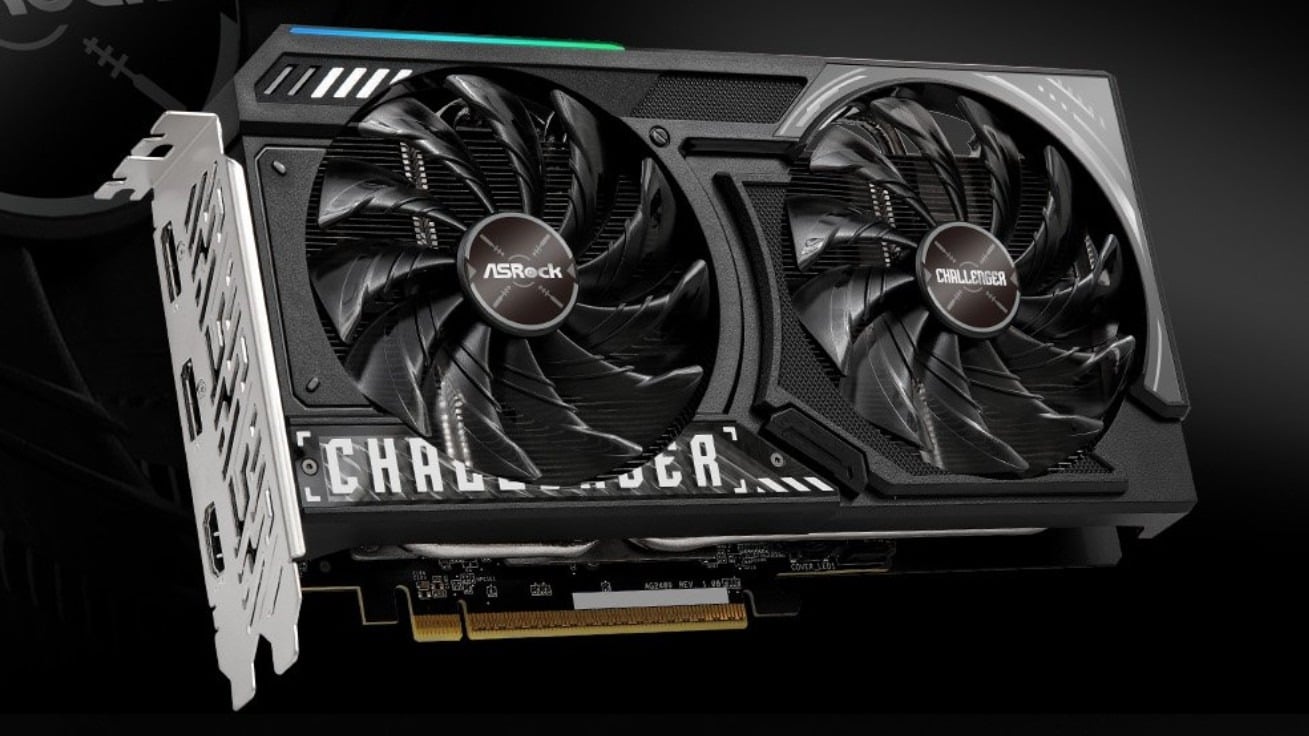
Key takeaways
- AMD's RX 9050 underperformed NVIDIA's RTX 5050 in its first independent review, but early driver immaturity is a likely factor.
- Budget GPUs are judged on price-to-performance value, not just raw benchmark wins — pricing details will matter as much as speed.
- AMD has a history of closing performance gaps through post-launch driver updates, so early results shouldn't be treated as final.
What Happened AMD's newest budget graphics card, the RX 9050, just went through its first independent review — and the early verdict isn't the win AMD fans were hoping for. In head-to-head testing against NVIDIA's RTX 5050, the RX 9050 came up short in performance. But before you write it off, there's important context that changes how you should read those numbers.
Why It's Lagging (And Why That's Not the Whole Story) First reviews of budget-tier GPUs almost never tell the full story. Entry-level cards like the RX 9050 typically launch with less mature drivers than their flagship siblings, meaning a chunk of the performance gap reviewers are seeing right now is likely software-related, not silicon-related. AMD has a long track record of squeezing out meaningful performance gains through driver updates in the months following a budget card's launch — something NVIDIA's RTX 5050, which has had more time on the market, doesn't need as urgently.
There's also the pricing angle. Budget GPUs live and die by dollar-per-frame value, not raw benchmark supremacy. If the RX 9050 comes in at a lower price than the RTX 5050, a modest performance deficit might not matter much to someone building a budget gaming rig or a home office PC that just needs to run modern games at 1080p.
What This Means for the Budget GPU Market The entry-level GPU segment has quietly become one of the most competitive corners of the graphics card world. With more gamers priced out of $600+ flagship cards, both AMD and NVIDIA are fighting hard for the sub-$250 buyer. A single early review loss doesn't settle that fight — it's one data point in what's likely to be months of comparisons, driver patches, and price adjustments from both companies.
What You Should Know Before Buying If you're shopping for a budget GPU right now, don't make a decision off one review cycle. Wait for a broader spread of benchmarks across multiple games and resolutions, and pay attention to driver update patch notes over the following weeks. Pricing at retail — not MSRP — will also matter more than a few frames-per-second difference in review charts.
Bottom line: AMD's RX 9050 trailing NVIDIA's RTX 5050 in round one isn't shocking, and it isn't necessarily a verdict on the card's long-term value. Budget GPU races are marathons, not sprints — and this one's just getting started.
Why it matters
If you're shopping for an affordable graphics card, this comparison directly affects which GPU gives you the best value for your money. Understanding why early reviews can be misleading helps you make a smarter purchase instead of reacting to one benchmark chart.
Want deals on what you love?
Val finds local offers matched to your interests — free to start.
Meet Val