ASE Technology: How AI Chip Demand Is Fueling a New Growth Cycle
Seeking Alpha · September 25, 2026
Key takeaways
- ASE Technology is benefiting from rising demand for advanced chip packaging tied directly to AI accelerator production.
- AI chips require complex packaging (2.5D/3D, flip-chip) that commands higher margins than traditional packaging work.
- The trend positions ASE as a less obvious but important beneficiary of the broader AI infrastructure buildout.
What's Happening ASE Technology Holding, the world's largest semiconductor packaging and testing company, is stepping into a fresh growth phase as AI chip demand reshapes the industry. Analysts point to surging orders for advanced packaging solutions like flip-chip and 2.5D/3D integration — the exact technologies that power the high-bandwidth chips inside AI servers and data centers.
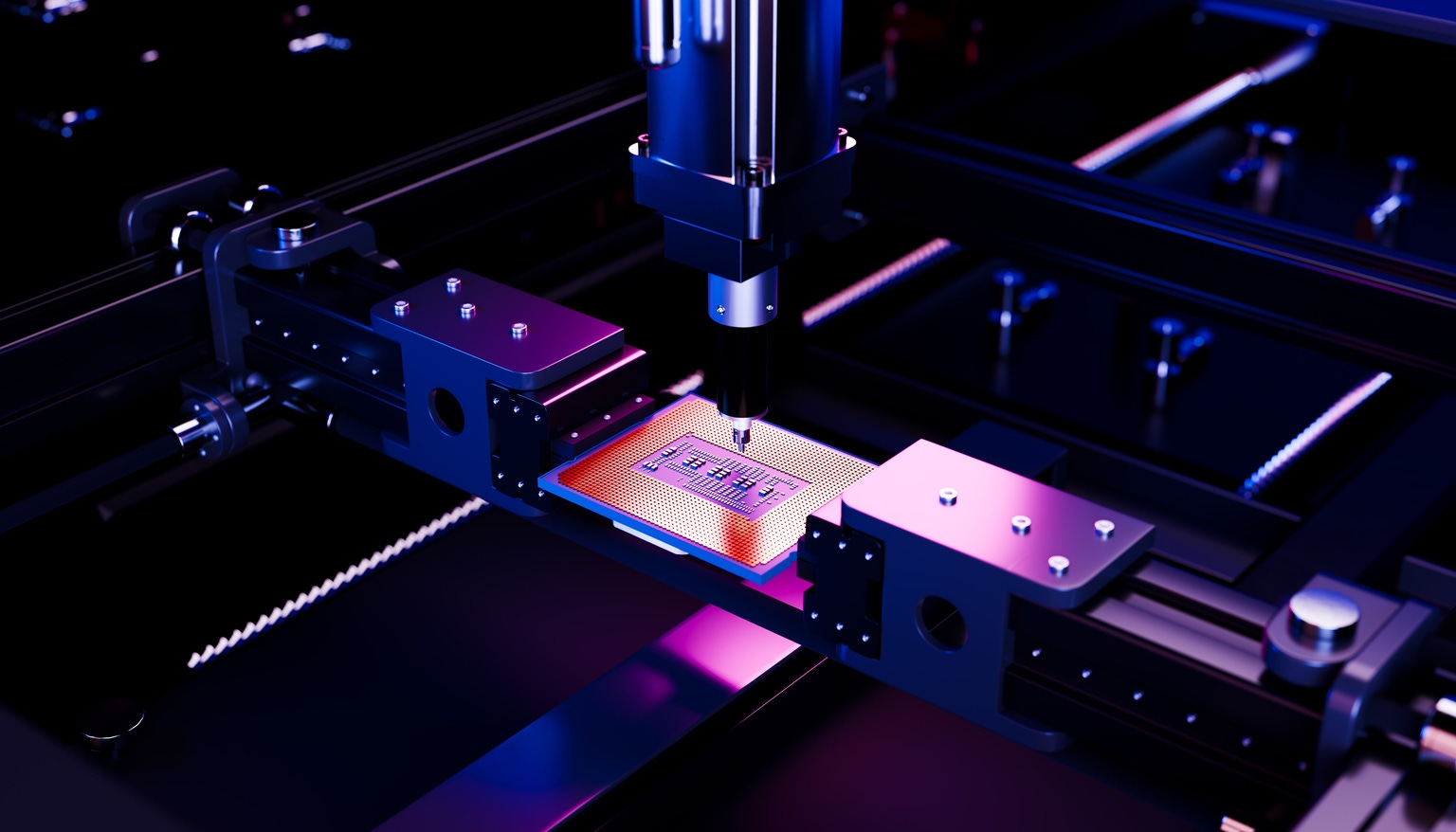
Unlike the flashier chip designers grabbing headlines, ASE plays a quieter but critical role: it's the company that packages and tests the silicon after it comes off the fab line. As AI chips get more complex, packaging becomes a bottleneck — and a bigger revenue opportunity — for companies like ASE.
Why AI Is Changing the Math Traditional chip packaging was mostly about protecting and connecting a single die. AI accelerators need something more sophisticated: multiple chiplets stacked or bundled together to move data faster and handle intense heat loads. That's pushing customers toward premium, higher-margin packaging services, which analysts say is a meaningful tailwind for ASE's revenue mix.
This matters because packaging has historically been viewed as a lower-margin, commoditized part of the semiconductor supply chain. AI demand is flipping that script, turning advanced packaging into a strategic chokepoint that companies are willing to pay up for.
What Analysts Are Watching The bull case centers on ASE's capacity expansion and its position as a go-to partner for AI chip customers who can't get enough advanced packaging capacity elsewhere. As AI server demand keeps climbing, that scarcity could support pricing power and margin expansion over the next several quarters.
The risk side isn't ignored, though. Semiconductor cycles are notoriously volatile, and packaging capex is expensive. If AI demand cools or customers diversify across more packaging vendors, growth could normalize faster than optimists expect. There's also competitive pressure from other packaging players racing to build out similar advanced capabilities.
The Bigger Picture ASE's story is part of a broader shift happening across the chip industry: AI isn't just boosting demand for the chips themselves, it's rippling through every layer of the supply chain — including the less glamorous steps like packaging and testing. For investors tracking the AI infrastructure trade beyond Nvidia and the usual chip designers, companies like ASE represent a different, arguably underappreciated way to play the same trend.
As AI workloads keep scaling in size and complexity, the demand for sophisticated packaging isn't likely to slow down anytime soon — which is exactly why analysts are calling this a new growth phase rather than a temporary bump.
Why it matters
If you're watching the AI trade beyond the obvious chip designers, packaging and testing companies like ASE show how demand ripples through the entire semiconductor supply chain. It's a reminder that AI's economic impact extends well past the headline names.
Want deals on what you love?
Val finds local offers matched to your interests — free to start.
Meet Val