Bahrain Says Iran Hit Industrial Site as Tankers Struck in Hormuz
naharnet · November 22, 2026
Key takeaways
- Iran struck a civilian industrial facility in Bahrain, causing a fire with no reported casualties, ending weeks of relative calm.
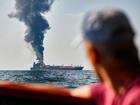
- Two tankers were hit in the Strait of Hormuz, a critical waterway carrying about one-fifth of global oil pre-war, as the U.S. escorts ships through the region.
- Qatar is actively mediating talks with Iran, keeping a diplomatic channel open even as military strikes continue.
What Happened
Bahrain says Iran launched strikes on its territory this week, hitting a civilian industrial facility and sparking a fire that authorities are still working to contain. Residents reported smoke rising over Sitra Island, an east coast hub packed with industrial sites, including a refinery operated by state oil company Bapco. No casualties have been reported, but the damage marks the end of a weeks-long lull in a conflict that kicked off with U.S.-Israeli strikes on Iran back in late February.
Iran's Revolutionary Guards confirmed the operation, saying they targeted U.S. military positions at Bahrain's Al-Riffa and Awali bases with missiles and drones, specifically claiming to have hit two radars tied to U.S. Army Patriot air defense systems. Iran also warned that any future violation of its airspace would get a harsh and decisive response.
Why the Strait of Hormuz Is the Real Flashpoint
While Bahrain took direct hits, the bigger story is unfolding in the Strait of Hormuz, where two tankers were struck amid Iran's ongoing effort to choke off the waterway. This strait isn't just another shipping lane — before the war, it carried roughly one-fifth of the world's oil. That makes it one of the most economically sensitive chokepoints on the planet, and Iran appears to be leaning on that leverage as the conflict grinds on.
The U.S. military isn't sitting back either. It's actively escorting ships through Hormuz to keep commercial traffic moving, while simultaneously running its own counterblockade against Iranian ports. That's a tense standoff happening in real time, with both sides trying to control the flow of oil and signal strength without fully tipping into broader war.
Is Diplomacy Still Alive?
Despite the strikes, there's a diplomatic thread still hanging on. Iranian Deputy Foreign Minister Kazem Gharibabadi confirmed that a Qatari delegation visited Tehran and held two hours of talks. Foreign Minister Abbas Araghchi described the talks as ongoing, though he stopped short of offering specifics on what's being discussed or whether a resolution is close.
Qatar has positioned itself as a key mediator in this conflict, and its continued involvement suggests all parties still see some value in keeping a diplomatic channel open — even as missiles and drones fly. Whether that translates into a real de-escalation or just buys time remains to be seen.
What to Watch Next
Keep an eye on three things: whether Bahrain faces further strikes, how the U.S. responds to attacks on its bases, and whether tanker traffic through Hormuz slows down enough to spike global oil prices. Any of those could shift this from a regional flashpoint into a much bigger global economic story.
Why it matters
Attacks in the Strait of Hormuz and on Gulf allies like Bahrain threaten to disrupt global oil supply and push prices higher, affecting gas costs and markets worldwide. This is also a test of whether U.S.-backed diplomacy can prevent a wider regional war.
Want deals on what you love?
Val finds local offers matched to your interests — free to start.
Meet Val