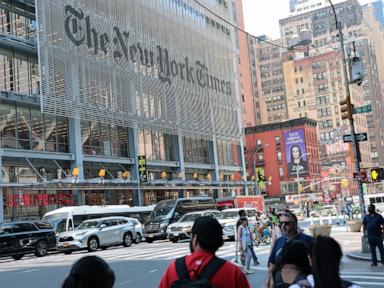
DOJ Withdraws Subpoenas Targeting New York Times Journalists
ABC News · July 23, 2026
Key takeaways
- DOJ agreed to withdraw subpoenas seeking NYT journalists' testimony and phone records after a federal judge threatened to quash them.
- Prosecutors admitted they skipped required investigative steps before issuing subpoenas, a legal misstep per 2nd Circuit rules protecting journalists.
- DOJ says its leak investigation continues and it may seek new subpoenas later, keeping the legal fight from being fully resolved.
What Happened The Department of Justice backed down Thursday, agreeing to withdraw subpoenas that sought to force New York Times journalists to testify about their confidential sources and hand over phone records. The move came after U.S. District Judge Arun Subramanian made clear he'd quash the subpoenas himself if DOJ didn't act first, calling it "a matter of basic compliance with the law."
NYT attorneys had pushed back hard, arguing the subpoenas were less about legitimate investigation and more about retaliating against reporters whose coverage had reportedly frustrated President Trump. Sean Buckley, chief counsel to the U.S. Attorney for the Southern District of New York, told the court prosecutors were "prepared unilaterally to withdraw the subpoenas at this time" — while leaving the door open to try again down the road.
The Procedural Problem What really caught the judge's attention wasn't just the subpoenas themselves, but the order in which DOJ pursued them. Buckley admitted in open court that prosecutors served the subpoenas before completing initial investigative steps — a sequencing requirement laid out by the 2nd U.S. Circuit Court of Appeals specifically to protect journalists from being an investigation's first stop rather than its last resort.
Judge Subramanian didn't hide his skepticism, asking pointedly, "Doesn't that turn the law and regulations on its head? Subpoenas are the last step, not the first step." Buckley insisted there was no attempt to "pull a fast one" on the court, chalking it up to moving too fast. He also owned up to a separate error: subpoenas had improperly reached toward records tied to journalists' family members, which he called "a consequence of trying to move too quickly."
What Comes Next Despite the walk-back, this isn't necessarily over. DOJ signaled it may return to court seeking new subpoenas down the line, and a Justice Department spokesperson issued a statement after the hearing rebuking the judge while insisting the government's broader leak investigation remains active. Press freedom advocates and media law experts will likely watch closely for round two.
Why This Case Stands Out Subpoenas targeting journalists' sources and phone records are rare precisely because they threaten the confidential source relationships that make investigative journalism possible. When courts require that subpoenas be a true last resort — not a shortcut — it's meant to prevent exactly the kind of overreach the judge flagged here. This case is a reminder that press protections, while not absolute, still carry real legal teeth when tested in court.
Why it matters
This case tests how far the government can go in pursuing journalists' sources and raises real press freedom questions. If subpoenas can be used to intimidate reporters, it affects the public's access to accountability journalism more broadly.
Want deals on what you love?
Val finds local offers matched to your interests — free to start.
Meet Val