Epstein Survivor Roza Gilles Speaks Out: 'I Thought No One Would Stop Him'
thewrap · July 21, 2026
Key takeaways
- Model Roza Gilles publicly detailed years of abuse by Jeffrey Epstein in a CNN interview with MJ Lee.
- She says she believed Epstein's powerful connections would prevent the government from ever stopping him.
- Her testimony adds to the ongoing public reckoning over Epstein's network and the institutions that enabled him.
A Survivor Steps Forward
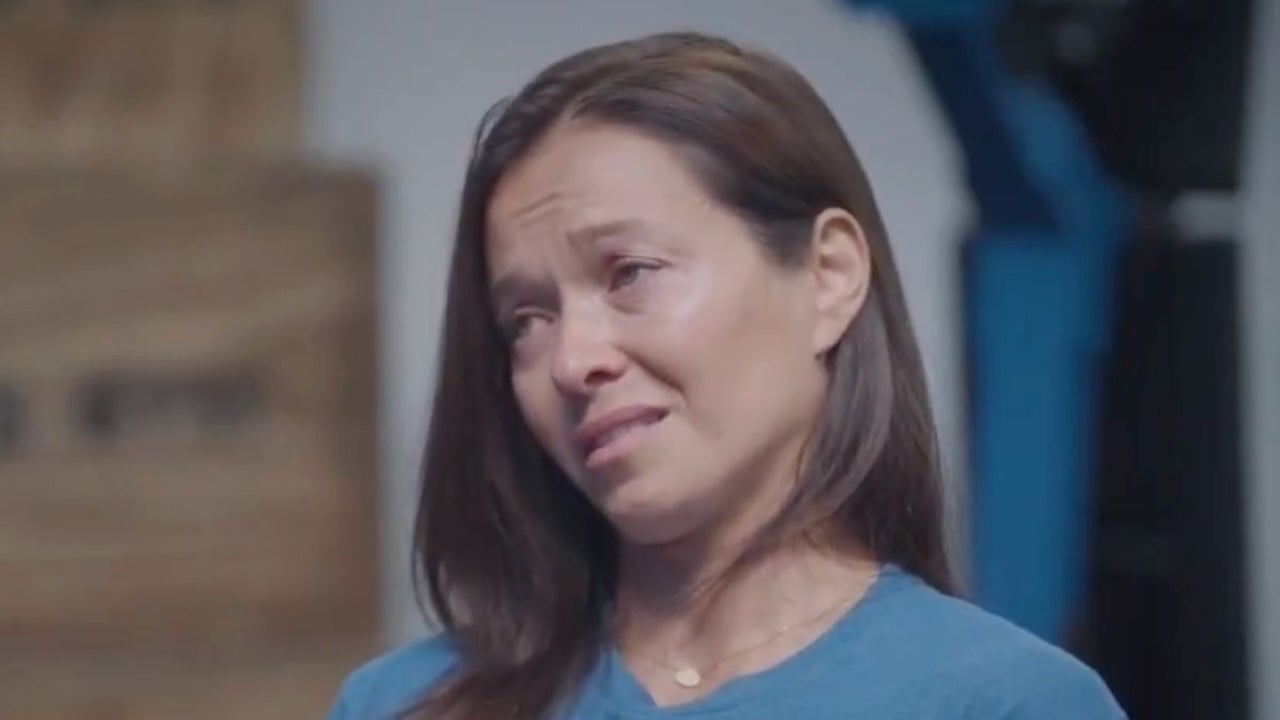
Roza Gilles, a model who says she was abused by Jeffrey Epstein, has gone public for the first time, sitting down with CNN's MJ Lee to describe years of trauma and a bleak certainty that no one in power would ever hold Epstein accountable. Her account adds another firsthand voice to the growing public record of how Epstein operated — and how long he operated without consequence.
How She Was Drawn In
Gilles described a path that will sound familiar to those who've followed Epstein survivor testimony: an entry into modeling that led her to an agency with direct ties to Epstein's network. That connection eventually routed her to West Palm Beach, Florida, for a photo shoot at Epstein's mansion — the same property that's become synonymous with his abuse of young women and girls. It's a reminder that Epstein's operation wasn't hidden in shadows; it was embedded in industries that gave him access and credibility.
'I Will Never Be Able to Move On'
The most striking part of Gilles' interview isn't just the abuse itself — it's the despair she describes over ever seeing justice. She says she genuinely believed the government would never stop Epstein, a belief rooted in his well-documented connections to powerful figures and his history of skating past accountability, including a controversial 2008 plea deal that survivors and advocates have criticized for years as far too lenient. Gilles says the psychological toll persists: "I will never be able to move on from this, no matter how hard I try."
Why This Interview Matters Now
Epstein died in 2019 while awaiting trial on federal sex trafficking charges, but the fallout — congressional inquiries, document releases, and survivor lawsuits — has continued for years. Every new survivor who comes forward publicly adds pressure on institutions to answer for what they knew and when. Gilles speaking out now, years after Epstein's death, underscores that for survivors, the case never really closed — it just moved out of headlines.
What Comes Next
Gilles' interview is part of an ongoing wave of survivor accounts as investigations into Epstein's associates and enablers continue to unfold. Advocacy groups have pushed for full transparency around Epstein-related files, and survivor testimony like this keeps that pressure alive in the public conversation, even as legal proceedings against other alleged associates move slowly through the courts.
Why it matters
Survivor accounts like this keep pressure on institutions to fully account for the Epstein case, years after his death. It's a reminder that public accountability and healing for survivors remain unfinished business.
Want deals on what you love?
Val finds local offers matched to your interests — free to start.
Meet Val