Iran's Guard Claims Mines Stopped Two Tankers in Strait of Hormuz
naharnet · October 20, 2026
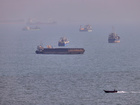
Key takeaways
- Iran's IRGC Navy claims it used naval mines to stop two tankers at an unauthorized crossing point in the Strait of Hormuz.
- The claim is unverified so far — no independent confirmation of the tankers' identity, damage, or casualties has emerged.
- The Strait of Hormuz carries roughly a fifth of global oil supply, so any disruption there tends to move oil prices and raise shipping risk fast.
What Happened
Iran's Islamic Revolutionary Guard Corps (IRGC) Navy says it used naval mines to stop two oil tankers trying to pass through an "illegal" crossing point in the southern Strait of Hormuz. According to a statement on the Guard's official Sepah News site, the vessels caught fire and were halted after the mines detonated. Iran accused the tankers of attempting to circumvent routes it considers unauthorized through the strait.
No independent confirmation has emerged yet on the tankers' identity, flag, cargo, or casualties. Details remain limited to Iran's own account, which is typical in early reporting on Hormuz incidents — a chokepoint where claims and counter-claims move fast and verification lags behind.
Why the Strait of Hormuz Matters
The Strait of Hormuz is one of the most critical waterways on Earth. It's the narrow passage between Iran and Oman that roughly a fifth of the world's oil supply moves through daily. Any disruption here — real or threatened — tends to ripple instantly into oil prices, shipping insurance rates, and geopolitical tension across the Gulf.
Iran has used the strait as leverage before, through naval exercises, seizures of commercial vessels, and statements about closing or restricting passage. Mining claims like this one escalate that pattern because mines are indiscriminate — they threaten any vessel, not just ones Iran is specifically targeting, which makes shipping companies and insurers extremely nervous.
What We Still Don't Know
This story is developing, and a few things are unclear: which countries the tankers were from, whether crews were injured, what cargo they carried, and whether any other nation's navy responded. Iran's IRGC statement is the only source right now, and state military statements in this region are often amplified for strategic signaling as much as factual reporting.
What to Watch Next
Keep an eye on three things over the coming days: oil price movement (Hormuz disruptions typically spike Brent crude futures quickly), statements from the U.S. Navy's Fifth Fleet or other Gulf-based forces, and whether shipping insurers raise war-risk premiums for vessels transiting the strait. If this escalates into broader naval activity or retaliation, expect rapid follow-up coverage.
The Bigger Picture
This incident lands amid a long-running pattern of friction in the Gulf — tanker seizures, drone incidents, and naval posturing between Iran and Western-aligned shipping interests. Even unverified claims from the IRGC tend to move markets and diplomatic channels, because the cost of being wrong about Hormuz security is too high to ignore.
Why it matters
The Strait of Hormuz is a linchpin of global energy supply, and incidents here can quickly affect oil prices and shipping costs worldwide. If you follow energy markets, geopolitics, or global trade, this is a flashpoint worth watching closely.
Want deals on what you love?
Val finds local offers matched to your interests — free to start.
Meet Val