Iran Launches Missiles at U.S. Targets, Closes Strait of Hormuz Again
kswt · July 12, 2026
Key takeaways
- Iran launched missiles and drones at U.S. facilities in Gulf states on Sunday, marking an escalation in an ongoing cycle of strikes.
- Iran also closed the Strait of Hormuz again, a critical waterway that carries roughly 20% of the world's oil supply.
- The full scope of damage, casualties, and any U.S. response are still developing — expect more updates soon.
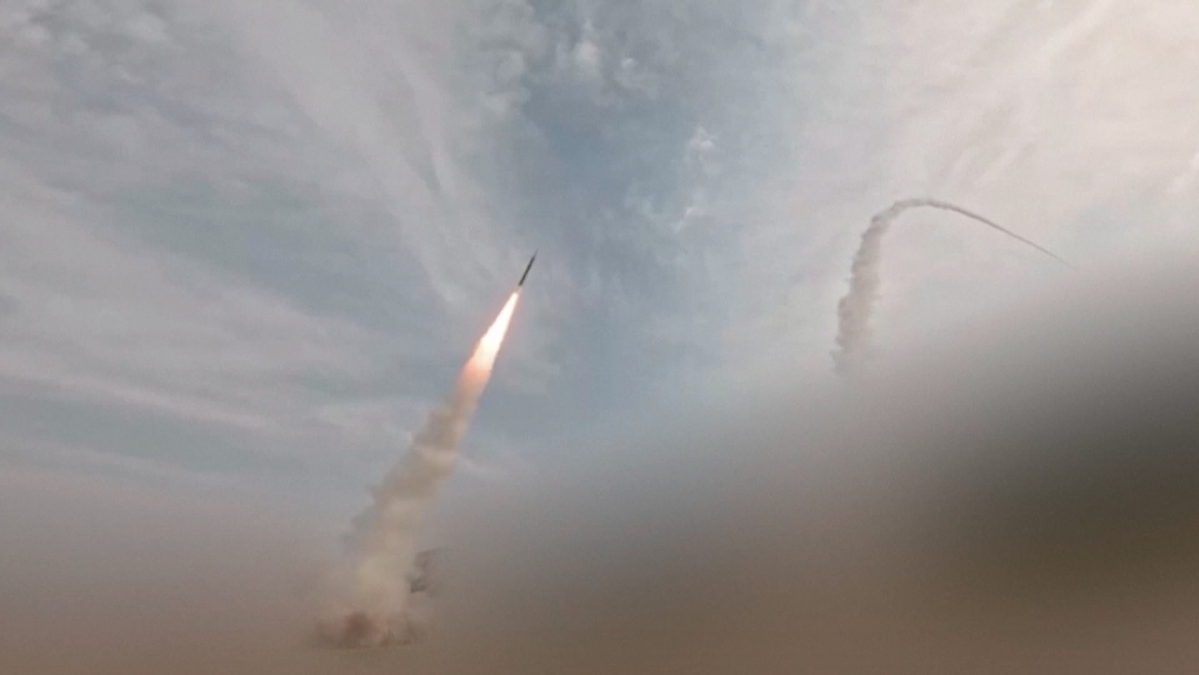
What Happened U.S. and Iranian forces exchanged heavy missile and drone fire on Sunday, with Tehran targeting American facilities in Gulf states. Iran also announced it had once again closed the Strait of Hormuz, one of the most critical shipping corridors on the planet. Iran's Islamic Revolutionary Guard Corps said the strikes were launched in response to what it called 'aggression of the American army.'
This wasn't an isolated incident. It's the latest round in an ongoing cycle of attacks and counter-attacks between the U.S. and Iran, but officials note this barrage was noticeably bigger in scale and wider in range than previous exchanges — a sign the conflict is escalating rather than cooling off.
Why the Strait of Hormuz Matters If you've never heard of it, the Strait of Hormuz is the narrow waterway between Iran and Oman that roughly a fifth of the world's oil supply passes through daily. When Iran closes or threatens the strait, it's not just a regional story — it's a global one. Disruptions here tend to ripple almost immediately into oil prices, shipping insurance costs, and eventually what you pay at the pump.
Iran has used the strait as leverage before, opening and closing access as tensions with the U.S. rise and fall. This latest closure, paired with direct strikes on U.S. facilities, suggests Tehran is trying to assert more control over the region's most valuable shipping lane while sending a message to Washington.
What We Don't Know Yet Details are still emerging on the scope of the damage, casualties, and how the U.S. plans to respond. Given the pattern of escalation, more developments — including a potential American counter-strike — are likely in the days ahead. This is a fast-moving situation, and official statements from the Pentagon, State Department, or Iranian government could shift the picture quickly.
What to Watch Next Keep an eye on a few things: oil and gas price movement, U.S. military statements about retaliation, and any diplomatic moves from allies or the UN. If the Strait of Hormuz stays closed for an extended period, expect the economic effects to show up well beyond the Middle East.
We'll keep tracking this as more verified details come in.
Why it matters
Escalation between the U.S. and Iran, especially involving the Strait of Hormuz, can quickly affect global oil prices and everyday costs like gas. It's also a fast-developing geopolitical situation worth watching closely for potential wider conflict.
Want deals on what you love?
Val finds local offers matched to your interests — free to start.
Meet Val