Isaias Weakens to Post-Tropical Cyclone, Still Soaking the South
m · October 10, 2026
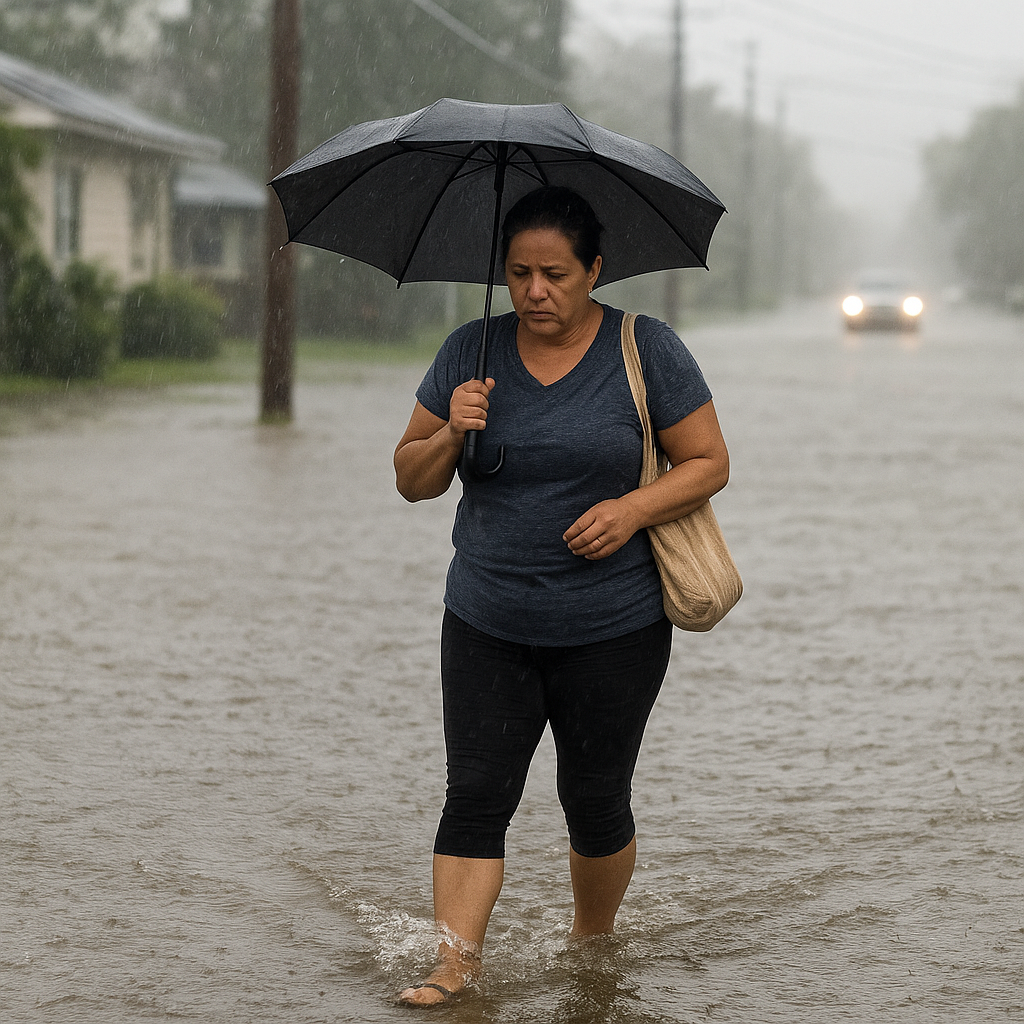
Key takeaways
- Isaias has weakened to a post-tropical cyclone but is still producing heavy, widespread rain across the southern U.S.
- Post-tropical systems often cause more flooding risk than wind damage due to slower movement and spread-out rainfall.
- Residents should prioritize flood safety — avoiding flooded roads and monitoring local alerts — over tracking the storm's official category.
What Happened Isaias has officially lost its tropical storm status and is now classified as a post-tropical cyclone — but don't let the downgrade fool you. The system is still dragging heavy rain, gusty winds, and flooding risk across the southern United States. Weakening doesn't mean the storm is done causing problems; it just means the structure has changed.
Why 'Post-Tropical' Doesn't Mean Harmless When a storm transitions to post-tropical, it means it's lost the warm-core characteristics that define a tropical system — but it can still pack a serious punch. Post-tropical systems often spread out, slow down, and dump prolonged rainfall over wider areas instead of concentrated wind damage near a core. That's exactly the pattern playing out here: soaking rain across multiple southern states rather than one isolated impact zone.
The Real Risk: Flooding The biggest concern with a weakened system like this isn't wind — it's water. Slow-moving post-tropical remnants are notorious for stalling over the same areas for hours or even days, overwhelming drainage systems, swelling rivers, and triggering flash flood warnings well inland. Low-lying neighborhoods, areas near creeks and rivers, and regions that have already seen wet weather this season are most vulnerable.
What Residents Should Watch For Even as official alerts get downgraded, local emergency management offices typically keep flood watches and warnings active. Residents in the storm's path should: - Monitor local river and flood gauges, not just the storm's category - Avoid driving through standing or moving water - Watch for localized power outages from saturated ground and falling trees - Stay tuned to local forecasts since rain bands can shift unexpectedly
The Bigger Pattern This kind of transition — tropical storm to post-tropical soaker — has become a familiar story in recent hurricane seasons. Storms are increasingly producing their worst damage not at peak intensity, but in the slow, waterlogged aftermath. It's a reminder that storm categories tell only part of the story; rainfall totals and ground saturation often matter more for day-to-day safety than wind speed labels.
Bottom Line Isaias may no longer carry tropical storm status, but for communities across the southern U.S., the rain — and the risk — hasn't let up. If you're in the region, flood safety matters more right now than tracking the storm's technical classification.
Why it matters
If you're in the southern U.S., a storm's downgrade to 'post-tropical' doesn't mean the danger is over — flooding from heavy, lingering rain is often the bigger threat. Knowing what to watch for can help you stay safe even after the official warnings ease up.
Want deals on what you love?
Val finds local offers matched to your interests — free to start.
Meet Val