Israel Rejects Trump's Gaza Plan: What's Really Happening in the Middle East
aurorasentinel · August 10, 2026
Key takeaways
- Netanyahu rejected Trump's 15-point Gaza deal, insisting Israeli troops stay until Hamas fully disarms — leaving the ceasefire framework in limbo.
- Iran and Oman are reportedly negotiating terms for the Strait of Hormuz, a critical global oil route, with Iran suggesting it could bar vessels from hostile nations.
- Houthi rebels attacked a government-held Yemeni port, raising fears of renewed civil war and further threats to Red Sea shipping.
What Happened
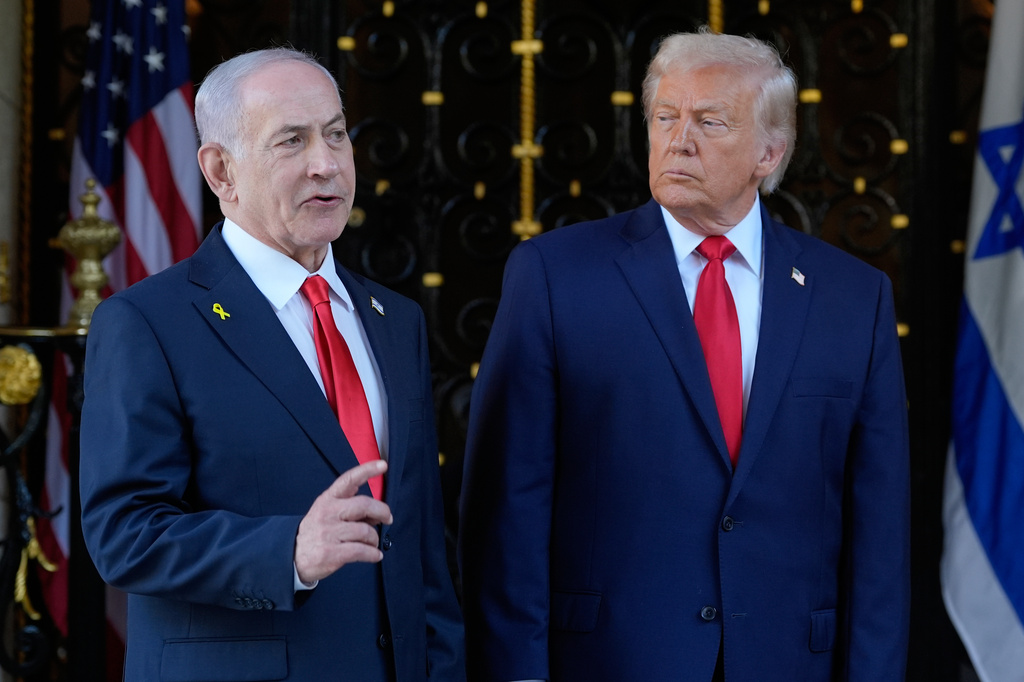
Things just got more complicated in the Middle East. Israeli Prime Minister Benjamin Netanyahu publicly rejected a 15-point Gaza deal announced by President Trump last month, telling his Cabinet that Israeli forces won't withdraw from Gaza until Hamas is "genuinely disarmed." That's a direct pushback on Trump's framework, which called for Israeli forces to pull out as Hamas disarmament wraps up.
Hamas isn't backing down either. A member of the group's political bureau, Bassem Naim, said Hamas remains "committed to the road map" and is counting on mediators and the U.S. to pressure Netanyahu into compliance.
Meanwhile, three other major storylines are unfolding at once:
The Strait of Hormuz Situation
Details are emerging about a potential Iran-Oman arrangement to manage the Strait of Hormuz — one of the world's most critical oil shipping chokepoints. Iran has reportedly suggested that vessels linked to "hostile countries" could be barred from passing through. If that materializes, it's a big deal for global energy markets, since roughly a fifth of the world's oil supply moves through that strait.
Iran's Security Shakeup
On top of the Hormuz talks, Iran shuffled its top security leadership — a move that signals internal recalibration as Tehran navigates both regional tensions and its own negotiating posture with neighbors like Oman.
Houthi Attacks Raise Civil War Fears
In Yemen, Iranian-backed Houthi rebels struck a government-held port on the Red Sea coast. This isn't just a local skirmish — it's raising real concerns about a return to full-blown civil war in Yemen and adds another layer of risk to already-fragile shipping routes in the region.
Why This All Connects
Each of these stories touches the same nerve: control over territory, resources, and shipping lanes that ripple far beyond the Middle East. Netanyahu's rejection of Trump's plan keeps the Gaza ceasefire on shaky ground, with roughly 2 million Palestinians still living in a largely destroyed enclave under partial Israeli military control. Israel heads toward elections on Oct. 27, and Netanyahu is under pressure both at home and from Washington.
The Bottom Line
No single event here is isolated. A stalled Gaza deal, a possible Hormuz shipping arrangement, an Iranian leadership shuffle, and renewed violence in Yemen are all pieces of the same regional puzzle — one where oil markets, ceasefires, and political survival are all on the line at once.
Why it matters
These developments directly affect global oil prices, shipping routes, and the stability of an already fragile Gaza ceasefire. If you follow geopolitics, energy markets, or just want to understand what's driving headlines, this is the throughline connecting several major stories at once.
Source: Aurora Sentinel (Sentinel Colorado)
Want deals on what you love?
Val finds local offers matched to your interests — free to start.
Meet Val