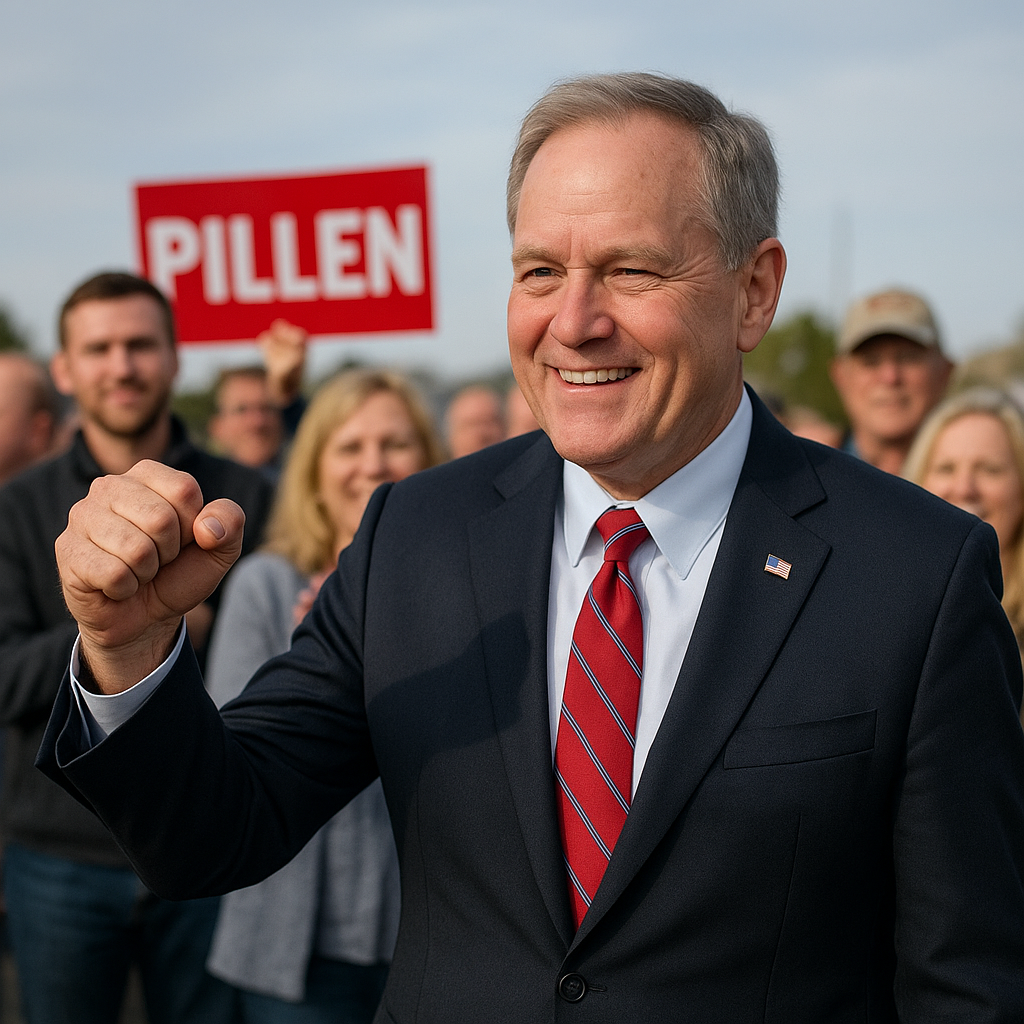
Jim Pillen Wins Reelection as Nebraska Governor: What to Know
wtop · November 4, 2026
Key takeaways
- Republican Jim Pillen won reelection as Nebraska's governor, securing a second term in office.
- Pillen's win continues decades of Republican control over Nebraska's governorship.
- His second term is expected to focus heavily on property tax reform and agriculture-friendly policy.
Pillen Holds Onto the Governor's Mansion
Republican Jim Pillen has won reelection as governor of Nebraska, keeping the state's top office in GOP hands. Pillen, a former University of Nebraska regent and hog farmer turned politician, first won the governorship in 2022, succeeding fellow Republican Pete Ricketts. His reelection extends a long run of Republican control in the Cornhusker State, where Democrats haven't held the governor's office since the 1990s.
Why Nebraska Keeps Leaning Red
Nebraska has become one of the more reliably Republican states in presidential and statewide races, and gubernatorial contests have followed that pattern for decades. Pillen built his first term around an agriculture-friendly, fiscally conservative platform, pushing for property tax relief and backing conservative social policy priorities that resonate with the state's rural and suburban voter base. His reelection suggests those priorities continued to land with Nebraska voters, even amid a national political environment that's been bumpy for incumbents of both parties.
What a Second Term Likely Means
A second term gives Pillen more runway to finish policy fights he started in his first four years, particularly around property tax reform, which has been one of the most contentious and persistent issues in Nebraska politics. It also means continuity in how the state approaches budget priorities, education policy, and agriculture-related regulation, all core issues in a state where farming and ranching remain economic backbones. For Nebraska residents, a reelected governor typically means less disruption in ongoing legislative agendas and appointed leadership across state agencies.
The Bigger Picture
Governor's races like this one are often treated as a pulse check on how voters in individual states feel about incumbent leadership outside of the presidential cycle. Pillen's win adds to the broader map of state-level political control being watched closely by both parties as they look ahead to future national elections. Nebraska's result reinforces its status as a stronghold for Republican statewide candidates, even as other parts of the country see closer, more competitive races.
What to Watch Next
Expect Pillen to use his second term to push forward on tax policy and continue shaping Nebraska's legislative priorities, which could have ripple effects on everything from school funding to agricultural regulation. Keep an eye on how the state legislature, which is officially nonpartisan but leans conservative, works with Pillen on his remaining priorities.
Why it matters
Governor's races shape state-level policy on taxes, education, and agriculture that directly affect residents' wallets and daily life. Pillen's reelection signals continuity in Nebraska's political direction and offers a snapshot of voter sentiment heading into future election cycles.
Want deals on what you love?
Val finds local offers matched to your interests — free to start.
Meet Val