New Mosquito Species Confirmed in the US: What to Know About Aedes amateuri
gizmodo · September 10, 2026
Key takeaways
- Aedes amateuri, a mosquito species first identified in 2019, has been confirmed in the U.S. for the first time, found in Arizona's Sky Islands.
- Researchers don't believe it poses a major increased risk for mosquito-borne disease, unlike more notorious invasive species.
- The discovery highlights ongoing concerns about tracking and preventing the spread of nonnative insect species into new U.S. regions.
A New Bug on the Block
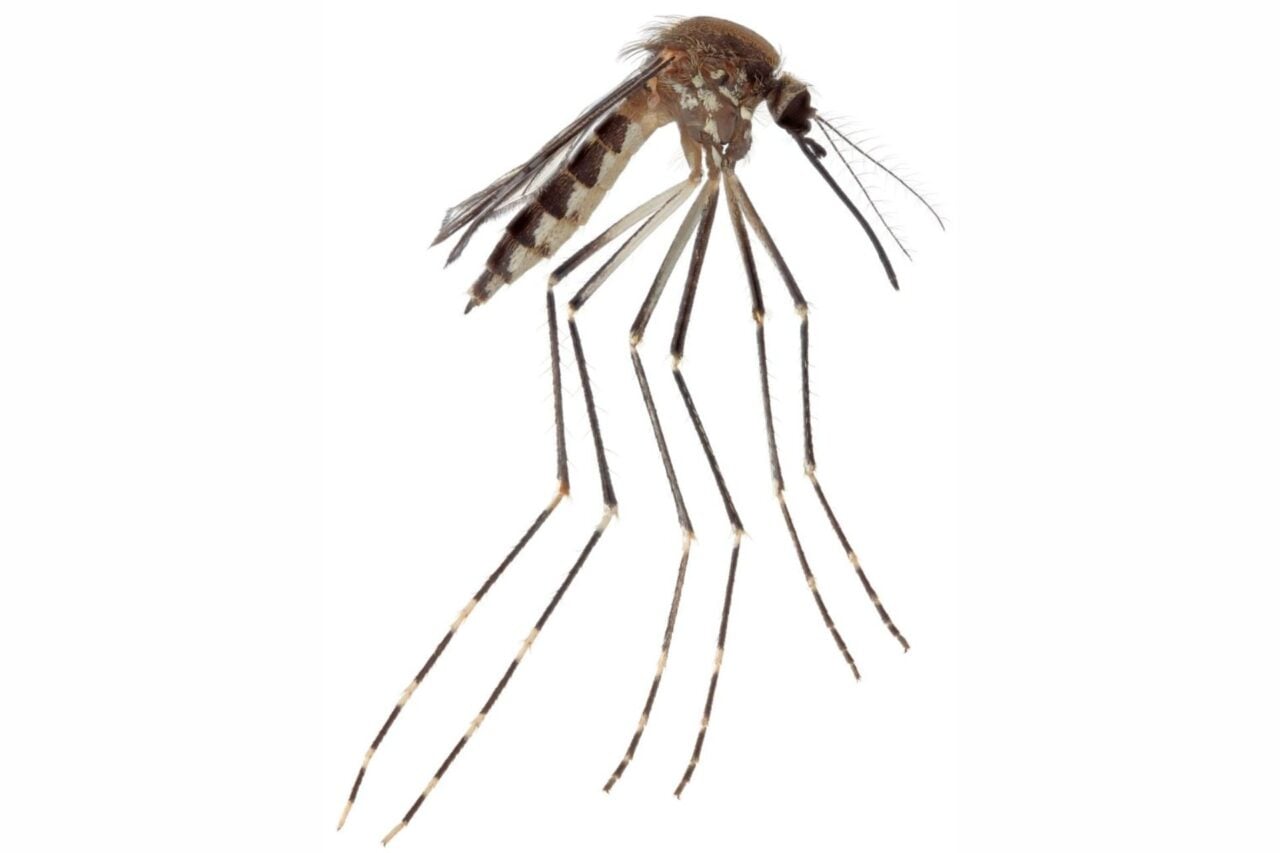
Mosquito season just got a new headline act. Researchers at the University of Florida have officially confirmed that *Aedes amateuri*, a mosquito species first discovered in 2019, has made its way into the United States for the first time. Previously, this species was only known to live in parts of northeastern Mexico. Now it's turned up in southeastern Arizona's Sky Islands — a chain of isolated mountain ranges surrounded by desert that's become a hotspot for unusual biodiversity.
Scientists collected one specimen from the Santa Rita Mountains and 19 more from the Dragoon Mountains, confirming the species through both physical traits and genetic testing. The findings were published in the Journal of Medical Entomology, and researchers believe the mosquito may have already crossed into New Mexico too.
Should You Be Worried?
Here's the good news: lead researcher Lawrence Reeves says this particular species isn't expected to significantly raise the risk of mosquito-borne disease for people living in the affected areas. It can bite humans, but it isn't known as a major disease vector the way species like *Aedes aegypti* are.
The bigger concern isn't this mosquito specifically — it's what its arrival represents. Scientists are increasingly finding nonnative mosquito species establishing themselves in new U.S. territory, and each new arrival raises questions about how effectively invasive insects are being detected and tracked before they spread further. Reeves noted that the real priority going forward is catching future introductions early, especially for species that are known to carry dangerous pathogens.
Why Sky Islands Matter
The Sky Islands region where *A. amateuri* was found is a naturally weird and wonderful ecosystem — mountain ranges essentially acting like biological islands, separated by seas of grassland and desert. That isolation has created pockets of unique wildlife, but it also makes the region a place where new species can slip in and go unnoticed for a while before scientists catch up.
Right now, very little is known about how far *A. amateuri* has actually spread, how it's adapting to its new environment, or whether its range will keep expanding. Researchers are continuing to monitor mosquito populations in the area to get a clearer picture.
The Bottom Line
This isn't a five-alarm health emergency — it's more of a heads-up. A new mosquito species is here, it can bite, but it's not currently flagged as a serious disease threat. Still, its appearance is a reminder that insect populations are shifting, and keeping tabs on new arrivals matters more than ever as climate and travel patterns continue to reshuffle where species can survive.
Why it matters
New mosquito species establishing themselves in the U.S. is a signal worth watching, even when the immediate health risk is low. It underscores how ecosystems are shifting and why early detection of invasive insects matters for public health down the line.
Want deals on what you love?
Val finds local offers matched to your interests — free to start.
Meet Val