Oil Executives Warn of a Fuel Crisis — And Diesel Prices Are Proving Them Right
mainstreet · September 23, 2026
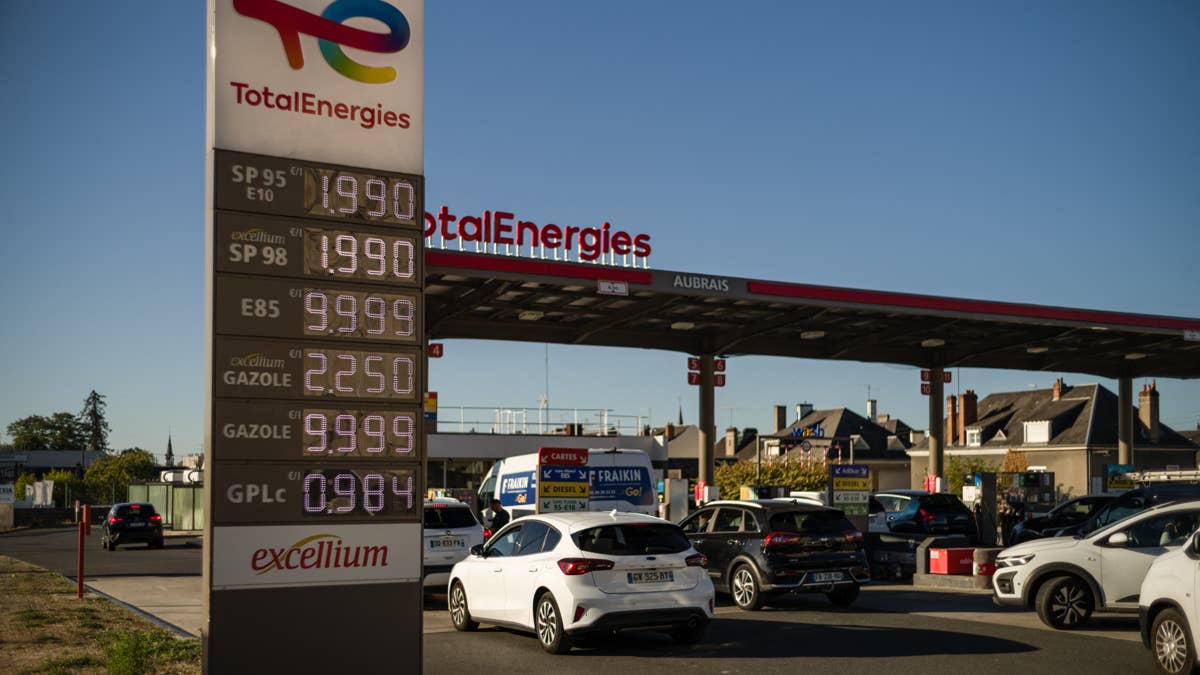
Key takeaways
- Oil executives are publicly calling the diesel supply situation a crisis, citing low inventories and tightening refining capacity.
- Diesel powers the supply chain — trucking, shipping, farming — so higher diesel costs can ripple into broader consumer prices.
- Diesel inventories below seasonal norms make the market more vulnerable to price spikes from any additional disruption.
What's Happening Top oil executives are using the word "crisis" to describe the state of diesel fuel supply, and the market is backing them up. Diesel prices have been climbing as refining capacity tightens, inventories run low, and demand stays stubbornly high. This isn't your typical gas-pump grumble — diesel is the fuel that moves trucks, trains, ships, and farm equipment, which means a squeeze here ripples through nearly every corner of the economy.
Why Diesel Is Different Unlike gasoline, diesel supply issues hit differently because diesel powers the supply chain itself. When diesel gets expensive or scarce, the cost of shipping goods, running construction equipment, and harvesting crops goes up too. Oil executives have pointed to a mix of factors: refineries that have shut down or switched priorities in recent years, sanctions and geopolitical disruptions affecting global crude flows, and diesel inventories sitting well below their seasonal averages in key markets.
The Numbers Behind the Warning Inventory data has been the real tell here. When diesel stockpiles drop below historical norms heading into high-demand seasons — think winter heating oil demand layering on top of trucking and industrial use — prices tend to spike fast because there's little cushion to absorb shocks. Executives from major energy companies have been flagging this exact scenario, warning that the industry's refining capacity hasn't kept pace with long-term demand, especially as older refineries age out without enough new capacity replacing them.
What Could Happen Next If the trend holds, expect diesel prices to stay elevated or climb further, especially if there's any additional disruption — a refinery outage, a hurricane hitting Gulf Coast facilities, or new geopolitical tension affecting crude supply. Higher diesel costs typically show up downstream in the form of pricier freight, which nudges up costs on everything from groceries to online orders. It's the kind of quiet cost increase that doesn't always make headlines but shows up on receipts.
The Bigger Picture This isn't just an oil-industry talking point — it's a signal worth watching if you care about inflation, supply chains, or your own budget. Diesel crunches have historically been early warning signs for broader cost-of-living pressure, since so much of what we buy travels by truck, rail, or ship at some point. Keep an eye on diesel prices at the pump and in freight news; they tend to move before the rest of the economy catches up.
Why it matters
Diesel isn't just a fuel-pump number — it's the backbone of how goods get to store shelves and homes. If this crunch continues, expect it to show up in freight costs and, eventually, in the price of everyday goods.
Want deals on what you love?
Val finds local offers matched to your interests — free to start.
Meet Val