Paramount-Warner Bros. Merger Blocked (For Now) by Judge's Restraining Order
thewrap · July 20, 2026
Key takeaways
- A California judge issued a temporary restraining order pausing the $110B Paramount-Warner Bros. Discovery merger.
- 12 state attorneys general sued, arguing the merger would give the combined company outsized control over theatrical distribution and cable bundles.
- Paramount calls the case weak, pointing to competition from other studios and the ongoing decline of pay TV — but the legal fight is far from over.
The $110 Billion Deal Just Hit a Wall
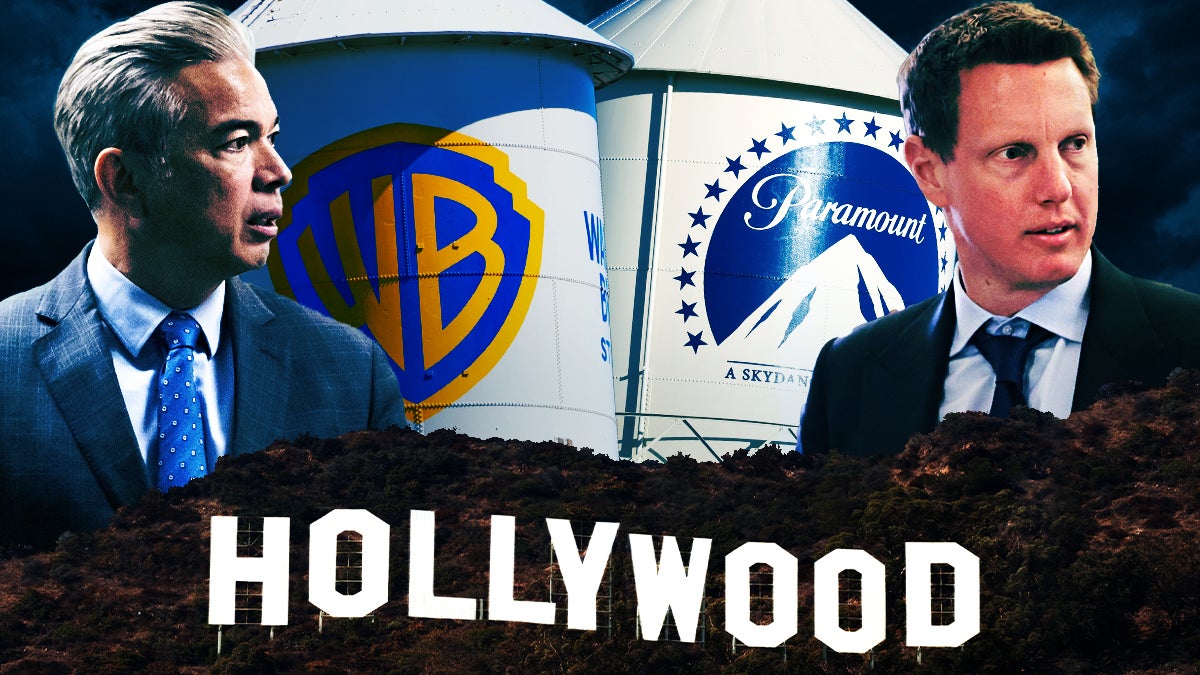
The massive Paramount-Warner Bros. Discovery merger — one of the biggest media deals in years — is now on ice. California Judge Araceli Martínez-Olguín granted a temporary restraining order after 12 state attorneys general sued to block the combination, arguing it would create an entertainment giant with way too much control over what you watch and how much you pay for it.
This isn't a final ruling. It's a pause button. But it's a meaningful one, and it signals the court took the states' concerns seriously enough to freeze things while the case plays out.
Why the States Are Worried
The attorneys general — from California, New York, Arizona, Colorado, Connecticut, Massachusetts, Minnesota, Nevada, New Jersey, New Mexico, Oregon, and Washington — say the combined company would control 27% of wide-release theatrical distribution, 30% of the blockbuster film submarket, and 27% of the basic cable bundle.
Their fear: that kind of market share hands the merged giant serious leverage over movie theaters and cable providers, which could translate into higher prices and fewer new shows and movies getting made. California AG Rob Bonta didn't mince words, calling this a critical first win in ensuring the megamerger never happens, and warning about what concentrated power does to markets that touch everyday American life.
Paramount's Pushback
Paramount isn't backing down quietly. The company has called the states' case one of the weakest in modern antitrust history, arguing it ignores the intense competition already coming from both legacy studios and newer streaming-era players. It also pushed back on the idea that the two companies' cable networks compete head-to-head, framing them instead as complementary rather than substitutes for one another.
Paramount's broader argument is one we've heard across the media industry for years now: pay TV is shrinking fast, and that decline has weakened every programmer's negotiating position — merger or no merger.
What Happens Next
A TRO is temporary by design. The court heard arguments from both sides last Friday before issuing it, and the bigger legal battle over whether this merger ultimately gets approved, modified, or killed is still ahead. For now, though, the deal is frozen, and the 12 states pushing back have bought themselves more time to make their case.
Why it matters
If this merger goes through, it could reshape what movies get made, which theaters and cable providers hold leverage, and what you end up paying for entertainment. This ruling shows regulators and states are willing to fight big media consolidation in real time.
Want deals on what you love?
Val finds local offers matched to your interests — free to start.
Meet Val