Robotaxi Riders Keep Falling Asleep — And It's Triggering 911 Calls
business · July 14, 2026
Key takeaways
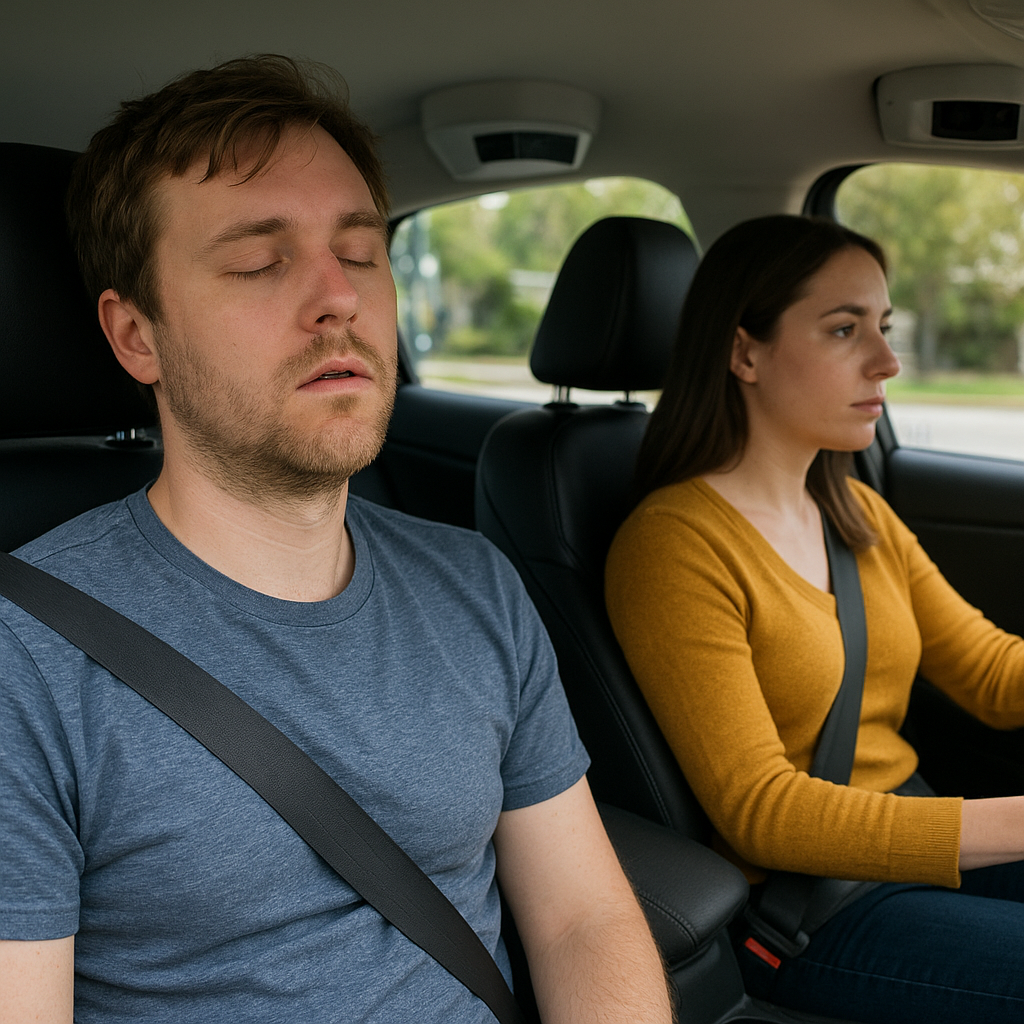
- Riders are falling asleep in driverless robotaxis and waking up disoriented with no human present to reassure them, leading some to call 911 out of panic.
- The issue stems from removing normal human cues (a driver's voice, a nudge) that riders unconsciously rely on to feel safe and oriented.
- Robotaxi companies do offer in-app support and remote human operators, but riders in a groggy, disoriented state don't always think to use them.
No Driver, No Wake-Up Call
Here's the situation: you're tired, maybe a little tipsy after a night out, and you hop into a robotaxi to get home. In a normal cab or rideshare, if you nod off, the driver can glance back, shout your name, or give the seat a nudge when you arrive. In a robotaxi? There's nobody there. So riders are falling asleep, waking up disoriented in a parked car with no human in sight, and panicking hard enough to call 911.
It sounds almost funny until you picture it happening to you — jolting awake, unsure where you are, unsure if the car is even still moving, and no driver to ask. That confusion is exactly why emergency dispatchers are fielding these calls in cities where autonomous ride-hailing has scaled up.
Why This Keeps Happening
Robotaxis are still new enough that most riders haven't built the instincts that come naturally with human-driven rides. We're used to social cues — a driver clearing their throat, adjusting the radio, saying "we're here." Take that away and the whole experience becomes more isolating, especially late at night or after a few drinks. Add in the fact that some robotaxi interiors are quiet, climate-controlled, and comfortable (basically built for a nap), and you've got a recipe for riders drifting off without realizing there's no safety net if something feels off when they wake up.
This is part of a bigger pattern with autonomous vehicle rollouts: the tech itself might work fine, but human behavior around it hasn't caught up. Companies test routes, sensors, and edge cases for pedestrians and traffic — but waking up a groggy, possibly startled passenger alone in a stopped vehicle isn't exactly a problem self-driving software was built to solve.
What Robotaxi Companies Are Doing About It
Most robotaxi services do have some way to reach a live human — an in-app support button, a car speaker connected to remote operators, or emergency contact features. But in the disorientation of waking up from sleep, riders aren't always thinking clearly enough to find that button. They default to what they know: call 911.
Expect operators to lean harder into onboarding here — think louder in-app alerts, gentle chimes when the car arrives, or even automated voice check-ins ("You've arrived, everything okay?") before a ride officially ends.
The Bigger Picture
This is a small but telling example of what happens when you remove humans from an experience built entirely around human trust. The tech can be flawless and the experience can still feel unsettling. As robotaxis expand into more cities, these kinds of quirks — not crashes, not software bugs — may end up shaping public comfort with the technology just as much as safety stats do.
Why it matters
As robotaxis expand to more cities, these everyday, human-behavior quirks — not just crashes or software glitches — will shape how comfortable people actually feel using them. If you're considering a robotaxi ride, especially late at night, it's worth knowing how to reach a real person before you doze off.
Want deals on what you love?
Val finds local offers matched to your interests — free to start.
Meet Val