COP31 Ends in Disaster: Super El Niño Couldn't Force Climate Action
gizmodo · November 22, 2026
Key takeaways
- COP31 ended with weak, non-binding commitments despite a Super El Niño intensifying global climate extremes in real time.
- This continues a recurring pattern at UN climate summits where consensus-based negotiation waters down ambitious targets.
- The outcome likely means continued gaps between pledged emissions cuts and what scientists say is necessary, shifting pressure to local and corporate action.
What Happened
COP31 just wrapped, and by most accounts, it's a letdown. Even with a Super El Niño fueling record heat, wild weather swings, and mounting pressure for bold climate commitments, negotiators left the summit without the kind of binding, aggressive action scientists have been begging for. The headline says it all: disaster. Not in the sense of a dramatic walkout, but in the quieter, more frustrating way that these summits keep failing to match urgency with action.
Why a Super El Niño Should Have Changed Everything
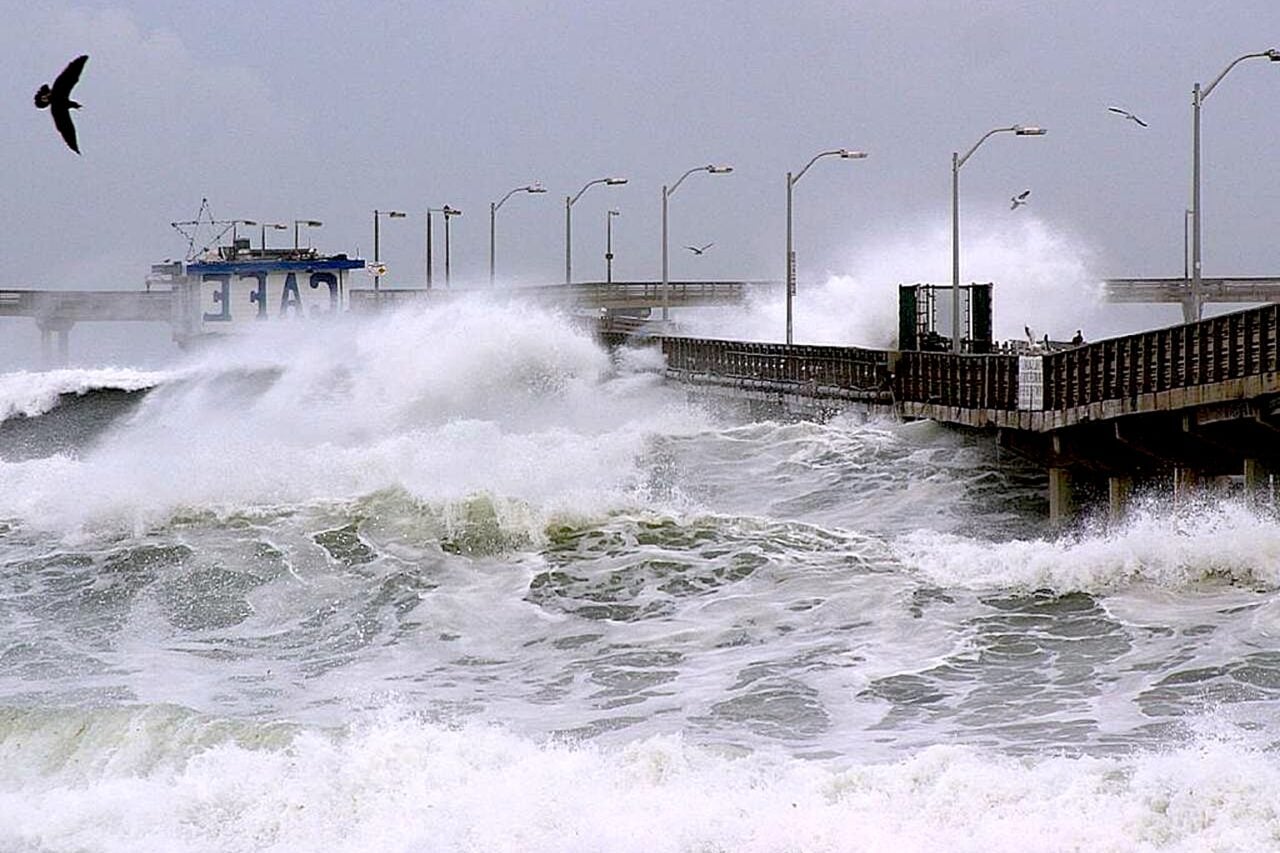
El Niño events naturally warm global temperatures by shifting ocean currents in the Pacific, and a "super" El Niño supercharges that effect — think intensified droughts, stronger storms, and temperature records falling left and right. These events have historically been used as real-world proof of what unchecked warming looks like. The thinking going into COP31 was that this kind of visible, immediate climate stress would finally push governments past symbolic pledges and into real enforceable targets. That didn't happen.
The Pattern Nobody Wants to Admit
This isn't the first COP to end with more disappointment than resolution. Past summits have produced headline-grabbing agreements that later turn out to be light on enforcement, funding, or timelines. Critics have long pointed out the structural problem: COP negotiations require consensus among nearly 200 countries with wildly different economic interests, energy dependencies, and political pressures back home. Add an election cycle, an energy crisis, or a recession anywhere in the mix, and ambitious climate language tends to get watered down fast.
What This Means Going Forward
The practical fallout is that global emissions reduction targets likely remain unchanged or only marginally adjusted, leaving the gap between pledged action and what scientists say is needed to stay under key warming thresholds. For everyday people, that translates to more of what we're already seeing: hotter summers, more intense storms, disrupted agriculture, and higher insurance and energy costs in vulnerable regions. It also means the burden of pushing for change shifts even more heavily onto corporations, local governments, and individual consumer choices, since international consensus keeps stalling.
What To Watch Next
Keep an eye on individual country responses in the weeks following COP31 — sometimes nations make unilateral moves after a summit disappoints, either doubling down on domestic climate policy or using the failure as cover to deprioritize it. Also watch how climate finance pledges (money promised to vulnerable nations) actually materialize, since that's historically where commitments fall apart fastest. The next big marker will be whether this Super El Niño's damage shows up as hard evidence next year's negotiators can't ignore.
Why it matters
If you care about extreme weather, energy prices, or long-term climate stability, these summits directly shape the policy backdrop you're living in. A failed COP31 means slower movement on the global stage, which puts more weight on local policy, business decisions, and personal choices to fill the gap.
Want deals on what you love?
Val finds local offers matched to your interests — free to start.
Meet Val