What a Democratic Congress Could Mean for Trump's Final Two Years
ABC News · November 4, 2026
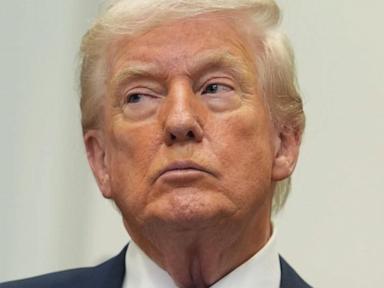
Key takeaways
- Democrats won back Congress in the midterms, with the Iran war cited as a major factor driving voter frustration.
- Divided government means Trump's legislative agenda is largely stalled, while his executive and foreign policy powers remain intact.
- Expect a wave of congressional investigations and oversight hearings targeting the administration over the next two years.
The midterms are in, and the balance of power in Washington just shifted. With Democrats now holding Congress, Trump's final two years in office are about to look a lot different — less about pushing his own agenda through and a lot more about playing defense.
Why Democrats Won This Round ABC's Jon Karl and Martha Raddatz broke down the forces that shaped this election, and one name kept coming up: Iran. The ongoing fallout from the war there weighed heavily on voters, feeding into broader frustration with the administration's handling of foreign policy. Add that to the usual midterm dynamics — a sitting president's party almost always loses ground in Congress — and the result wasn't exactly shocking. But the scale and the timing matter.
What Divided Government Actually Means A Democratic Congress doesn't mean Trump is powerless. He still holds veto power, still controls foreign policy levers as commander in chief, and still has a federal bureaucracy built over the previous years. But it does mean his legislative wishlist is basically frozen. Any big-ticket item — tax changes, spending priorities, judicial nominations that need Senate buy-in — now has to go through a Congress that has every incentive to say no.
Investigations Are Coming History is a pretty reliable guide here. When Congress flips against a sitting president, committee gavels flip too, and subpoenas tend to follow. Expect House and Senate committees to ramp up oversight on everything from the Iran war decisions to administration spending. This is less about passing laws and more about building a public record — and potentially setting up battles that stretch into the next presidential race.
Foreign Policy Becomes the Battleground Since Congress can't easily touch most foreign policy decisions, that's likely where the sharpest fights play out rhetorically, even if legislatively Congress has limited tools. Watch for public hearings, resolutions, and funding fights tied to military action abroad as the main pressure points.
What Happens Next The next two years will likely be defined by stalemate on domestic policy, aggressive oversight from Capitol Hill, and a White House that leans even harder into executive action and foreign policy where it still holds the most control. It's not a shutdown of government, but it is a very different gear than the first years of the term.
For anyone trying to track what actually gets done in Washington between now and the next presidential election, the next few months of committee assignments and early hearing announcements will tell you a lot about where this fight is headed.
Why it matters
A divided Congress reshapes what's actually possible in Washington for the rest of Trump's term, from stalled legislation to a likely surge in investigations. For anyone following politics, policy, or the 2028 race, this shift sets the stage for how the next two years play out.
Want deals on what you love?
Val finds local offers matched to your interests — free to start.
Meet Val