Trump Holds Off Iran Strikes, Weighs Diplomacy Amid Hormuz Standoff
ABC News · July 27, 2026
Key takeaways
- Trump is reportedly holding off on further strikes against Iran to pursue a diplomatic resolution over the Strait of Hormuz.
- The US is simultaneously stockpiling munitions in case negotiations collapse and military action resumes.
- Saudi Arabia intercepted drones launched from Iraq targeting oil facilities, showing the conflict's growing regional reach.
What's Happening
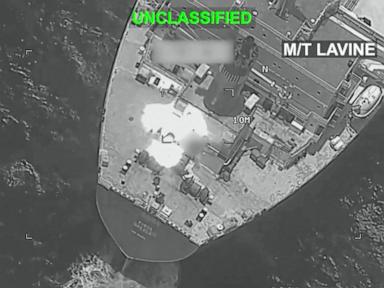
The US-Iran conflict just hit a pivotal moment. According to sources speaking with ABC News, President Trump is pumping the brakes on a major military escalation against Iran. Instead of ordering more strikes, he's reportedly weighing a return to diplomacy aimed at reopening the Strait of Hormuz — one of the world's most critical oil shipping routes — while also building up munitions stockpiles just in case talks fall apart.
This comes months after Trump announced major combat operations against Iran back in late February, when the US and Israel launched joint strikes on military, government, and infrastructure targets. Since then, both sides have kept trading strikes even as delegations tried to hammer out a war-ending deal based on a memorandum of understanding both countries signed back in June.
Why the Strait of Hormuz Matters
The Strait of Hormuz isn't just a random waterway — it's the chokepoint through which roughly a fifth of the world's oil supply passes. Keeping it open (or closed) has massive implications for global energy prices and economic stability. That's exactly why it's become the central flashpoint in this standoff. Whoever controls access there holds serious leverage.
The Regional Ripple Effects
This isn't staying contained to the US and Iran. Saudi Arabia's Ministry of Defense just announced it intercepted a wave of drones launched from Iraqi territory, targeting oil facilities near Riyadh and in the country's east. That's a clear sign the conflict is spilling into a wider regional proxy fight, with Iran-aligned forces striking at US allies in the Gulf.
What Happens Next
Sources say Trump's team is essentially hedging its bets — pursuing a diplomatic off-ramp while simultaneously preparing for the possibility that talks collapse and a bigger military response becomes necessary. It's a wait-and-see posture, but a fragile one. Any new attack on oil infrastructure, tanker traffic, or US assets in the region could flip the script fast.
The Bottom Line
For now, cooler heads appear to be trying to prevail in Washington, but the situation remains combustible. With drone strikes hitting Saudi soil and both sides still exchanging fire near Hormuz, the diplomatic window could close as quickly as it opened. This is a story worth watching closely — both for its human stakes and its potential to shake global oil markets overnight.
Why it matters
The Strait of Hormuz is a critical global oil chokepoint, so any escalation or de-escalation here can directly impact gas prices and markets worldwide. This standoff also signals how close — or far — the US and Iran are from a broader regional war.
Want deals on what you love?
Val finds local offers matched to your interests — free to start.
Meet Val