Trump Ties Saudi Nuclear Deal to Israel Recognition via Abraham Accords
naharnet · July 24, 2026
Key takeaways
- Trump says the U.S.-Saudi civilian nuclear deal is contingent on Saudi Arabia joining the Abraham Accords and recognizing Israel.
- The agreement reportedly bars uranium enrichment, though experts worry it lacks concrete guardrails to enforce that.
- Saudi recognition of Israel has been Trump's long-sought goal since the Abraham Accords began in 2020, but Riyadh has yet to commit.
What Trump Actually Said
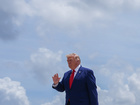
President Trump dropped a big conditional on Thursday: Saudi Arabia can have its civilian nuclear program, but only if the kingdom joins the Abraham Accords and formally recognizes Israel. He posted about it directly, making clear the deal will be approved but is "totally subject to" that diplomatic move happening first.
He also addressed a major sticking point nonproliferation experts have been raising alarms about: uranium enrichment. Trump stated the U.S. is fine with civil nuclear facilities, but the agreement does not allow Saudi Arabia to enrich uranium — a key safeguard against the kind of nuclear ambiguity that's fueled tension with countries like Iran for decades.
Why This Isn't Actually New
Here's the thing — Trump has been floating this exact linkage for years, basically since the Abraham Accords launched back in 2020 under his first term. Those accords got the UAE, Bahrain, Morocco, and Sudan to normalize relations with Israel, a genuinely historic shift in Middle East diplomacy. Saudi Arabia, the region's most influential player, has always been the biggest prize — and the one that never signed on.
So this latest statement isn't a new policy so much as Trump restating his long-standing leverage play: nuclear cooperation as the carrot to get Riyadh to finally recognize Israel.
The Nonproliferation Concern
While Trump insists enrichment is off the table, arms control experts have pointed out the deal reportedly lacks explicit guardrails written into it to actually enforce that. That's a meaningful gap — "we said no enrichment" and "we built in verification mechanisms to prevent enrichment" are very different things when it comes to nuclear material. Saudi Arabia has previously signaled interest in enrichment capability of its own, partly as a hedge against Iran's program.
What Happens Next
Saudi Arabia hasn't recognized Israel, and doing so remains politically sensitive for Riyadh, especially amid ongoing regional tension tied to the Israel-Gaza conflict. Whether Saudi Crown Prince Mohammed bin Salman is willing to make that move — even with a civilian nuclear program as the incentive — is still an open question. This story is really about whether Trump's decade-long push to expand the Abraham Accords can land its biggest domino yet.
Why it matters
This linkage could reshape Middle East diplomacy if Saudi Arabia agrees, potentially unlocking a wave of regional normalization with Israel. It also raises nuclear security stakes in a region already on edge over Iran's program.
Want deals on what you love?
Val finds local offers matched to your interests — free to start.
Meet Val