US-Congo Ebola Travel Restrictions Spark Aid Warnings
business · July 20, 2026
Key takeaways
- New US and Congo travel restrictions aim to contain what's being called the fastest-growing Ebola outbreak on record.
- Aid organizations warn the restrictions could slow humanitarian access, delaying vaccines, treatment, and contact tracing.
- Experts say restrictive border policies can also discourage transparent outbreak reporting from affected communities.
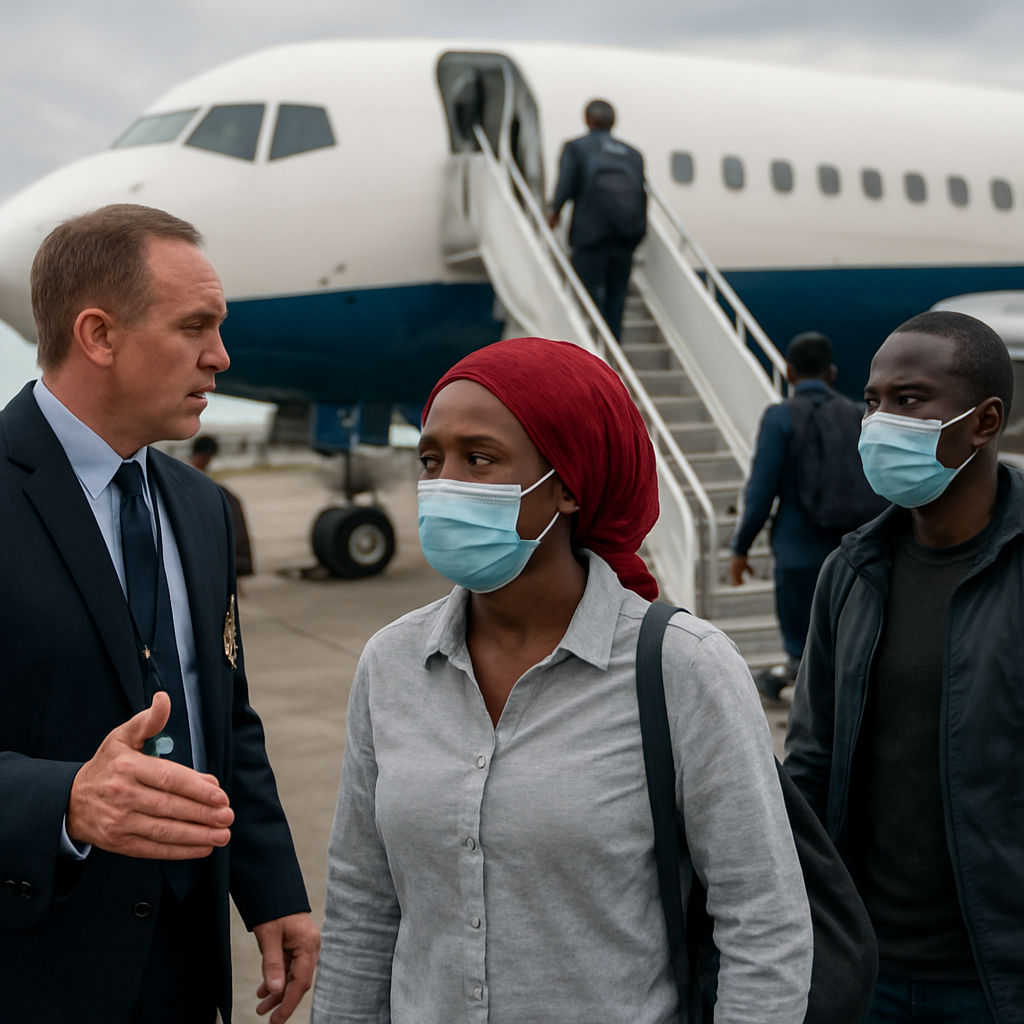
What's Happening The US and the Democratic Republic of Congo have rolled out new travel restrictions aimed at containing an Ebola outbreak that health officials are calling the fastest-growing in recorded history. The intent is straightforward: slow cross-border movement to keep the virus contained. But aid organizations and medical experts are pushing back hard, warning the restrictions could do more harm than good.
Why Aid Groups Are Worried Humanitarian responses to Ebola outbreaks depend on speed and access. Medical teams, supplies, and logistics staff need to move quickly across borders to set up treatment centers, run contact tracing, and deliver vaccines or therapeutics. When travel restrictions tighten, that machinery slows down. Aid workers have seen this pattern before — during past Ebola and Covid-19 responses, border closures and visa delays created bottlenecks that let outbreaks fester longer than they should have.
Experts also point to a secondary risk: fear-driven restrictions can push affected communities to hide symptoms or avoid official health checkpoints altogether, especially if people worry that seeking care will trap them behind a closed border or flag them for travel bans. That kind of behavior change makes contact tracing harder, not easier.
The Bigger Picture This tension isn't new. Governments face real pressure to protect their own populations, and travel restrictions are politically easy to implement — they show action. But the science on outbreak control consistently favors resourcing the response at its source: more health workers, more vaccine doses, more treatment centers in the outbreak zone, rather than restricting movement after the fact. The World Health Organization and groups like Doctors Without Borders have historically argued that overly broad travel bans can backfire by disincentivizing countries from reporting outbreaks transparently in the first place.
What to Watch Keep an eye on whether the US and Congo adjust these restrictions as outbreak data comes in, and whether international health bodies weigh in publicly. Also watch case counts — if the outbreak's growth rate doesn't slow in the coming weeks, that will fuel the argument that restrictions alone aren't the answer and that funding and access for aid groups need to scale up fast.
Bottom Line Travel restrictions feel like a natural response to a fast-spreading virus, but the people actually fighting the outbreak on the ground are warning that these measures could slow their work at the worst possible time. It's a reminder that outbreak response is as much about logistics and access as it is about policy.
Why it matters
Global health crises move fast, and how governments balance border control with humanitarian access shapes whether outbreaks get contained quickly or spiral. This story matters to anyone tracking public health policy, international aid, or global travel disruptions.
Source: Financial Post / Bloomberg
Want deals on what you love?
Val finds local offers matched to your interests — free to start.
Meet Val