USMCA Renewal Stalls: U.S. Opens New Trade Talks With Canada and Mexico
thenewamerican · July 15, 2026
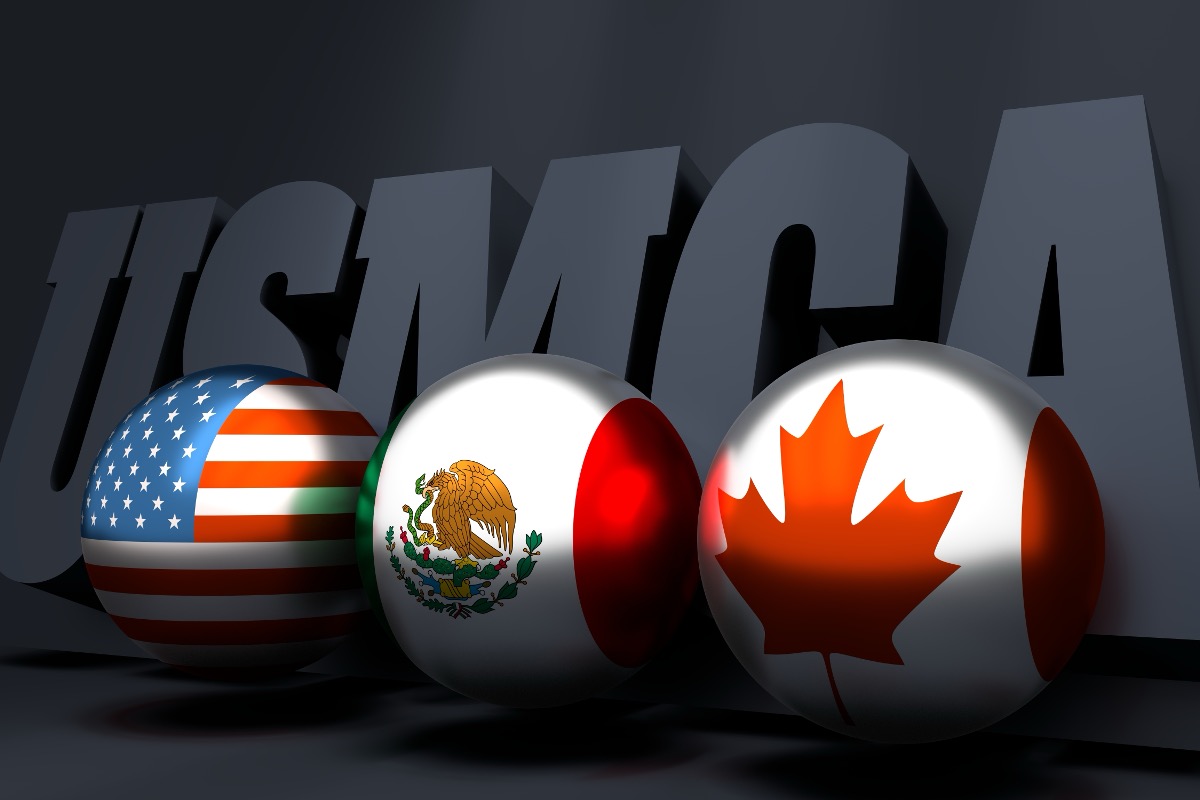
Key takeaways
- The U.S. declined to simply extend USMCA and is instead opening fresh negotiations with Canada and Mexico.
- The move stems from USMCA's built-in review clause, which allowed the U.S. to push for changes rather than automatic renewal.
- Industries like auto manufacturing and agriculture are likely to be most affected as talks unfold in the coming months.
The USMCA — the trade deal that replaced NAFTA back in 2020 — was built with a review clause, and that clock has now run out. Instead of simply extending the agreement as-is, the U.S. has opted to open fresh negotiations with Canada and Mexico. That means the current terms don't just roll over automatically, and all three countries are heading back to the table to hash out what comes next.
Why This Is Happening Now
USMCA was designed with a built-in six-year review, giving all three governments a scheduled checkpoint to decide whether the deal still works. Declining to extend it outright isn't the same as ripping it up — it's a signal that Washington wants changes before committing to another long stretch under the same rules. Trade deals this size touch everything from auto manufacturing to agriculture, so even modest tweaks can ripple through supply chains fast.
What's Actually at Stake
USMCA governs a massive share of North American trade — cars, car parts, dairy, produce, steel, and more move across these borders under its rules every single day. When negotiations open instead of a clean extension, businesses on all sides start bracing for potential changes to tariffs, content requirements, and market access rules. That uncertainty alone can affect investment decisions and pricing well before any new terms are finalized.
Who Feels It First
Manufacturers with supply chains that cross the U.S.-Canada-Mexico borders are usually the first to react, since they plan production months or years in advance. Auto companies in particular have leaned hard on USMCA's rules about where parts are sourced. Agriculture is another sector watching closely, since Canada and Mexico are two of the biggest markets for U.S. farm exports. If talks drag on or turn contentious, expect trade groups and industry lobbyists to get vocal fast.
What Happens Next
Negotiations like this typically move in phases: technical teams hash out details, trade representatives push political priorities, and eventually leaders sign off on whatever emerges. There's no guarantee of a quick resolution — trade renegotiations have historically taken months, sometimes longer, especially when there are disagreements over enforcement, labor standards, or specific industries like autos and dairy. Until a new deal or extension is finalized, the current USMCA framework generally stays in effect, but businesses can't count on stability long-term.
The Bottom Line
This isn't the end of USMCA, but it's not business as usual either. The decision not to extend signals the U.S. wants real changes, and that opens the door to weeks or months of back-and-forth with two of America's biggest trading partners. Anyone with a stake in cross-border trade — from factory floors to grocery store shelves — has a reason to watch how this plays out.
Why it matters
USMCA underpins a huge share of North American trade, so renegotiation could affect prices on everything from cars to groceries. If you work in manufacturing, agriculture, or any industry tied to cross-border trade, this is the kind of policy shift that eventually shows up in your paycheck or your grocery bill.
Want deals on what you love?
Val finds local offers matched to your interests — free to start.
Meet Val