Virginia DNA ID Links Woman's Remains to Second Murder, Same 4 Suspects
FOX News - Video · July 22, 2026
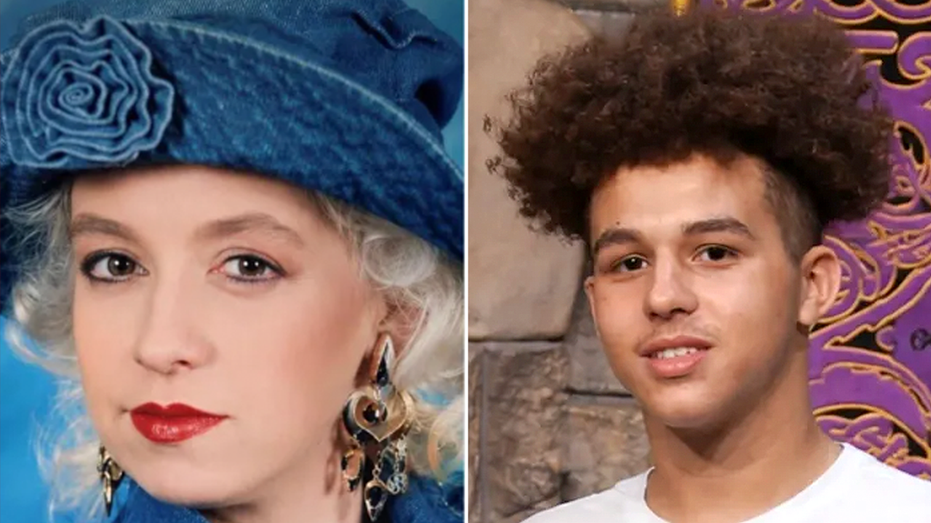
Key takeaways
- DNA testing identified human remains in Virginia as belonging to a woman, confirming a victim in an active investigation.
- The identification linked a second alleged murder to four suspects already connected to a related homicide case.
- Investigators are expected to build on this forensic evidence, potentially leading to new or expanded charges.
What Happened
Investigators in Virginia have used DNA analysis to identify human remains as belonging to a woman, and that identification has now tied a second alleged murder to four suspects already connected to a related case. Authorities leaned on forensic DNA matching to confirm the victim's identity after remains were discovered, a process that's become a cornerstone of cold-case and multi-victim investigations across the country.
While full case details continue to develop, the key update here is significant: what started as one alleged homicide involving four suspects has expanded into a second, connected killing. That's the kind of development that can reshape charges, bond conditions, and the overall scope of a criminal case almost overnight.
Why DNA Identification Matters in Cases Like This
DNA identification isn't just about naming a victim — it's often the thread that connects separate crime scenes, timelines, and suspects into a single narrative prosecutors can build a case around. When remains are found without immediate identifying information, DNA databases and familial matching can confirm identity even months or years after a disappearance.
In multi-suspect cases, that kind of forensic clarity can be the difference between isolated charges and a broader conspiracy case. If the same four individuals are now linked to two alleged murders, investigators will likely be revisiting evidence, witness statements, and timelines from the first case to see how the two crimes intersect.
What Happens Next
Expect additional court filings, possible new or amended charges against the four suspects, and continued forensic work as authorities try to establish a clear timeline connecting both alleged victims. Cases like this often unfold in phases — an initial arrest, followed by expanding charges as evidence (like DNA) comes back and reveals connections investigators suspected but couldn't yet prove.
For now, the update confirms what many following the case may have anticipated: this isn't an isolated incident, and the scope of the alleged crimes tied to these four suspects is broader than initially known.
The Bigger Picture
DNA technology continues to be one of the most powerful tools in modern criminal investigations, often reopening or reshaping cases long after initial findings. As forensic labs process evidence in this Virginia case, more details are expected to emerge about how the two alleged murders are connected and what that means for the prosecution moving forward.
Why it matters
This case highlights how forensic DNA evidence can uncover connections between crimes that weren't initially apparent, expanding the scope of criminal investigations. For readers following true crime and criminal justice developments, it's a reminder of how modern forensics continues to reshape prosecutions long after a crime occurs.
Want deals on what you love?
Val finds local offers matched to your interests — free to start.
Meet Val