Chase Elliott Defends NASCAR's New Chase Playoff Format Amid Garage Backlash
Essentially Sports · October 5, 2026
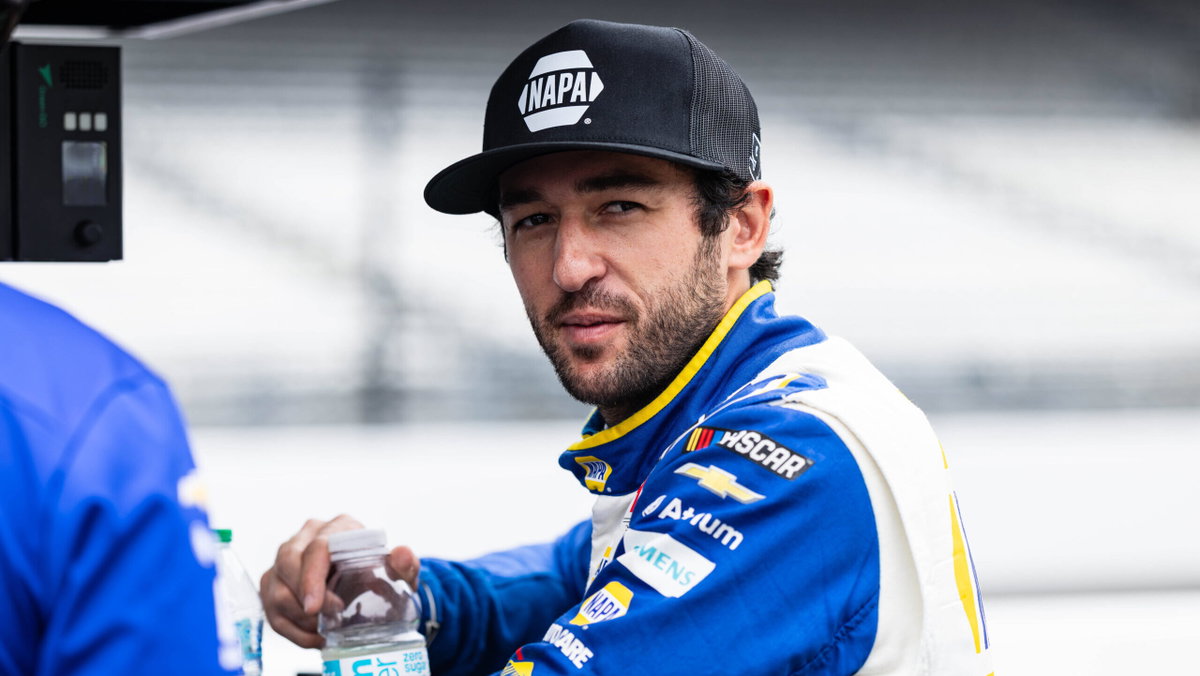
Key takeaways
- Chase Elliott publicly backed NASCAR's new Chase playoff format despite his own slow postseason start.
- Kyle Larson's Kansas dominance (76 points, the maximum possible) sparked garage debate over whether the format rewards consistency or hot streaks.
- Elliott argues the format's biggest win is forcing season-long effort, since playoff seeding is based on points earned all year.
What Happened Halfway through NASCAR's new Chase playoff format, the garage is split. Some drivers and fans say the win-and-you're-in system doesn't reward the right things. Chase Elliott isn't one of them. Despite a rough start to his own postseason, the Hendrick Motorsports driver spoke up in favor of the format heading into the Las Vegas race, calling it exactly what it was designed to be.
"I wouldn't say I'm surprised by any of it," Elliott said. "Honestly, I feel like it's working as it was intended to work. You have kind of a reset, with ten to go and good performance is rewarded like always, and I think you have a larger sample set to kind of let that come out in the wash."
Why the Skepticism The backlash isn't really about win-and-you're-in itself — most of the frustration stems from how dominant performances are swinging the standings in ways people didn't expect. The clearest example: Elliott's own teammate, Kyle Larson, bulldozed the field at Kansas and racked up 76 points, the maximum possible in a single race. That kind of run can reshuffle the entire Chase picture overnight, and it's got people in the garage questioning whether the format rewards consistency or just a handful of statement weekends.
Elliott's Case for the Format Elliott's defense centers on one thing: the 16-driver field is set based on points accumulated across the entire regular season, not just a hot stretch heading into the playoffs. That means every single race during the year actually counts toward getting into the Chase in the first place. Under the old format, teams could coast for stretches and turn it on only when the playoffs flipped on. Elliott argues the new system closes that loophole and forces real season-long effort before the postseason reset even begins.
The Bigger Picture This debate isn't just garage chatter — it's a referendum on how NASCAR wants its biggest moments decided. Larson's Kansas performance is the flashpoint because it shows how fast the math can shift once the ten-race gauntlet begins. Supporters like Elliott see that as the system working: dominant runs should matter. Critics worry it makes the whole stretch feel chaotic and less predictable than fans are used to. Either way, with Vegas marking the halfway point, every result from here forward carries outsized weight — and that tension is exactly what NASCAR built the format to create.
Why it matters
NASCAR fans are watching a real-time experiment in how playoff formats shape competition, and Elliott's comments give insight into how drivers inside the sport are reading the new rules. With the Chase only halfway done, how this debate resolves could influence whether NASCAR tweaks the format again for future seasons.
Want deals on what you love?
Val finds local offers matched to your interests — free to start.
Meet Val