ESPN's Subscriber Crash Puts Pat McAfee & Stephen A. Smith's Mega Deals Under the Microscope
Essentially Sports · November 20, 2026
Key takeaways
- ESPN and ESPN2 pay-TV subscribers dropped from about 61 million to 54 million in a single year, nearly half of the network's 2011 peak of over 100 million.
- The decline fuels criticism of ESPN's spending on top talent like Pat McAfee and Stephen A. Smith amid network-wide cuts.
- ESPN is pivoting to streaming through ESPN Unlimited and Disney+ to offset cable losses, though total streaming reach isn't captured in the subscriber drop figures.
ESPN's Cable Numbers Just Took a Hit
ESPN built an empire on cable subscriber fees, but that foundation is cracking fast. Disney's latest annual report shows ESPN and ESPN2 dropped from roughly 61 million pay-TV subscribers to about 54 million in just one year. Zoom out further and it's even uglier: at its 2011 peak, ESPN had north of 100 million subscribers. That's nearly half the network's reach gone in a little over a decade.
This isn't a one-year blip. It's the cord-cutting trend finally catching up to even the biggest player in sports media. For years, ESPN could lean on guaranteed carriage fees — reportedly charging providers around $9.42 per subscriber each month as of 2023 — regardless of who was actually tuning in. That cushion is shrinking along with the subscriber base.
Why Fans Are Pointing at the Talent
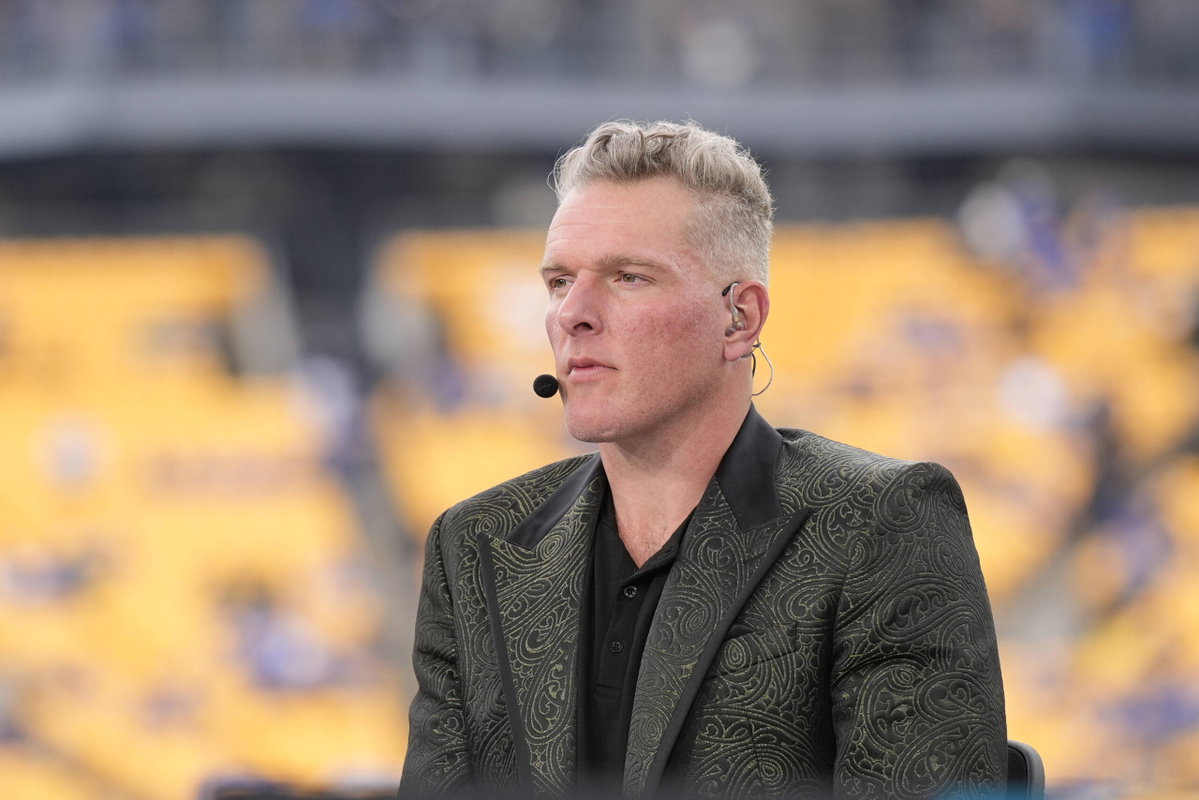
Here's where it gets personal for viewers. While ESPN has trimmed staff and tightened budgets elsewhere, two of its loudest, highest-paid voices — Pat McAfee and Stephen A. Smith — remain locked into blockbuster contracts. McAfee's deal has been reported in the tens of millions annually, and Smith's extension made him one of the highest-paid personalities in sports media history.
When a company is losing subscribers and cutting jobs, fans notice who's still getting paid like the good times never ended. It's not that McAfee or Smith caused the subscriber drop — that's a structural, industry-wide shift — but their contracts have become a lightning rod for criticism about ESPN's spending priorities during a financial squeeze.
ESPN's Plan B: Go Where the Viewers Already Are
ESPN isn't ignoring the problem. The network launched ESPN Unlimited, a standalone streaming option, and has pushed more content onto Disney+ to meet viewers where they actually watch now — on streaming, not cable boxes. The catch: the 54 million figure only counts traditional pay-TV subscribers, not the growing streaming audience, so the real picture of ESPN's total reach is more complicated than one headline number suggests.
The Bigger Picture
This is bigger than one network's quarterly report. It's a snapshot of the entire sports media business shifting beneath everyone's feet — bundles breaking apart, streaming becoming the default, and legacy TV money drying up. ESPN still has massive influence and some of the biggest names in sports talk working for it. But the math is getting harder, and fans are watching to see whether the network's spending habits — especially on star talent — match the reality of where its audience and revenue are actually heading.
Why it matters
If you watch sports media, this explains why your favorite shows keep shifting between cable, apps, and streaming bundles. It's also a window into how media companies decide who gets paid big money even as their core business shrinks.
Want deals on what you love?
Val finds local offers matched to your interests — free to start.
Meet Val