Jeremiyah Love Injury Reignites the RB Preseason Usage Debate
Yardbarker · August 17, 2026
Key takeaways
- Jeremiyah Love's injury has renewed scrutiny over why talented running backs still see meaningful preseason snaps
- Running backs face disproportionate injury risk compared to the actual evaluation value preseason reps provide
- Expect more teams to limit or eliminate preseason workloads for their top backs going forward
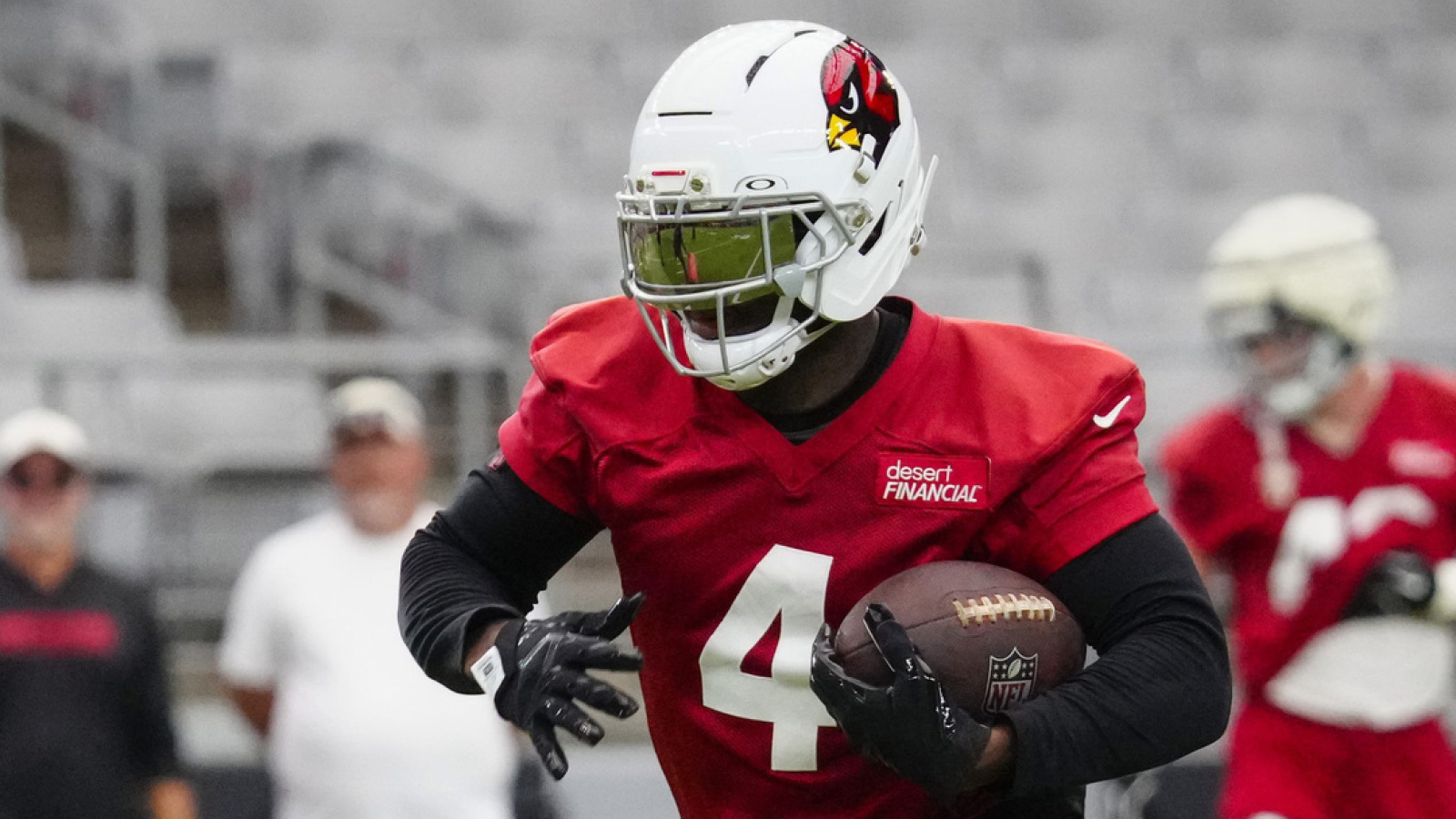
What Happened Jeremiyah Love, one of the most electrifying running back prospects in the country, went down with an injury that instantly became bigger than one player or one team. Whenever a talented back gets hurt in a low-stakes setting, it reopens a debate that never really goes away in football: why are running backs — the most injury-prone, most replaceable-by-committee position on the field — still logging meaningful reps before the games actually count?
Why RBs Are the Riskiest Preseason Bet Running backs take more high-impact hits per touch than almost any other position. They're gang-tackled, they cut against grain, they absorb hits from angles quarterbacks and receivers rarely see. Combine that with a running back's already short shelf life at the top level, and every preseason carry is a gamble with very little upside. A back doesn't need four preseason series to prove he can hit a hole — coaches already know what they have on tape from the season before.
The Love injury is the latest reminder that the math rarely favors playing your best backs in exhibition football. Teams get almost nothing in return: no meaningful game-planning insight, no real evaluation of scheme fit against opponents who are also holding back their starters, and no impact on final roster decisions that couldn't be made through practice reps alone.
What Teams Should Actually Do Differently Expect this to accelerate a trend that's already been building — teams increasingly treating preseason as evaluation time strictly for players on the roster bubble, not for established or clearly talented backs. Look for:
- More running backs getting shut down completely after one series or even zero preseason snaps
- Coaches leaning harder on joint practices instead of live-game reps to evaluate scheme fit
- General managers pushing harder in contract and depth chart conversations to protect their most valuable backfield assets before Week 1 even arrives
This isn't just a college or NFL problem — it's a running back problem, full stop, at every level where the position still gets used as a proving ground.
The Bigger Picture Running back value across football has already been trending down thanks to committee approaches, cheaper replacement-level production, and shorter career arcs. An unnecessary preseason injury to a genuinely talented player only strengthens the argument that teams should be treating star backs like they treat franchise quarterbacks: protect them until it matters. Love's situation is a costly, avoidable case study that front offices, coaches, and college programs alike should be studying closely before their own next training camp.
Why it matters
If you follow fantasy football, NFL rosters, or college draft prospects, running back health directly affects team value, depth charts, and season-long outlooks. This incident could reshape how coaches manage workloads for star backs before games that actually count.
Want deals on what you love?
Val finds local offers matched to your interests — free to start.
Meet Val