NASCAR Vows to Fix Fuel-Saving Chaos After Talladega Stage One Debacle
Essentially Sports · October 29, 2026
Key takeaways
- Drivers ran at roughly 25% throttle for long stretches of Stage One at Talladega purely to save fuel, nearly triggering mass black-flagging for running below minimum speed.
- The problem stems from NASCAR moving the longer stage to the front of races earlier this season, which shifted fuel-saving strategy games to Stage One instead of fixing them.
- Cup Series managing director Brad Moran calls fixing the format "project number one" for the off-season, though no in-season fix is possible under 2026's current rules.
What Happened at Talladega
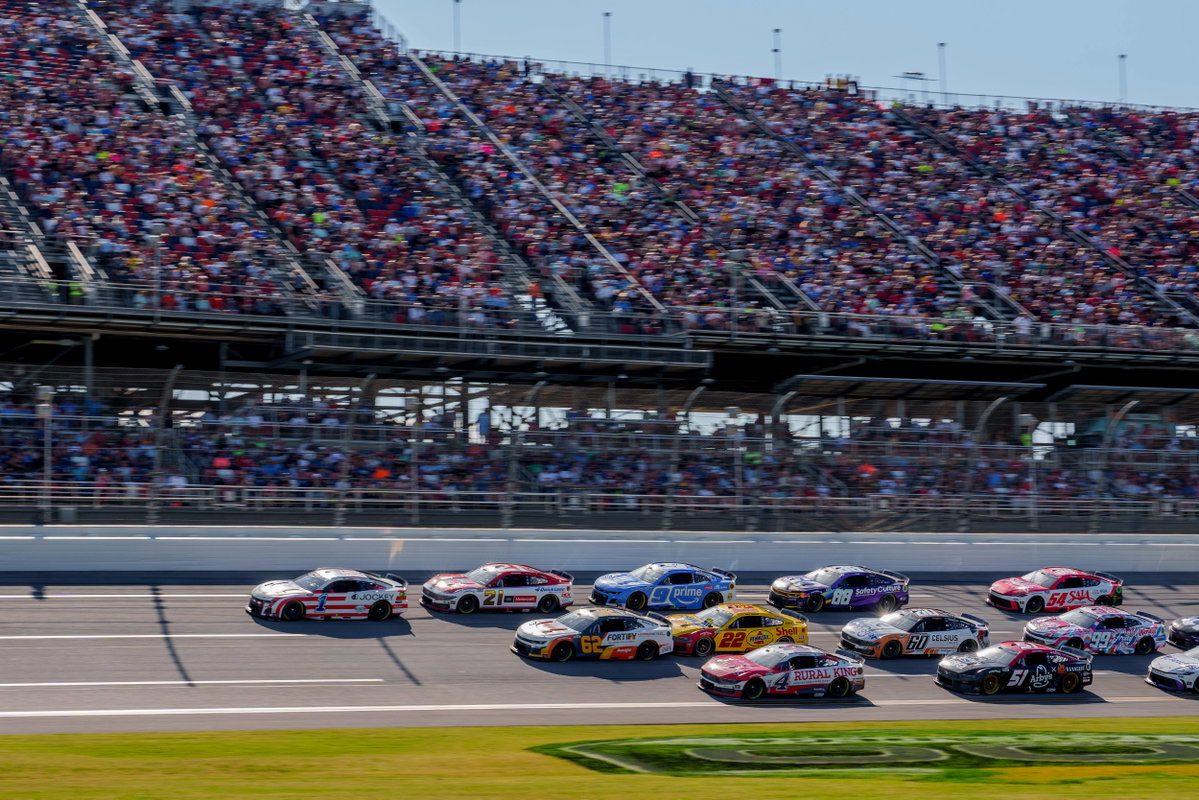
The 2026 YellaWood 500 turned into a strategy session instead of a race. For long stretches of Stage One, drivers ran on roughly 25% throttle, coasting instead of competing, all in the name of saving fuel. It got so bad that NASCAR officials reportedly considered black-flagging up to 75% of the field for dipping below the minimum speed requirement. Add in confusion over who actually crossed the yellow line, and you've got a race weekend that left fans and drivers alike frustrated.
This wasn't a one-off glitch, either. It's becoming a pattern tied directly to how NASCAR restructured its stage format this season.
Why This Keeps Happening
Earlier in the year, NASCAR moved the longer stage to the front of the race instead of the back, hoping to avoid exactly this kind of fuel-mileage chess match later in events. Instead, it just shifted the problem to Stage One. With modern car engineering now dialed in so precisely around fuel efficiency, teams realized they could game long green-flag runs by backing off the gas and conserving instead of racing. Smart engineering, bad optics.
NASCAR's Response
Cup Series managing director Brad Moran didn't dodge the issue. In a recent segment, he was blunt about the root cause: strategy, fuel mileage, and the "one can" rule colliding with how sophisticated these race cars have gotten. His exact words: "There's so much engineering in the sport now, which has made some great improvements, but there's some downsides to it. This would be one of them."
Moran confirmed there's no quick fix available under 2026's current rule set, but he's treating it as the top priority heading into the off-season. He said NASCAR and "the entire industry" are committing serious time to studying different strategies and formats before next season starts, with the explicit goal of eliminating the incentive to coast through entire stages.
What Comes Next
Don't expect an in-season patch. This is an off-season reconstruction project. NASCAR will likely explore options like adjusting stage lengths again, tweaking fuel-window math, or changing how stage points and cautions interact with green-flag pit strategy. The goal is simple: make racing hard, not make math easy.
For fans, this is a reminder that the sport's biggest controversies in 2026 haven't been about crashes or late-race drama, they've been about rules engineering outpacing the on-track product. Moran's comments suggest NASCAR knows it, and knows fixing it is non-negotiable before the green flag drops on next season.
Why it matters
If you watch NASCAR for competitive racing and not strategic coasting, this directly affects the product you're tuning in for. NASCAR openly admitting the format needs an overhaul signals real rule changes are coming for 2027.
Want deals on what you love?
Val finds local offers matched to your interests — free to start.
Meet Val