Steve Kerr Explains Why He Rests Stephen Curry — And It's Not About His Legs
Essentially Sports · September 15, 2026
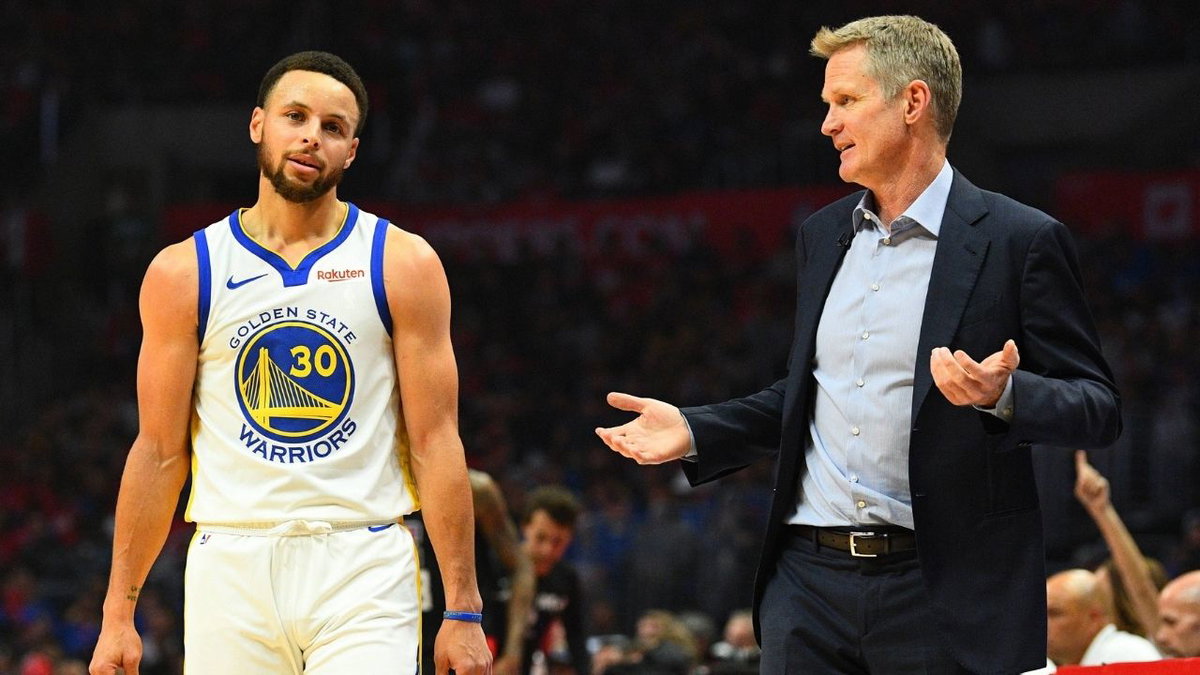
Key takeaways
- Steve Kerr says Stephen Curry's rest days are driven by emotional fatigue, not physical minutes played
- Kerr points to turnovers, not tired legs, as the real sign Curry needs a break
- The comments reflect how Golden State is managing its aging core through the long grind of an NBA season
The Load Nobody Tracks
Every box score tracks minutes played, shots taken, miles run. Nothing tracks how drained a superstar feels after being the emotional center of an entire franchise for a decade. That's the gap Steve Kerr is trying to close when he sits Stephen Curry on certain back-to-backs — and it's earning him more criticism than he probably expected.
Speaking on the Tom Tolbert Show, Kerr got pushed on the idea that NBA players are pampered, that a few juice boxes and orange slices should be enough to get anyone through a second game in two nights. Kerr didn't take the bait. Instead, he laid out something more specific: Curry's rest days aren't about physical recovery. They're about what Kerr called an "emotional reset."
Why Curry's Fatigue Looks Different
Kerr's explanation is worth sitting with. He compared it to a baseball player getting a scheduled day off — not because his body can't handle another game, but because the mental demand of the role requires a break. For Curry specifically, Kerr says the tell isn't sluggish legs or missed jumpers. It's turnovers.
"When he gets tired, it's like an emotional fatigue, and he starts to turn the ball over left and right," Kerr said. "That's not the minutes... he's fried emotionally."
That's a notable admission from a head coach. Curry isn't just Golden State's best shooter — he's the engine that has to create offense against constant defensive attention, night after night, for a team that still leans on him as heavily as it did during the dynasty years. Kerr openly admitted the reasoning "may sound soft," acknowledging the criticism head-on rather than dodging it.
The Bigger Picture for an Aging Core
This isn't just a one-off explanation — it's a window into how Kerr is managing a Warriors roster built around aging stars entering the twilight of their primes. Curry is well past the point where the franchise can afford to burn him out over the marathon of an 82-game season, especially with the playoffs as the only goal that actually matters.
Managing emotional bandwidth, not just physical exertion, is a newer conversation in sports load management, but it's becoming a bigger part of how coaches talk about star player health. Kerr's comments suggest the Warriors are treating Curry's mental and competitive intensity as a resource that needs protecting just as much as his hamstrings or his shooting shoulder.
For fans expecting Curry to play every game he's cleared for, this framing is going to keep generating debate. But if Kerr's read is right, a rested, emotionally sharp Curry in April and May is worth far more to Golden State than a gutted-out appearance in a random November back-to-back.
Why it matters
For fans following the Warriors, this explains why Curry sits on nights he looks physically fine — and signals how load management is evolving beyond just counting minutes. It's a preview of how Golden State plans to keep its aging core sharp for a real playoff push.
Want deals on what you love?
Val finds local offers matched to your interests — free to start.
Meet Val