Trump's Texas-Tennessee Visit Sparked a Sideline Communication Scramble
Essentially Sports · September 26, 2026
Key takeaways
- Texas and Tennessee cleared radio frequencies with the Secret Service ahead of Trump's stadium visit but still built backup signaling in case coach-to-player comms failed.
- ABC's live broadcast suffered real audio interference early in the game, validating the pre-game concerns about electromagnetic interference.
- The Secret Service confirmed 'electromagnetic deconfliction' is standard at major events with high-profile attendees, showing how VIP security can directly affect game operations.
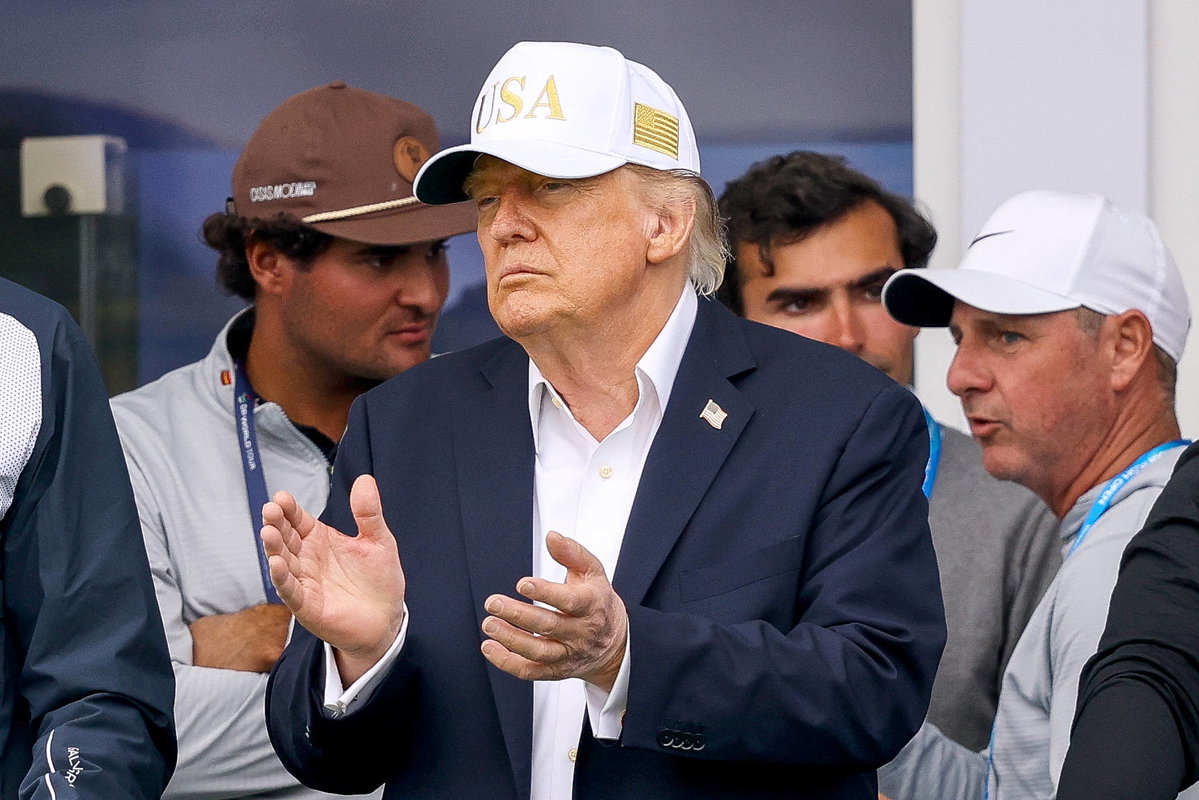
What Actually Happened When President Trump showed up for the Texas-Tennessee Week 4 showdown, it wasn't just extra security and early gate openings that changed the gameday plan. The Secret Service's presence raised real concerns about radio frequency interference — specifically whether coach-to-player headset communication would survive the added electromagnetic activity that comes with protecting a sitting president.
ESPN's Laura Rutledge reported that both programs had already gotten ahead of it. Texas and Tennessee coordinated directly with the Secret Service to clear their radio frequencies in advance, and coach-to-coach comms were expected to hold up fine. The bigger question mark was coach-to-player communication, the headset system that relays play calls in real time. Both teams built backup signaling plans specifically in case those systems dropped mid-game.
Why the Concern Was Legit The Secret Service wouldn't officially confirm interference risks, but did acknowledge that events like this always involve "electromagnetic deconfliction" — basically, managing which devices get to use which frequencies so nothing important gets jammed. When a president's security detail rolls into a stadium, the sheer volume of secure communications equipment can crowd out normal broadcast and team frequencies.
That risk wasn't just theoretical. Sideline prep aside, the broadcast itself hit turbulence. ABC's live feed suffered an audio breakdown early in the game, with static and crackling cutting into the call from Chris Fowler and Kirk Herbstreit. At one point Fowler had to ask Herbstreit to stay quiet while the production crew sorted out the issue, a clear sign the interference concerns weren't overblown.
The Bigger Picture This is a scenario college football rarely deals with: a presidential visit colliding with live game-day logistics on national TV. Teams train relentlessly for opponent scouting and situational football, but rarely for radio frequency chaos caused by Secret Service protocol. The fact that both programs had contingency signaling ready shows how seriously athletic departments now treat these high-security appearances, especially with high-profile guests becoming more common at marquee matchups.
What to Watch Going Forward Expect this to become a bigger talking point as more high-security VIPs attend major sporting events. Programs may start building interference contingency plans into standard gameday prep rather than treating it as a one-off. And broadcasters, having felt the static in real time, will likely push for better frequency coordination before the next big-name visit rolls around.
Why it matters
This shows how presidential-level security can quietly reshape gameday logistics, from radio frequencies to broadcast quality, even when fans never see the backstage scramble. It's a preview of what other programs may face as high-profile political and celebrity attendance at sporting events becomes more routine.
Want deals on what you love?
Val finds local offers matched to your interests — free to start.
Meet Val