Tom Pidcock Leads Peloton Protest Over Cycling Safety Failures
Essentially Sports · October 11, 2026
Key takeaways
- Tom Pidcock's teammates Thomas Gloag and Marcel Camprub were hit by a police motorcycle traveling the wrong way during Tre Valli Varesine.
- The incident followed the death of 19-year-old cyclist Finlay Tarling in a vehicle collision at the Volta a Portugal weeks earlier.
- Riders staged a five-minute protest before Il Lombardia, demanding the UCI and race organizers take concrete safety action.
A Protest Five Minutes in the Making
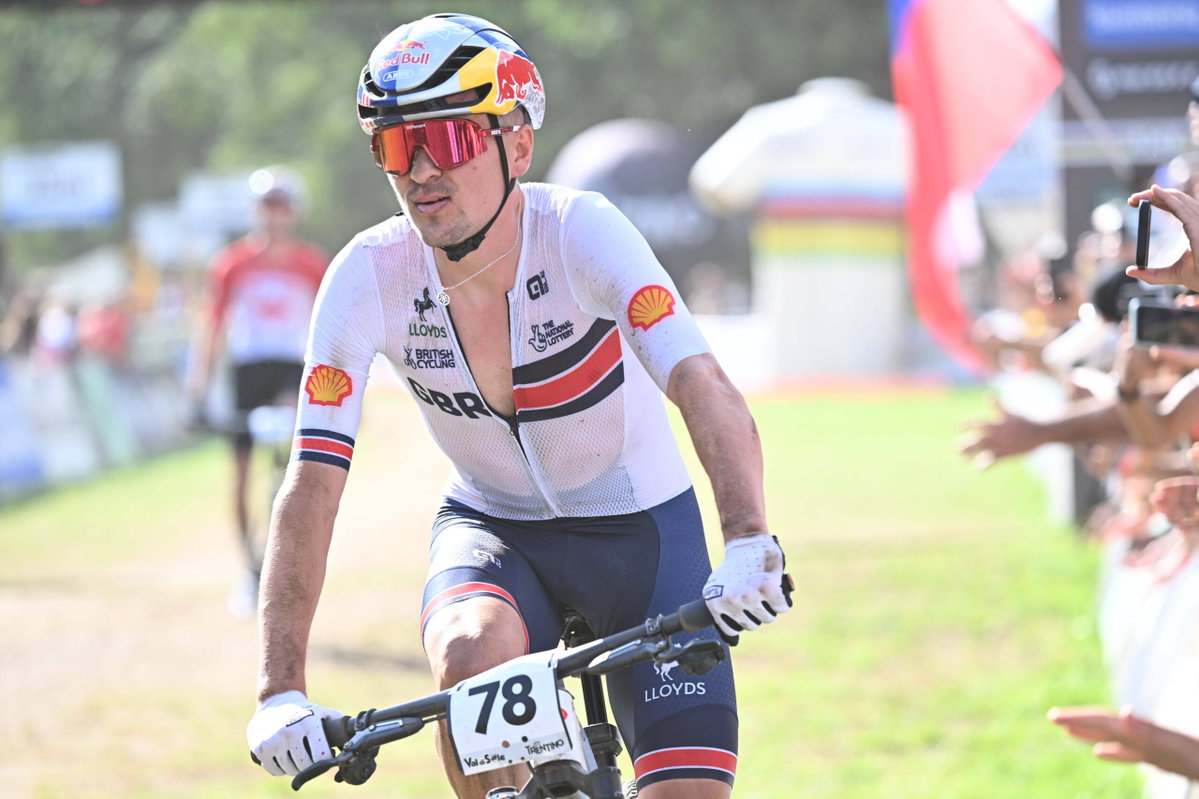
Tom Pidcock isn't the type to stage a demonstration for attention. But after watching two of his own Pinarello Q36.5 teammates get hit by a police motorcycle during Tre Valli Varesine, the two-time Olympic champion decided silence wasn't an option anymore.
Thomas Gloag and Marcel Camprub were riding when a police motorcycle traveling the wrong direction on the course slammed into them. Camprub shook it off and kept racing. Gloag wasn't as lucky — he abandoned the race and needed stitches in his knee. It's the kind of near-miss that could've been a headline for a much worse reason.
Why This Moment Hit Different
This wasn't an isolated scare, and that's exactly the problem. Just weeks earlier, 19-year-old British rider Finlay Tarling died after colliding with a vehicle during the Volta a Portugal. That tragedy was still raw when Pidcock's teammates got hit, and it turned frustration into fury across the peloton.
At Il Lombardia — the final Monument of the cycling season — riders didn't just grumble in interviews. They staged a five-minute protest before the race even started, standing united and demanding the UCI and race organizers stop treating vehicle safety as an afterthought.
Pidcock Gets Personal
Pidcock admitted his gut reaction to seeing his teammates hit was to consider walking away from racing altogether. That's not a throwaway comment from someone chasing headlines — it's a two-time Olympic champion saying the sport he's built his life around put people he cares about in danger, and it could've been so much worse.
"As riders, we stand united against the unnecessary risk our lives are being subjected to," Pidcock wrote, making clear this isn't about one race or one bad moment. It's about a pattern.
What Needs to Change
Professional cycling courses rely on a complex web of motorcycles, cars, and support vehicles moving alongside riders at high speeds — photographers, officials, medics, police escorts. When that system fails, as it did with the motorcycle traveling against race direction, the consequences fall entirely on the athletes with zero protection beyond a helmet and spandex.
Riders aren't asking for sympathy statements after the fact. They want concrete protocol changes: better vehicle coordination, stricter enforcement of traffic direction on closed courses, and real consequences when safety failures put lives at risk.
The Bigger Picture
This protest puts real pressure on the UCI heading into next season. Pro cycling has long operated with vehicles weaving through the action as part of the sport's texture, but Tarling's death changed the calculus. Riders like Pidcock, with the platform and credibility to force the conversation, are now pushing cycling's governing bodies to treat rider safety as non-negotiable rather than an occasional talking point after something goes wrong.
Why it matters
This isn't just a cycling story — it's about whether a major global sport will finally fix a safety system that's already cost one young athlete his life. If you follow cycling or care about athlete safety in general, this protest could reshape how races are run for years to come.
Want deals on what you love?
Val finds local offers matched to your interests — free to start.
Meet Val