UNC Leads ACC Push to Change Protect College Sports Act Before House Vote
Essentially Sports · November 21, 2026
Key takeaways
- UNC led a five-week effort organizing Clemson, Florida State and Miami against realignment restrictions in the Protect College Sports Act.
- The contested provision, Section 205, would require a three-year independence period for schools leaving power conferences and cap conference size.
- Florida State and Clemson's 2025 ACC settlements made leaving easier — a federal restriction could undercut that leverage.
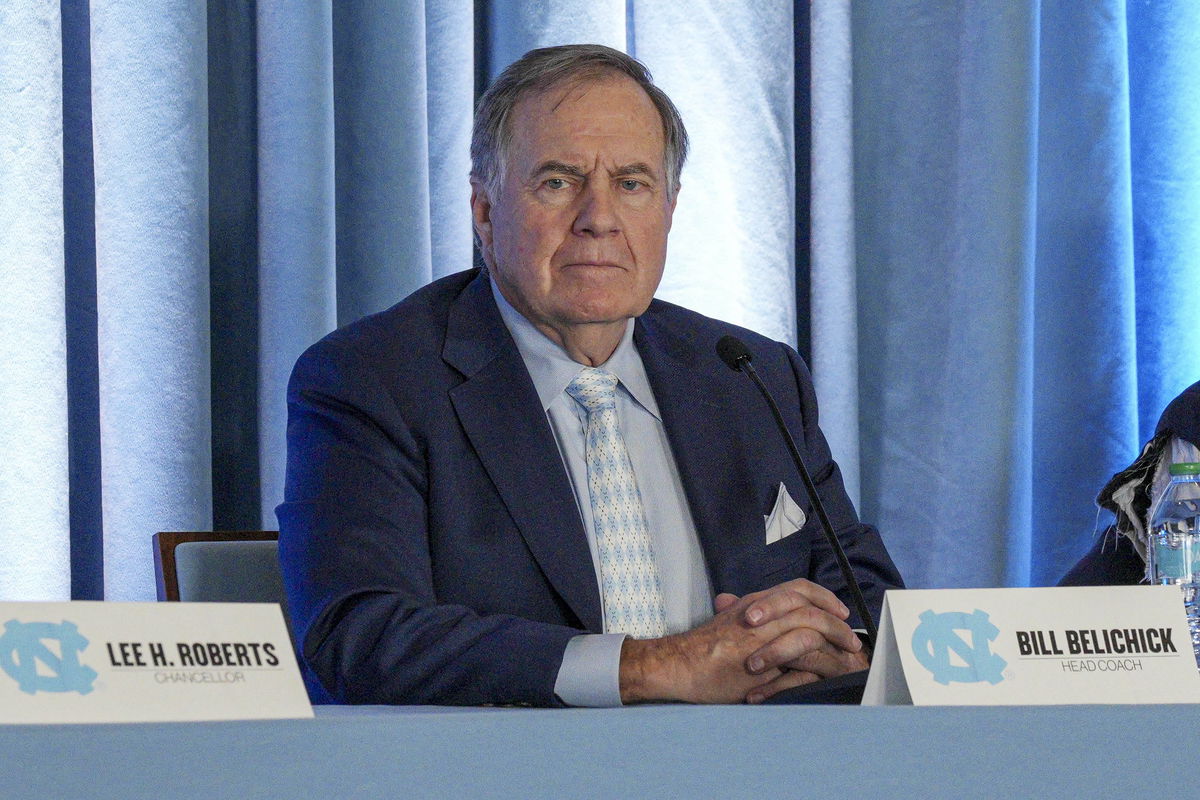
What Happened Before the House takes up the Protect College Sports Act in early December, it'll be reviewing a version with changes that four ACC schools fought hard to get in writing. Public records show the University of North Carolina — yes, Bill Belichick's school — quietly took the lead organizing Clemson, Florida State and Miami into a unified front against one specific provision: Section 205.
That section would've forced any school leaving a power conference to spend three years as an independent before joining another league. It also capped how large a power conference could grow, aimed squarely at stopping the Big Ten (18 members) and SEC (16) from ballooning into a de facto super league.
According to emails obtained through public records requests, UNC administrators spent roughly five weeks starting in late August coordinating this ACC bloc, and even floated bringing Stanford and UC Berkeley into the coalition.
Why UNC Took the Lead This isn't abstract policy wonkery for these schools — it's personal history. Florida State sued the ACC in 2023 and Clemson followed in 2024, both over exit fees and the conference's grip agreement. Those lawsuits settled in 2025 with terms that made leaving the ACC significantly easier. A mandatory three-year independence penalty baked into federal law would undo a lot of that leverage.
Internal UNC communications show the school's own staff tried to gauge who actually wanted the restrictive clause in there to begin with. On August 25, federal affairs assistant director Kelsey Mason told Chancellor Lee Roberts, athletic director Steve Newmark and general counsel Paul Newton that staff didn't believe Senator Maria Cantwell viewed the provision as essential to the bill — suggesting there might be room to negotiate it out.
The Bigger Picture The Protect College Sports Act is Congress's attempt to bring some federal order to the chaos of NIL, transfer portals and conference realignment. But as this episode shows, the schools most affected by realignment rules aren't sitting back — they're actively shaping the legislation meant to govern them.
For ACC programs specifically, any rule that locks them into years of independence before a conference switch threatens the very flexibility their recent lawsuits were designed to win. That's a direct conflict with what lawmakers drafting the bill are trying to prevent: a handful of mega-conferences hoovering up all the valuable programs.
What Happens Next The House is set to take up the revised bill in early December. Whether UNC's coalition succeeded in stripping or softening Section 205 will become clear once that version hits the floor. Given the stakes for every power-conference program watching conference realignment unfold, this is a fight worth tracking well past Belichick's sideline.
Why it matters
This fight determines how easily major programs can switch conferences going forward, directly shaping the future of college football's super-conference arms race. Fans of ACC schools — and Belichick-era UNC specifically — should watch this closely since it affects where their teams could end up playing.
Want deals on what you love?
Val finds local offers matched to your interests — free to start.
Meet Val